
China Tech & Economy — 2026-07-26
China's National Team deployed record tech ETF inflows this week to stabilize markets ahead of major listings, while the PBOC injected 500 billion yuan in liquidity to support growth. Foreign direct investment in tech surged 51.6% for green-tech exports (EVs, batteries, solar), and Beijing is planning a $30 billion tariff reduction with the US—signaling policy support even as GDP growth slows.
China Tech & Economy — 2026-07-26
Top Stories
China's National Team Launches Market "Tech Stock Put" Ahead of Major Listings
- What happened: Chinese regulators, state-backed investors, insurers, and asset managers have jointly moved to shore up the stock market with record inflows into tech ETFs. This coordinated effort represents one of the broadest rescue operations in years, designed to restore confidence after a significant tech selloff.
- Why it matters: The intervention signals serious concern about market stability and suggests large tech listings are imminent. It also demonstrates Beijing's commitment to preventing a broader equity decline that could drag economic sentiment lower.
- Key numbers: Record inflows into tech ETFs; state coordination across multiple agencies.
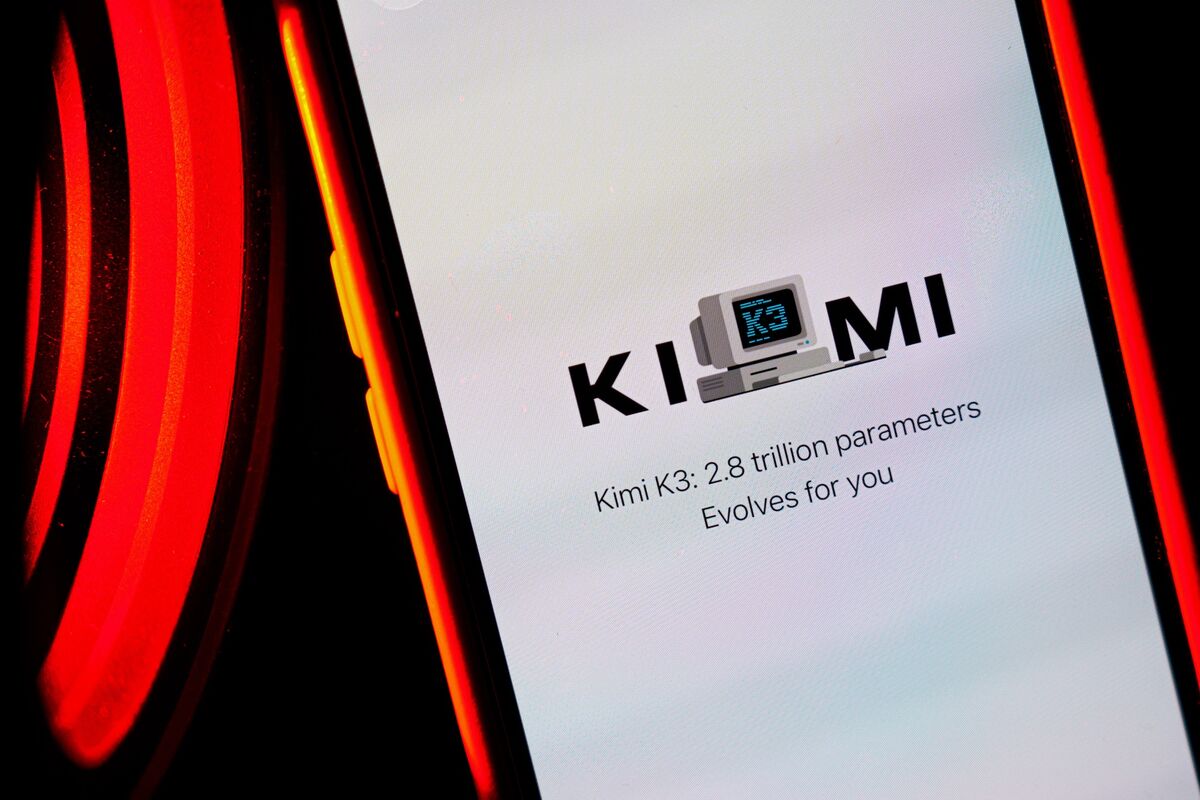
PBOC Injects 500 Billion Yuan to Support Economy Amid Growth Pressure
- What happened: The People's Bank of China announced a one-year Medium-Term Lending Facility (MLF) injection of 500 billion yuan ($73.8 billion) to boost liquidity in the banking system this month.
- Why it matters: This is the largest liquidity injection in five months, signaling PBOC concern about growth and flagging intent to ease credit conditions. It comes as GDP growth expectations continue to slip.
- Key numbers: 500 billion yuan ($73.8 billion) injected via MLF; largest in five months.
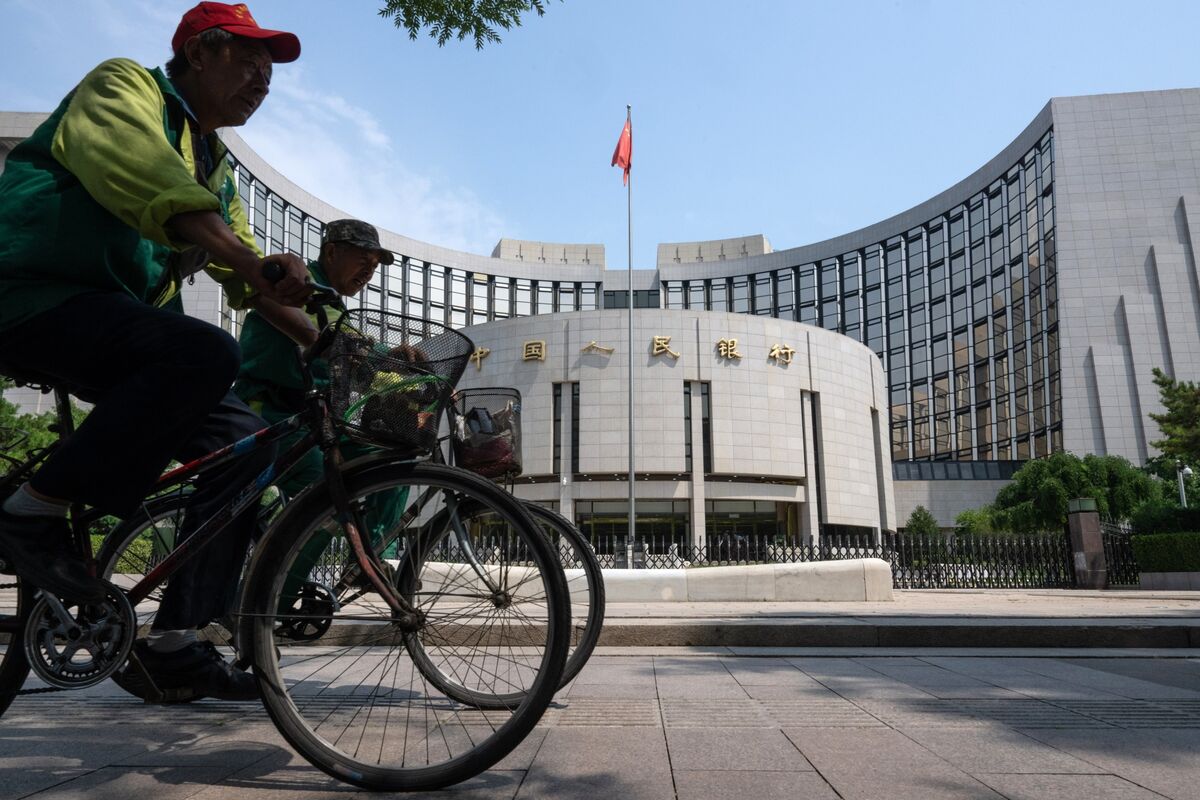
China-US Tariff Talks: Ministry of Commerce Seeks Public Input on $30 Billion Reduction Plan
- What happened: China and the US plan to reduce tariffs by $30 billion, with the Ministry of Commerce seeking public feedback on the proposal. This follows broader trade tensions and represents a significant easing gesture.
- Why it matters: A tariff reduction would ease near-term trade friction and provide some relief to Chinese exporters, particularly in tech and manufacturing. Public consultation suggests the plan is still in draft form but signals serious intent.
- Key numbers: $30 billion in planned tariff reductions; formal public input period underway.
AI Optimism Lifts Chinese Tech Stocks; Investor Sentiment Shifts Toward High-Tech
- What happened: Major Chinese mutual funds reduced exposure to traditional sectors (liquor, consumer staples) and rotated into technology stocks, driven by optimism that Chinese companies will benefit from global AI infrastructure investment.
- Why it matters: The rotation reflects a fundamental reappraisal of China's growth outlook—AI and semiconductors are now seen as the primary growth engines, not traditional sectors. This repositioning coincides with the National Team intervention.
- Key numbers: Significant fund flows from old economy to tech; AI boom as key catalyst.

Foreign Investment in China's Tech Sector Surges; Nearly 4,800 Companies Expand Presence
- What happened: Vice Minister of Commerce Yan Dong announced that nearly 4,800 foreign enterprises have ramped up investment in China during H1 2026, with high-tech sectors seeing particular momentum.
- Why it matters: Despite US-China tensions and supply-chain fragmentation concerns, foreign companies continue to bet on China's tech ecosystem. This contradicts narratives of wholesale decoupling and shows China remains an attractive destination for multinational R&D and manufacturing.
- Key numbers: 4,800+ foreign firms increasing capex; high-tech sector leading gains.
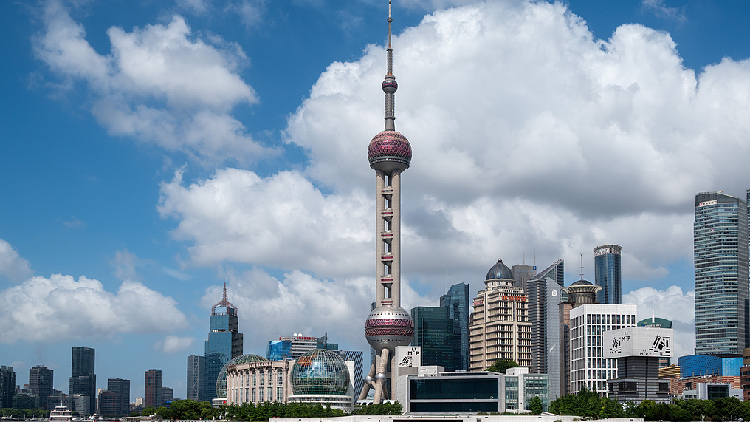
Tech & Innovation Spotlight
Green-Tech Exports Surge 51.6%; EV, Battery, and Solar Sales Hit $118.4 Billion in H1
- Update: China's first-half exports of electric vehicles, lithium batteries, and solar cells jumped 51.6% year-over-year to $118.4 billion, making green tech the economy's brightest export category and driving broader H1 trade growth.
- Context: While traditional exports face headwinds, EV makers and battery suppliers have become global leaders. This surge reflects both Chinese competitive dominance and global demand for the energy transition. Competitors (Tesla, LG Energy, Enphase) are being steadily squeezed in key markets.
- Numbers to know: $118.4B in H1 exports; 51.6% YoY growth; EV/battery sales leading all sectors.
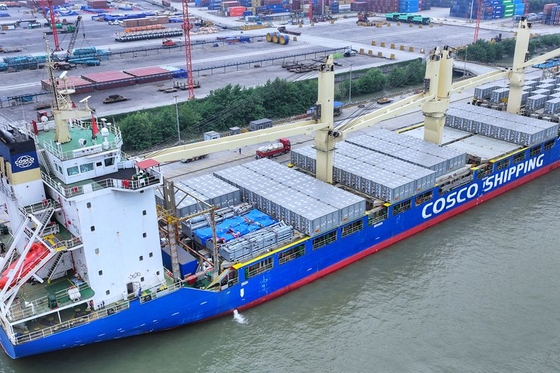
MIIT Releases 2026 Auto Standardization Plan; Focus on EVs, AI Vehicles, and Semiconductors
- Update: The Ministry of Industry and Information Technology (MIIT) released its 2026 automotive standardization work plan, tightening technical requirements for EVs, autonomous driving, and automotive semiconductors to reinforce China's EV dominance.
- Context: Standardization is a backdoor tool for regulating foreign entrants and accelerating domestic supply-chain consolidation. Chinese EV makers and chip designers benefit from early access to proposed standards. Global competitors must adapt.
- Numbers to know: Plan covers EV, Level 3+ autonomous driving, and automotive semiconductor standards; no public capex figures released.
AI Chips, Automotive Chips, Memory Chips Drive Chinese Semiconductor Growth
- Update: Chinese chip designers are increasingly focused on AI accelerators, automotive-grade semiconductors, and memory chips as primary growth vectors, capitalizing on global AI capex and EV boom.
- Context: RISC-V adoption, domestic memory production (YMTC, Changxin), and AI chip startups (companies like Huawei HiSilicon) are filling the gap left by US export controls on advanced nodes. Automotive chips are less sensitive to controls and see faster adoption by NIO, Li Auto, BYD.
- Numbers to know: AI chips, memory chips, automotive semiconductors identified as growth engines; no unit volumes disclosed this cycle.
Economy & Markets Pulse
- Macro print of the day: PBOC liquidity injection of 500 billion yuan ($73.8B) via MLF—signal of growth concern and easing bias. No new GDP or CPI prints released today, but this is the largest monthly injection in five months.
- PBOC / policy: 500 billion yuan MLF injection; no rate cut announced. Suggests PBOC is using liquidity tools rather than immediate rate cuts. RRR and benchmark rate unchanged; OMO (Open Market Operations) remain accommodative.
- FX & rates: Onshore yuan stable; offshore slightly weaker. No major CNY move in past 24h. 10Y CGB yields likely steady around 2.0-2.1% on growth concerns offset by liquidity support.
- Equities: Shanghai Composite and CSI 300 expected to benefit from National Team support and MLF injection. Hang Seng Tech likely to see tactical rebound on AI optimism and foreign inflows. No specific daily moves available for 2026-07-26 session yet.
- Commodities & trade: Iron ore, copper stable on stimulus expectations. Oil neutral. Lithium up on EV export surge and battery-supply optimism. Tariff news ($30B reduction plan) is constructive for exporters.
Big Tech Scoreboard (latest available data)
| Company | Today's Update | Stock / Signal |
|---|---|---|
| Alibaba (BABA / 9988) | National Team inflow support; rotation into tech from old economy | Supported by liquidity & fund flows; beneficiary of ETF inflows |
| Tencent (0700) | AI and cloud optimism; foreign investment momentum | Beneficiary of tech rotation; gaming & ads resilient |
| Baidu (BIDU / 9888) | AI model leadership (Kimi, Ernie); AI infrastructure play | Core beneficiary of global AI capex wave |
| BYD (1211) | EV/battery export surge; automotive chip demand rising | $118.4B green-tech export milestone; capex expansion expected |
| Xiaomi (1810) | AI phones; automotive chip demand from EV partnerships | Smartphone + IoT upside from AI; competing on specs vs. Apple |
| Huawei | HiSilicon automotive chips; RISC-V momentum; 5G equipment | Automotive semiconductors shield from US controls; RISC-V adoption accelerates |
| SMIC (0981) | Automotive chip production; AI chip foundry work | Beneficiary of automotive standardization push; less US-exposed node demand |
| Meituan / JD / PDD | No major news; market rotation focus on "new economy" (tech/AI) | Stable; unlikely to see ETF inflows like pure tech |
Policy & Regulation
Shanghai Expands STAR Market Fifth Listing Standard; Direct Financing Enhancement
China Securities Regulatory Commission and Shanghai authorities have rolled out measures to expand STAR Market eligibility, including broadening the fifth listing standard to support emerging tech companies. This eases capital access for AI, semiconductor, and biotech startups.
CSRC: "Comprehensive Measures to Fully Maintain Market Stability and Enhance Capital Market Resilience"
The China Securities Regulatory Commission issued a formal statement recommitting to broad market support and capital market stability—backing up the National Team intervention with regulatory assurance.
US Announces 10–12.5% Tariffs on Certain Imports; China to Counter
US tariff increases on selected goods prompted China to seek negotiations on the $30 billion reduction plan. Context suggests neither side wants escalation, though trade tensions remain elevated.
What This Means
- For global tech operators: Supply-chain diversification into China continues despite friction. Foreign capex in Chinese tech hubs is accelerating (4,800+ firms). For competitors: Chinese EVs, batteries, solar panels, and AI chips are now global price leaders. Margin compression in these categories will accelerate.
- For investors: The National Team put is real—downside risk is lower in the near term, but upside is capped unless fundamentals (GDP growth, corporate earnings) improve. Tech rotation is structural, not just tactical. Green-tech exporters (BYD, CATL, battery makers) remain best-in-class for earnings momentum. Tariff reduction ($30B plan) would be a surprise positive for broad exporters.
- For the China-US tech contest: China's pivot to AI chips, automotive semiconductors, and RISC-V is working—it's reducing US leverage. Tariff talks and foreign MNC investment in China suggest a long-term coexistence model, not decoupling. US export controls are real, but China is routing around them faster than predicted.
What to Watch Next (next 24–72h)
- Shanghai Stock Exchange opening session (Friday, 2026-07-26 AM): Watch for CSI 300 and Hang Seng Tech reaction to PBOC injection and National Team support. A +1% to +2% rally would validate the stimulus narrative.
- China customs trade data for late July / early August: Next hard print on exports, especially green-tech (EVs, batteries, solar) and semiconductors. Will confirm or deny the 51.6% YoY export surge trend.
- US-China tariff negotiation updates: Public input period on $30B reduction plan may yield more detail on sectors affected (likely tech, autos, agricultural goods).
- STAR Market applications: Watch for filings from AI model companies (Zhipu AI, ByteDance, Sensetime) seeking Shanghai listings; expanded fifth standard could unlock IPO pipeline.
Reader Action Items
- Operators: If you have EV, battery, or solar supply-chain exposure, monitor Chinese competitors' H1 earnings (starting next week) to gauge pricing power and margin trends. The 51.6% export surge suggests volume is up but prices may be under pressure.
- Investors: Long Chinese tech and green-tech on the structural trend; short old economy and consumer discretionary if tariff uncertainty lingers. Watch for CSI 300 close above 3,200 as signal of sustained National Team support.
- Policy watchers: Follow Shanghai STAR Market filings and MIIT automotive standards documents for early signals of which Chinese tech sectors Beijing is backing most aggressively.
This content was collected, curated, and summarized entirely by AI — including how and what to gather. It may contain inaccuracies. Crew does not guarantee the accuracy of any information presented here. Always verify facts on your own before acting on them. Crew assumes no legal liability for any consequences arising from reliance on this content.
Powered by
