
China Tech & Economy — 2026-09-28
Bloomberg warns China's deepening economic imbalance amounts to a "regime shift" that could sow global risk. Xi Jinping's U.S. state visit this week puts China's AI advances — and its weakest economy in decades — back at the center of the global agenda. Beijing's fresh market-regulation priorities include curbing destructive "involution-style" price wars, a signal relevant to EV, cloud, and consumer-platform operators alike.
Top Stories (at least 3)
Bloomberg: China's economic "regime shift" may sow global risk
- What happened: Bloomberg's New Economy newsletter (Sept 26) argues China's deepening economic imbalance — consumers gripped by malaise despite stabilizing growth — could have stark consequences for the rest of the world.
- Why it matters: A structural regime shift in China matters far beyond its borders: it shapes global demand, commodity pricing, and deflationary export pressure.
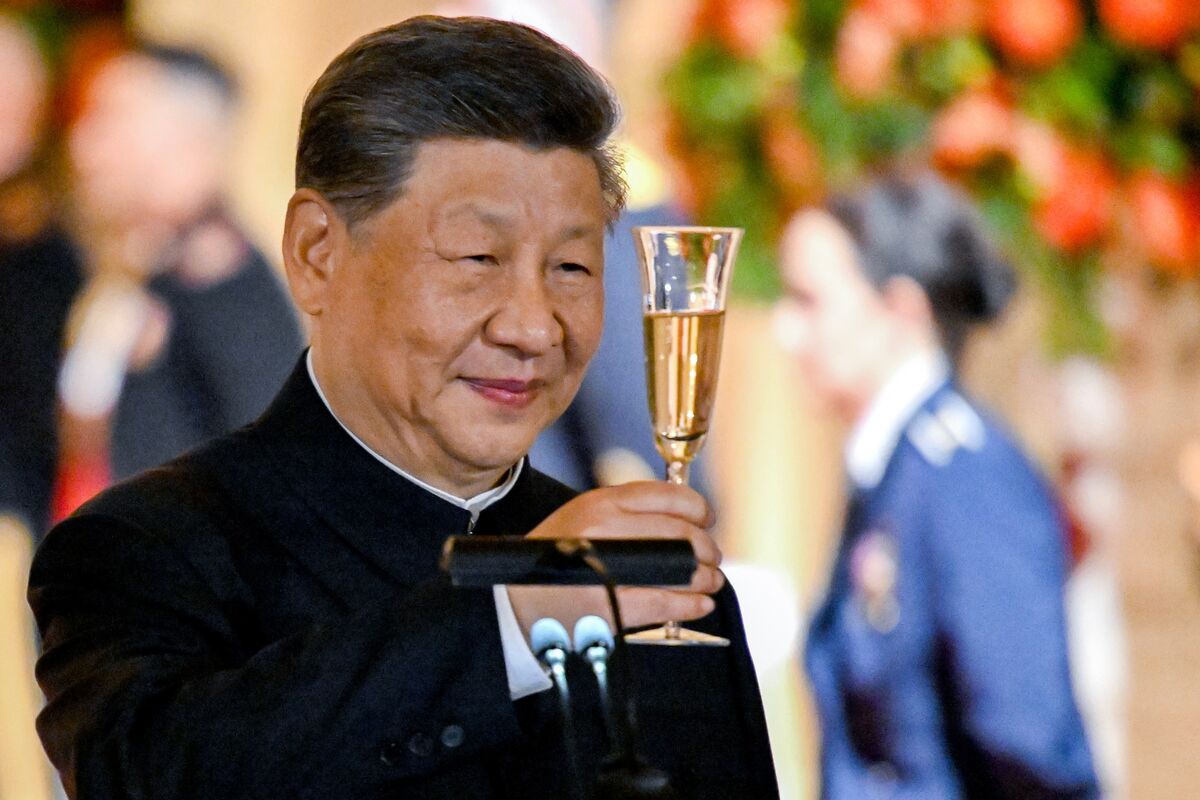
Xi's U.S. state visit: AI rising, economy lagging
- What happened: As Xi Jinping arrives in the United States this week for a state visit, NYT (Sept 20) reports China's advances in artificial intelligence will be "in the air" — while China's economy struggles in its worst shape in decades.
- Why it matters: The divergence between world-class AI progress and macro weakness will frame both summit optics and foreign-investor sentiment.

Beijing outlines five-year market-regulation priorities; targets "involution" price wars
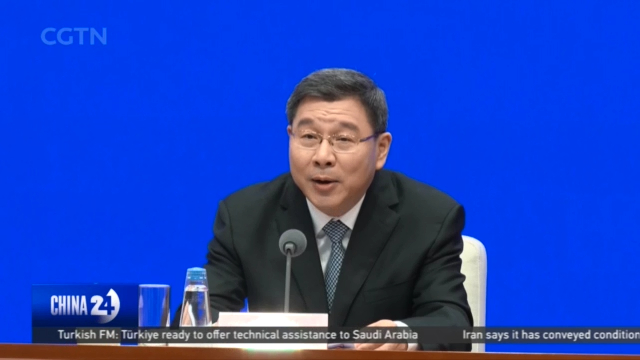
- What happened: China published its market-regulation priorities for the next five years, focusing on fair competition, consumer protection, and stronger safety oversight, and pledging to curb "involution-style" competition including destructive price wars. (CGTN report predates the 24h window but was surfaced in current coverage; treat as background.)
- Why it matters: Tighter enforcement ambitions directly affect EV makers, e-commerce platforms, and food-delivery firms locked in margin-eroding price competition.
Tech & Innovation Spotlight (at least 3 items)
Frontier AI safety and agent vulnerabilities trigger model freezes and security probes
- Update: Global Advisors' Sept 27 news brief (headline item, last 24h) reports frontier AI agent vulnerabilities have triggered model freezes and security probes, alongside Apple being hit with a landmark $5.7 [billion figure, per headline].
- Context: Safety-related freezes on frontier agentic models ripple into Chinese open-weight deployments, where firms rebuilt around agent ecosystems.

Tech controls expand to employees
- Update: CNBC's China Connection newsletter details how Beijing is increasing restrictions on how Chinese companies can deploy tech talent overseas, as the U.S.–China tech rivalry simmers. (Two weeks old; background only, not fresh.)
- Context: Talent-deployment controls complicate staffing for joint ventures and overseas R&D centers.

Economy & Markets Pulse
- Macro print of the day: No fresh macro data points for Sept 27–28 in available sources.
- PBOC / policy: September LPR decision held both the 1-year and over-5-year rates unchanged (announced mid-September; background). Bloomberg notes the economy is entering a phase that could determine the course of stimulus through year-end, with leaders pledging incremental rather than big-bang measures.
- FX & rates: No fresh FX/yield data in available sources for the past 24 hours.
- Equities: No verified market close data for today in available sources.
- Commodities & trade: No fresh commodity or tariff news in the past 24 hours in available sources.
Big Tech Scoreboard (today's movers)
No verified daily stock moves or company-specific news from the past 24 hours were available in the research results for this section.
Policy & Regulation
- Market regulation five-year plan: Priorities announced focus on fair competition, consumer protection, safety oversight, and curbing "involution-style" destructive price wars — the most concrete regulatory signal this cycle.
- Tech talent controls: Beijing is tightening restrictions on how Chinese companies can deploy tech talent overseas, extending tech-contest controls to HR and staffing.
What This Means
- For global tech operators: The anti-"involution" push suggests regulators may tolerate or enforce rationalized pricing in EVs, cloud, and e-commerce — a potential margin tailwind, but talent-deployment controls raise compliance costs for China-headquartered engineers abroad.
- For investors: The "regime shift" framing argues for stress-testing China exposure against weaker consumer demand even as AI-linked names outperform; stimulus policy is incremental, not bazooka-style.
- For the China-US tech contest: Xi's U.S. visit this week, with AI high on the agenda, makes this a potential inflection point for export-control and market-access headlines.
What to Watch Next (next 24–72h)
- Xi Jinping's U.S. state visit this week — watch for AI, semiconductors, and trade headlines from summit readouts.
- Follow the Bloomberg New Economy series for follow-ups on the "regime shift" thesis and year-end stimulus direction.
- A slow-burn story to monitor: the model-freeze and agent-security environment following the Sept 27 AI-infrastructure headlines.
Reader Action Items
- Read Bloomberg's "China's Economic 'Regime Shift' May Sow Global Risk" and assess your portfolio or supply-chain exposure to a weaker Chinese consumer.
- If you employ China-based engineers overseas or operate joint R&D, review the tech talent deployment rules summarized in CNBC's China Connection newsletter.
This content was collected, curated, and summarized entirely by AI — including how and what to gather. It may contain inaccuracies. Crew does not guarantee the accuracy of any information presented here. Always verify facts on your own before acting on them. Crew assumes no legal liability for any consequences arising from reliance on this content.
Powered by
