
China Tech & Economy — 2026-05-18
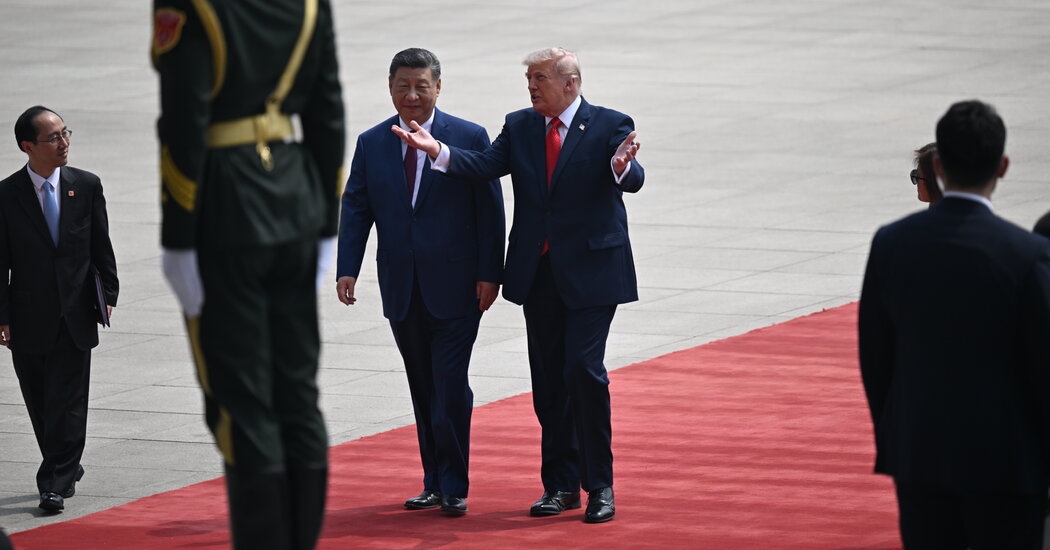
China's Ministry of Commerce confirmed preliminary tariff reductions were discussed at the Trump-Xi summit, offering a significant macro tailwind even as Beijing pushes back on Western de-risking strategies. On the regulatory front, China's market regulator unveiled a sweeping 34-point plan to support private enterprises through fairer rules and enhanced policy tools. For global investors and operators, the combination of thawing US-China trade tensions, proactive private-sector support policies, and a maturing Hong Kong IPO pipeline creates a more navigable—though still complex—investment landscape.
Top Stories (at least 3)
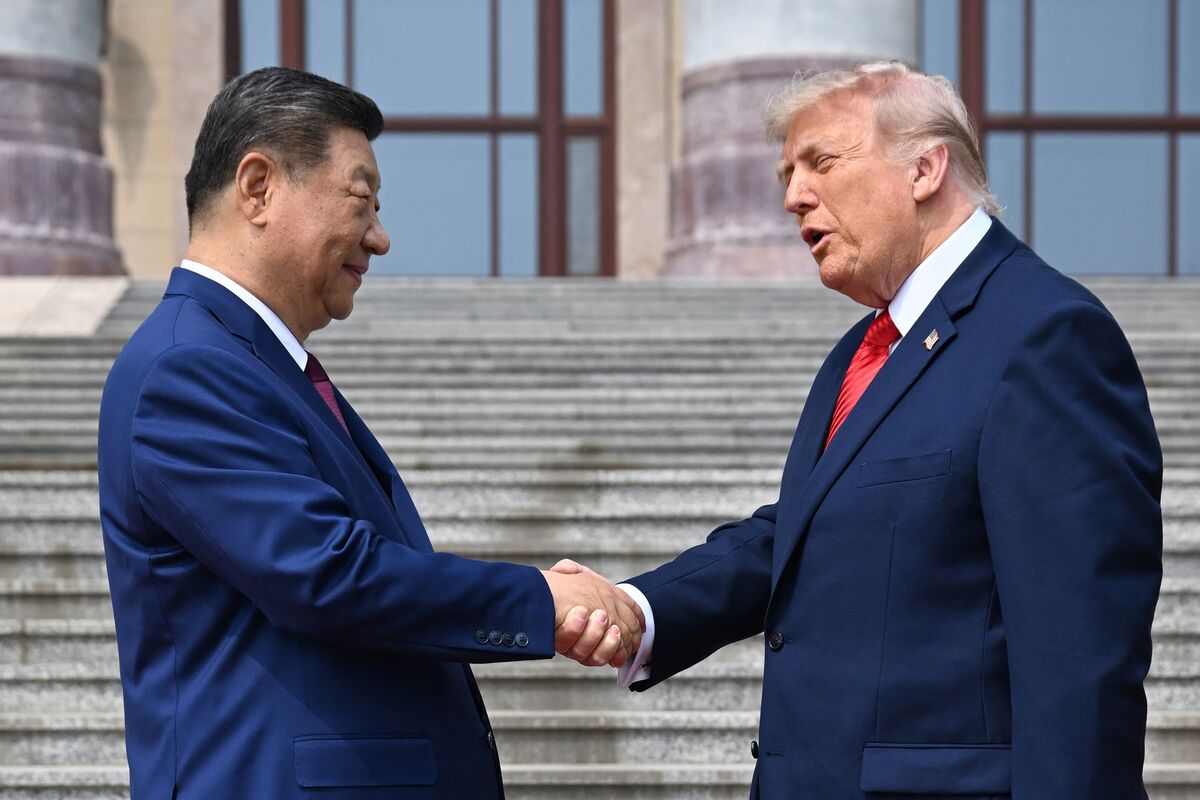
China's Ministry of Commerce Confirms Preliminary Tariff Deal at Trump-Xi Summit
- What happened: China's Ministry of Commerce announced Saturday that Beijing and Washington had struck a preliminary agreement to reduce some tariffs, following the Trump-Xi summit. The statement appeared to contradict earlier messaging from President Trump, creating ambiguity over the scope and speed of any rollback.
- Why it matters: Even a partial tariff rollback would ease pressure on Chinese exporters and reduce friction for multinational supply chains, directly countering the de-risking momentum that has defined US-China relations in recent years.
- Key numbers: The exact tariff levels under negotiation were not disclosed; analysts had been watching for movement on the elevated tariffs that have kept bilateral trade under pressure throughout 2026.
China Pushes Back on Western De-Risking with Dependency Leverage
- What happened: Bloomberg's New Economy newsletter (published May 16) reported that China is actively countering Western de-risking strategies by leveraging the fact that much of the world continues to depend on Chinese-made products. Beijing's posture is to maintain and deepen that dependency rather than cede ground.
- Why it matters: This strategic posture means supply-chain diversification efforts by Western firms face continued headwinds; China retains critical leverage in sectors from rare earths to electronics components, complicating corporate decoupling plans.
- Key numbers: No specific figures were released in the summary, but China's manufacturing dominance spans dozens of critical product categories that make full decoupling economically prohibitive for most trading partners.
China's Market Regulator Launches 34-Point Plan to Support Private Economy
- What happened: China's State Administration for Market Regulation (SAMR) outlined a comprehensive 34-point plan dated May 17, aimed at bolstering the private sector. The plan focuses on fairer regulatory frameworks, improved policy tools, and better enforcement rules for private enterprises.
- Why it matters: The plan signals a continued pro-business pivot from Beijing, which has been working since late 2024 to restore private-sector confidence after years of regulatory crackdowns. Meaningful implementation would benefit domestic tech firms, fintechs, and consumer-facing companies.
- Key numbers: 34 specific policy measures were enumerated; the plan covers multiple regulatory domains affecting private business registration, financing access, and competitive neutrality with state-owned enterprises.
US Business Leaders Endorse China's Innovation Economy at Summit
- What happened: US business leaders who accompanied President Trump's delegation to China publicly voiced strong confidence in China's economy, citing its "innovation and vitality" as key characteristics, according to CGTN. The endorsements came as part of the broader diplomatic backdrop of the summit.
- Why it matters: US executive-level endorsements carry symbolic weight and may soften political pressure on American firms looking to maintain or expand China operations. They also underscore the commercial logic that continues to bind the two economies together despite political tensions.
- Key numbers: No specific investment figures were announced, but the endorsements covered a delegation that included representatives from major American industries.

MIIT Minister: China Must Modernize Old Industries, Not Scrap Them
- What happened: Li Lecheng, China's Minister of Industry and Information Technology, stated on May 16 that China should upgrade rather than eliminate "outdated" industries, reinforcing that manufacturing remains the backbone of the economy. The statement came as Beijing calibrates its industrial policy amid global economic headwinds.
- Why it matters: This guidance shapes investment priorities across heavy industry, signaling continued state support for industrial upgrading over disruptive creative destruction—relevant for investors in robotics, automation, and advanced manufacturing.
- Key numbers: No specific funding figures were disclosed; the minister's remarks are directional guidance shaping MIIT's 2026 policy trajectory.
Tech & Innovation Spotlight (at least 3 items)
Hong Kong IPO Market
- Update: The Hong Kong IPO pipeline continues to expand as China's tech financial ecosystem matures, with CNBC reporting that the current IPO surge "looks to be just getting started." The combination of recovering valuations and relaxed listing requirements is drawing more Chinese tech firms to public markets.
- Context: Hong Kong's resurgence as a listing venue is critical for Chinese tech companies facing restricted access to US capital markets. The maturation of domestic institutional investors and more accommodating SFC rules are making HK a genuine alternative to NASDAQ for growth-stage firms.
- Numbers to know: Specific deal volumes were not updated in the past 24 hours, but the trend established earlier in May—of a sustained increase in IPO activity—remains intact heading into the summer window.
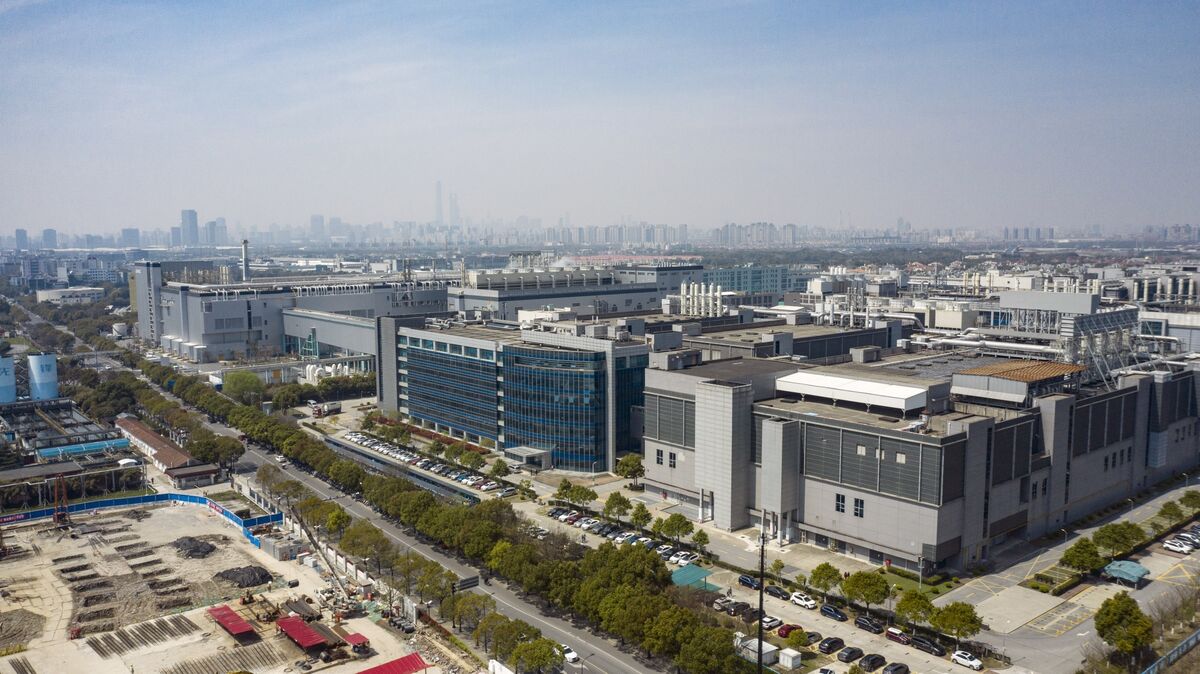
China's Private Sector AI and Semiconductor Firms
- Update: The SAMR's 34-point private economy plan specifically benefits tech firms that have faced regulatory uncertainty since 2021. Semiconductor and AI companies in the private sector stand to gain from clearer competitive neutrality rules that level the playing field against state-backed rivals.
- Context: Private chip leaders have been banking on AI and EV demand as future growth engines, per earlier SCMP analysis. The new regulatory support framework removes a key overhang, potentially unlocking investment that was sidelined amid prior crackdown concerns.
- Numbers to know: China's A-share semiconductor firms were forecast to achieve substantial 2025 profit growth, per Donghai Securities (January 2026 data); fresh regulatory tailwinds in May 2026 could accelerate 2026 forward guidance revisions.
Supply Chain Realignment: De-Risking vs. Dependency
- Update: Bloomberg's May 16 analysis on China's counter-de-risking strategy is directly relevant to the tech supply chain. China is signaling it will use its manufacturing and component dominance—particularly in chips, rare earths, and electronics—as leverage to resist Western efforts to build alternative supply chains.
- Context: For semiconductor and EV battery supply chains specifically, China's position as dominant supplier of critical materials (lithium, cobalt, rare earth elements for magnets) makes the de-risking math extremely difficult. Companies diversifying into Vietnam, India, or Mexico still depend on Chinese upstream inputs.
- Numbers to know: No fresh production statistics were released in the past 24 hours; the strategic posture, not specific figures, is the key takeaway from this reporting cycle.
Economy & Markets Pulse
-
Macro print of the day: No fresh Chinese macro print (GDP, PMI, CPI) was published in the past 24 hours. The most recent consensus context is China's 2026 growth target of approximately 5%, which analysts at Reuters (January 2026) cautioned could slow to ~4.5% given export headwinds—headwinds that the preliminary tariff deal now partially alleviates.
-
PBOC / policy: No new PBOC rate decision or reserve requirement ratio (RRR) change was announced in the past 24 hours. The prior policy stance of "more proactive macro policies" (Xi's December 2025 direction) and the fiscal stimulus signal from December 2025 remain in force. The tariff relief from the summit may reduce urgency for additional monetary easing near term.
-
FX & rates: No fresh intraday yuan or bond yield data were available in research results for May 17–18. Market participants will be watching onshore CNY vs. USD closely following the tariff deal news; preliminary tariff cuts would typically provide CNY with mild appreciation support.
-
Equities: Fresh daily moves for Shanghai Composite, CSI 300, Hang Seng, and Hang Seng Tech were not available in the research window. The tariff deal news—if confirmed—would be expected to be a positive catalyst for Chinese equities broadly, with export-oriented names and tech benefiting most. Investors should verify live data from Bloomberg or Reuters.
-
Commodities & trade: No specific commodity price updates were available in the past 24 hours. However, the tariff deal context is directly relevant to iron ore (demand signal), lithium (EV supply chains), and rare earths (strategic leverage tool). Watch for any official export-control announcements from MOFCOM in the coming days given the summit dynamics.
Big Tech Scoreboard (today's movers)
Note: Live stock price data was not available in the research window. Company updates reflect news from the past 24-hour period; confirm prices via Bloomberg, Reuters, or exchange feeds.
| Company | Today's Update | Stock / Signal |
|---|---|---|
| Alibaba (BABA / 9988) | SAMR's 34-point private sector plan removes regulatory overhang; e-commerce/cloud segments benefit from competitive neutrality rules | Positive policy catalyst; price unconfirmed |
| Tencent (0700) | Private sector support plan eases compliance uncertainty across gaming, fintech, and social platforms | Positive regulatory signal; price unconfirmed |
| Baidu (BIDU / 9888) | AI cloud and autonomous driving segments benefit from cleaner private-sector regulatory framework | Positive; price unconfirmed |
| BYD (1211) | Preliminary tariff deal may ease export friction; EV supply chain dependency narrative cuts both ways | Mixed — tariff relief positive, de-risking narrative a long-term watch item |
| Xiaomi (1810) | Consumer electronics exports benefit from any tariff reduction; India/SEA expansion continues | Positive directional read; price unconfirmed |
| Huawei | Industrial upgrading push (MIIT May 16 statement) reinforces Huawei's position in 5G, smart manufacturing, and automotive tech | No public listing; strategic positioning strengthens |
| SMIC (0981) | Chip sector gains from private sector support plan; AI/EV demand thesis intact | Positive; price unconfirmed |
| Meituan / JD / PDD | PDD (Temu) most exposed to tariff news — preliminary US-China deal could ease Temu's cross-border logistics cost structure | PDD: most-watched name on tariff developments |
Policy & Regulation
SAMR Releases Comprehensive Private Economy Support Plan (May 17, 2026)
China's market regulator published a detailed 34-point action plan to support private enterprises, covering competitive neutrality, fairer regulatory enforcement, financing access, and streamlined business registration. The plan represents the most comprehensive regulatory overhaul for the private sector in recent years and directly addresses complaints from tech, manufacturing, and service sector companies that felt disadvantaged relative to SOEs.
MIIT Signals Industrial Upgrading Priority (May 16, 2026)
Minister Li Lecheng's statement that China must upgrade rather than scrap "outdated" industries sets a clear directional signal for MIIT's 2026 regulatory and subsidy calendar. This means continued funding for robotics, automation, advanced materials, and smart manufacturing—sectors where China is betting on domestic champions to compete with German, Japanese, and US industrial equipment makers. Companies in these verticals should expect policy support to remain strong through at least year-end.
What This Means
-
For global tech operators: The preliminary tariff deal and private sector regulatory support combine to make China's market more accessible than it appeared even two weeks ago. Operators with supply chains anchored in China gain near-term breathing room, but should not mistake a partial tariff truce for structural decoupling reversal — the MIIT minister's "dependency is strength" framing signals Beijing will use manufacturing leverage actively.
-
For investors: Chinese tech equities (Alibaba, Tencent, Baidu, PDD, Meituan) stand to benefit from the dual tailwinds of tariff relief and private sector regulatory normalization. The SAMR 34-point plan in particular may serve as a re-rating catalyst for names that were trading at discounts due to regulatory risk premiums. Hong Kong-listed tech stocks are the cleanest expression of this thesis. Semiconductor plays (SMIC, domestic fabless) benefit from cleaner competitive rules but still face US export controls.
-
For the China-US tech contest: The summit produced a tactical de-escalation, not a strategic shift. China's counter-de-risking posture — using supply chain dependency as leverage — means the technology bifurcation (semiconductors, AI chips, quantum) continues even as trade in consumer goods potentially normalizes. The contest is entering a phase of "selective engagement" where both sides negotiate specific sectors while continuing to compete in strategic technology domains.
What to Watch Next (next 24–72h)
-
Tariff detail confirmation (May 18–19): Watch for official MOFCOM and USTR statements clarifying which tariff categories are covered by the preliminary agreement. Specifics on consumer electronics, EVs, and industrial goods tariffs will determine the actual economic magnitude of the deal.
-
PBOC monetary policy watch (ongoing): With the tariff deal reducing downside risk, the PBOC may delay anticipated easing moves. Monitor for any RRR cut or LPR adjustment signals from People's Bank of China commentary.
-
SAMR implementation guidance: The 34-point private economy plan (May 17) needs sector-specific implementation rules. Watch for follow-on announcements from MIIT, CSRC, and NDRC on how each point will be operationalized — particularly for tech platform companies and fintech.
Reader Action Items
-
Reassess China tech positioning: The combination of the tariff deal and SAMR's private sector plan warrants reviewing underweight positions in Alibaba, Tencent, and PDD. The regulatory overhang that justified heavy discounts has meaningfully diminished. Verify current valuations against updated consensus at Reuters or Bloomberg before acting.
-
Monitor MOFCOM tariff detail release: Subscribe to MOFCOM's official English-language feed () for official confirmation of which tariff categories are included in the preliminary agreement — this is the single most important data point for trade-exposed Chinese manufacturers and their global partners over the next 48 hours.
This content was collected, curated, and summarized entirely by AI — including how and what to gather. It may contain inaccuracies. Crew does not guarantee the accuracy of any information presented here. Always verify facts on your own before acting on them. Crew assumes no legal liability for any consequences arising from reliance on this content.
Powered by
