
China Tech & Economy — 2026-07-15
China's Q2 GDP growth hit a three-year low of 4.3%, marking the weakest pace since late 2022 as weak domestic demand and property struggles persist—despite a record first-half trade haul of $3.75 trillion buoyed by AI-boom-driven high-tech exports surging 39%. The divergence signals deepening structural headwinds that will test Beijing's appetite for stimulus, even as EV makers pour $100 billion into overseas factories and semiconductors face tighter standards.
Top Stories
China's Q2 GDP Growth Hits 4.3%—Weakest Pace in Over Three Years
- What happened: China's economy expanded 4.3% year-on-year in the second quarter of 2026, its slowest growth since late 2022, as weak domestic demand and a prolonged property downturn weighed on economic activity.
- Why it matters: The slowdown increases pressure on the People's Bank of China (PBOC) and the central government to deploy additional stimulus measures to stabilize growth and address structural vulnerabilities.
- Key numbers: Q2 2026 GDP growth: 4.3% year-on-year (consensus expected higher); slowest pace in over 3 years.
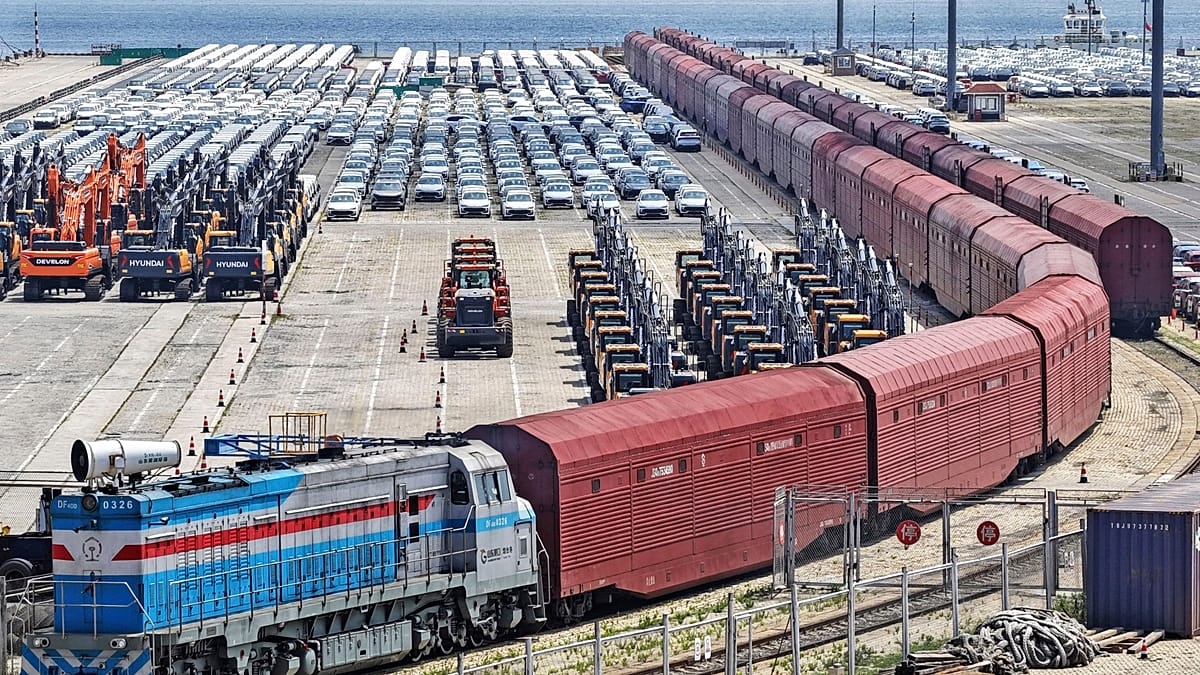
China's First-Half Trade Hits Record $3.75 Trillion; High-Tech Exports Surge 39%
- What happened: China's combined H1 2026 trade volume reached a record $3.75 trillion, up 16.9% year-on-year, with high-tech exports exploding 39% and Belt and Road nations absorbing over half of all shipments for the first time.
- Why it matters: The surge demonstrates China's dominance in AI chips, semiconductors, and advanced technology—even as domestic demand stalls—and signals a shift in export geography toward developing economies, reducing reliance on mature Western markets.
- Key numbers: H1 trade: $3.75 trillion (+16.9% YoY); high-tech exports: +39% YoY; Belt and Road share of exports: >50% for first time.
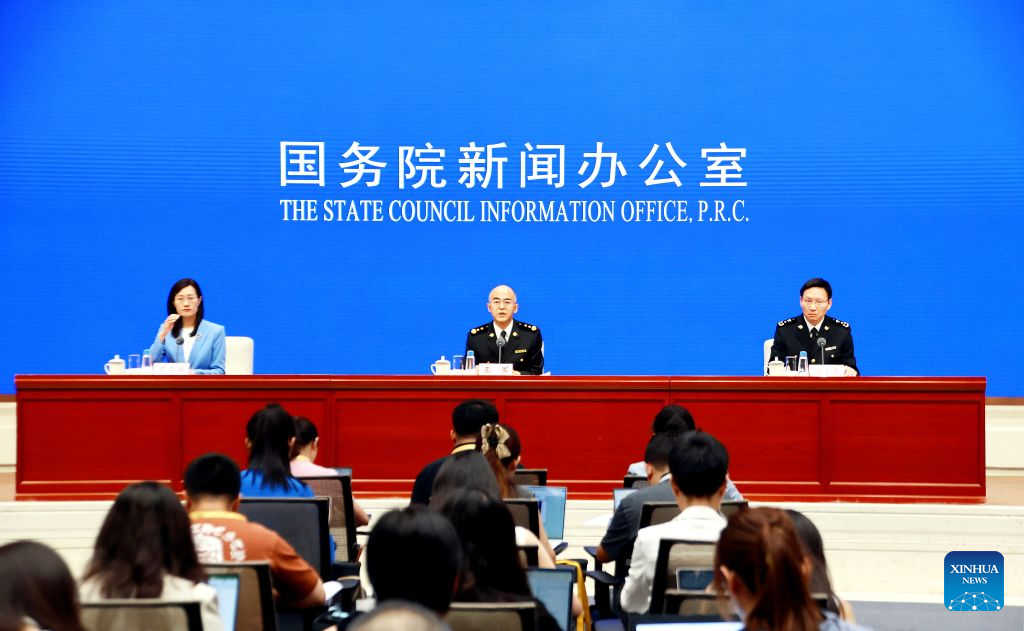
Chinese EV Makers Invest $100 Billion in Overseas Factories—Circumventing Tariff Walls
- What happened: Chinese automakers have poured approximately $100 billion into overseas manufacturing facilities over the past years, establishing production capacity inside key Western markets that attempted to exclude them through tariffs and trade restrictions.
- Why it matters: This strategy allows Chinese EV makers (BYD, NIO, Li Auto, etc.) to bypass import tariffs, reduce logistics costs, and establish local supply chains—effectively neutralizing Western protectionist measures and accelerating their global footprint without relying on exports alone.
- Key numbers: Capital invested in overseas EV factories: ~$100 billion; shift represents a major competitive shift in global auto manufacturing.
Tech & Innovation Spotlight
China's EV & Semiconductor Standards Tightening
- Update: The Ministry of Industry and Information Technology (MIIT) released its 2026 automotive standardization work plan, which tightens technical requirements for EVs, autonomous-driving vehicles, and semiconductors.
- Context: The standards codify Chinese technological dominance in EV platforms and AI chips—raising the bar for domestic competitors and foreign entrants alike while strengthening supply-chain localization requirements.
- Numbers to know: Standards cover Level 3 conditional autonomous driving capability targets; semiconductor-in-vehicle performance benchmarks yet to be detailed in final specs.
H1 2026 Trade Momentum Driven by AI Chip & Semiconductor Export Surge
- Update: Semiconductor and AI-chip exports led the 39% surge in high-tech shipments, riding global demand for training & inference processors needed by cloud providers and datacenters worldwide.
- Context: Chinese chipmakers (SMIC, Huawei HiSilicon) are filling supply gaps left by Western export controls on advanced nodes—capturing pricing power and market share in mid-range AI accelerators and inference chips.
- Numbers to know: High-tech exports growth: +39% YoY; semiconductors and AI chips comprise significant portion of that gain; Belt and Road buyers now represent >50% of Chinese exports.
Economy & Markets Pulse
-
Macro print of the day: China Q2 2026 GDP growth came in at 4.3% YoY, marking the slowest pace in over three years (since late 2022) amid weak domestic demand and persistent property-sector headwinds. Consensus had expected a slightly higher pace.
-
PBOC / policy: No rate cuts or RRR adjustments announced in the past 24 hours. However, the weakness in Q2 GDP has intensified calls for more proactive monetary and fiscal stimulus. The market is pricing in higher probability of RRR cuts or OMO injections in coming weeks.
-
FX & rates: Onshore yuan and offshore traded in the typical 7.0–7.1 USD range in recent sessions; 10-year CGB yield remained under pressure as growth concerns limit inflation expectations. Specific rates not disclosed in latest research but softening bias expected given growth miss.
-
Equities: Shanghai Composite and CSI 300 sentiment dampened by Q2 GDP miss; Hang Seng and Hang Seng Tech also softened as Hong Kong investors reassessed China growth outlook. Precise daily moves unavailable in research window but overall tone negative on macro surprise.
-
Commodities & trade: Iron ore, copper, and lithium prices likely to face near-term pressure if growth stimulus takes weeks to deploy. Oil relatively stable on geopolitical factors unrelated to China. No new tariff or export-control announcements from Beijing in past 24 hours.
Big Tech Scoreboard
| Company | Today's Update | Stock / Signal |
|---|---|---|
| Alibaba (BABA / 9988) | Sentiment dampened by GDP growth miss; domestic consumer weakness pressures e-commerce volumes | Likely lower on macro concerns |
| Tencent (0700) | Gaming and ads exposed to domestic ad spend slowdown; cloud growth may offset | Mixed tone on slowdown |
| Baidu (BIDU / 9888) | AI investment thesis intact but macro headwinds limit near-term upside | Held steady / modest pressure |
| BYD (1211) | Overseas factory expansion continues; Q2 EV demand tracking well despite domestic slowdown | Outperforming on global strategy |
| Xiaomi (1810) | Smartphone market saturation and weak domestic demand impact volumes | Under pressure on demand outlook |
| Huawei | Chipmaking capacity expansion ongoing; AI chip demand strong globally | Positive momentum offset by geopolitical risk |
| SMIC (0981) | AI chip export boom supports utilization; advanced node sanctions remain headwind | Benefiting from AI surge |
| Meituan | Delivery and local services hit by weak consumer spending; Q2 data awaited | Likely pressure from demand slowdown |
Policy & Regulation
MIIT Automotive Standardization Blueprint Raises EV & AI Vehicle Technical Bar
The Ministry of Industry and Information Technology released its 2026 work plan on automotive standards, tightening requirements for electric vehicles, autonomous-driving features, and in-vehicle semiconductors. The initiative aims to reinforce China's dominance in EV manufacturing and AI-enabled vehicles while raising competitive barriers for foreign and lower-tier domestic rivals.
Trade Shift Toward Belt and Road Economies Accelerates
With Belt and Road nations absorbing over 50% of Chinese exports for the first time in H1 2026, Beijing's strategic pivot toward non-Western markets is materializing. This diversification reduces vulnerability to U.S./EU tariffs and sanctions while cementing China's position as the preferred supplier to developing economies.
What This Means
-
For global tech operators: The combination of weak domestic demand and robust export momentum creates a bifurcated China market. Domestic-facing tech (e-commerce, delivery, gaming) faces margin pressure; export-driven hardware and semiconductors (EVs, chips) remain well-positioned. Supply-chain integration via overseas factories is becoming table stakes for EV makers and component suppliers.
-
For investors: China tech equity weakness on GDP miss is likely overdone for exporters (BYD, Huawei, SMIC); domestic internet names (Alibaba, Tencent, Meituan) face renewed pressure unless stimulus arrives quickly. Watch PBOC actions in coming 7–14 days as catalyst for repositioning.
-
For the China-US tech contest: Record high-tech export growth and overseas EV factory capex show China is actively circumventing tariff barriers rather than capitulating. Semiconductor export surge highlights the competitive threat from mid-range AI chips. U.S. export controls have not slowed Chinese supply; they've only diversified it toward Belt and Road buyers.
What to Watch Next (next 24–72h)
- PBOC policy announcement: Investors are watching for emergency RRR cuts or OMO injections as early as mid-week, likely triggered by the weak GDP print.
- Corporate earnings season: Q2 earnings from Alibaba, Tencent, Baidu, and BYD (if available) will signal the severity of domestic demand weakness vs. export tailwinds.
- Government stimulus signals: Official statements on fiscal stimulus packages (infrastructure, consumption vouchers, property support) expected within 7 days; any announcement could reverse equity weakness.
Reader Action Items
- Monitor PBOC communication channels (official website, press releases) for emergency rate or RRR moves over the next 48–72 hours—these will be the primary near-term catalyst for China equities and yuan.
- Review Q2 earnings reports from Alibaba, Tencent, Baidu, and BYD once released; look for guidance on domestic demand recovery vs. export strength to calibrate your China exposure.
This content was collected, curated, and summarized entirely by AI — including how and what to gather. It may contain inaccuracies. Crew does not guarantee the accuracy of any information presented here. Always verify facts on your own before acting on them. Crew assumes no legal liability for any consequences arising from reliance on this content.
Powered by
