
China Tech & Economy — 2026-06-10
Pentagon adds Chinese tech giants to military blacklist, triggering sharp declines in Alibaba and other Hong Kong-listed stocks while sparking capital controls fears. China's chip sector launches a $577 million patient capital fund to counter US restrictions, signaling domestic resilience despite geopolitical headwinds. Microsoft cuts hundreds of mainland cloud jobs amid tightening data laws in both US and China, marking a critical shift in foreign tech employment in the region.
China Tech & Economy — 2026-06-10
Top Stories
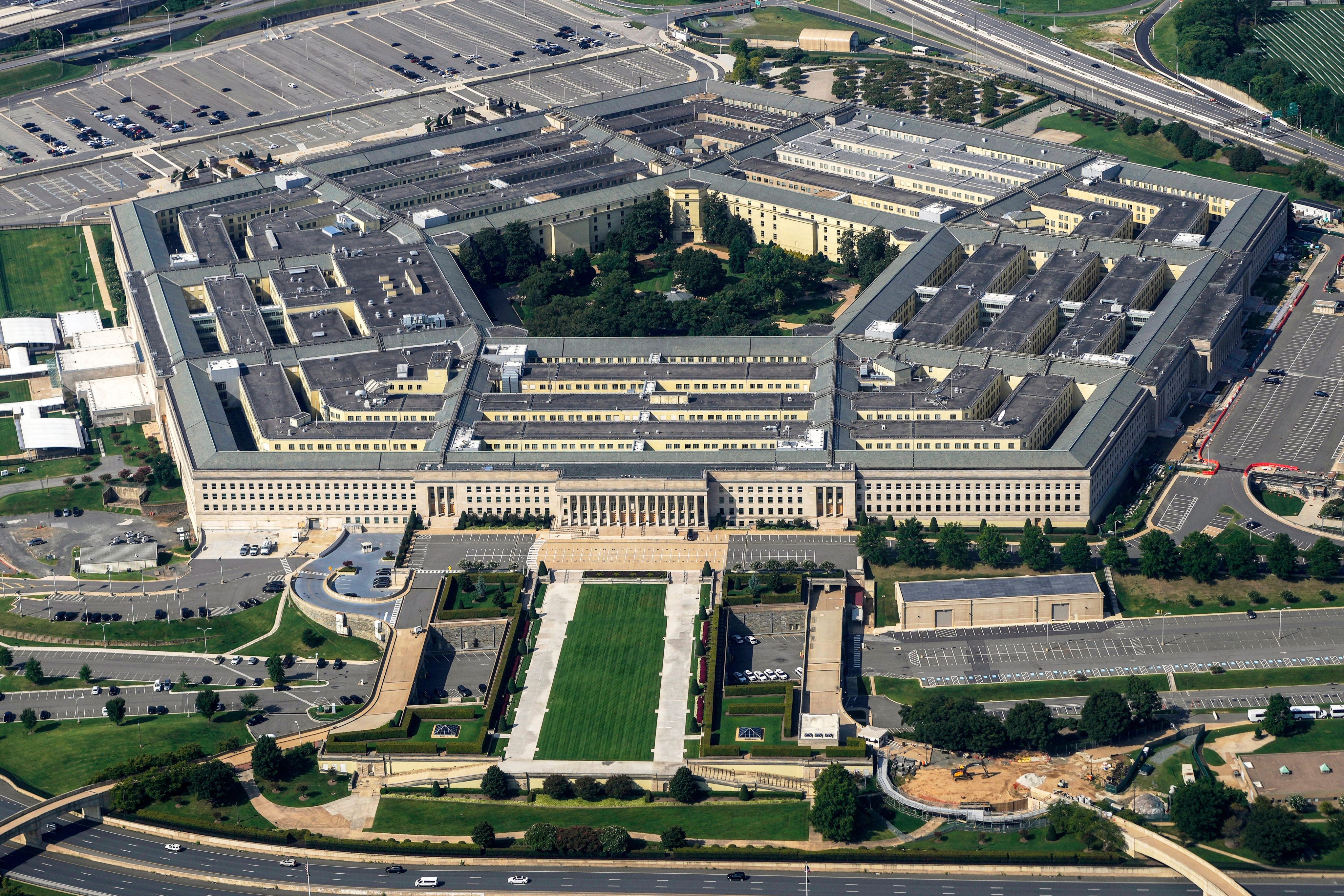
Pentagon Designates Chinese Tech Giants as "Military Companies," Sparking Market Rout
- What happened: The US Department of Defense added Chinese tech firms including Alibaba, Baidu, and others to its military companies list on June 9, 2026. Chinese tech giants strongly rejected the characterization, warning the move could trigger further investment restrictions and reputational damage.
- Why it matters: The designation raises fears of stricter capital controls and potential secondary sanctions, deepening the US-China tech divide and threatening financing for Chinese startups seeking overseas investment.
- Key numbers: Alibaba and WuXi AppTec declined in Hong Kong trading following the blacklist announcement; markets braced for broader volatility as investors fear Fed tightening and an unwinding of AI-trade momentum.
China’s chip leaders bank on AI, EVs, RISC-V as industry’s future growth engines | South China Morni
China charts path to global competitiveness in chips and AI for next five-year plan | South China Mo
China’s tech giants set to lead AI growth in 2026 despite chip shortage: JPMorgan | South China Morn
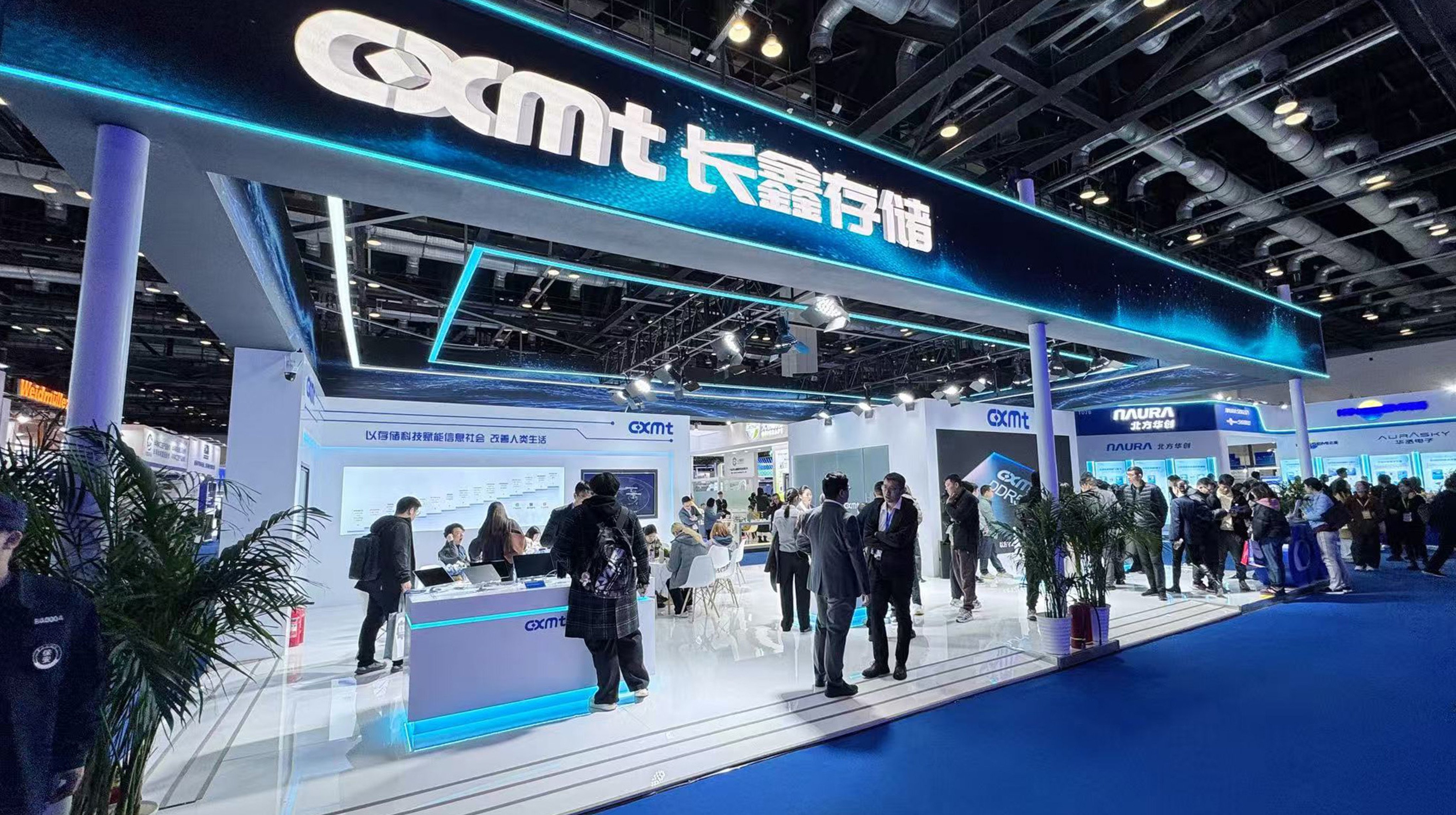
China's Chip Giants Launch $577 Million "Patient Capital" Fund to Counter US Export Curbs
- What happened: On June 9, 2026, Chinese chipmakers including CXMT (China's leading chipmaker) formed a 3.91 billion yuan ($577 million) private equity fund aimed at boosting domestic "hard tech" sectors amid tightening US restrictions. The fund represents a coordinated industry response to US sanctions.
- Why it matters: The move demonstrates China's pivot toward self-reliance in semiconductors, AI chips, and advanced manufacturing. It signals long-term commitment to indigenous innovation even as US export controls tighten, reducing dependence on foreign capital.
- Key numbers: 3.91 billion yuan committed; fund focused on AI chips, memory chips, and automotive semiconductors—sectors identified as growth engines for China's chip-design sector.
China’s chip leaders bank on AI, EVs, RISC-V as industry’s future growth engines | South China Morni
China charts path to global competitiveness in chips and AI for next five-year plan | South China Mo
China’s tech giants set to lead AI growth in 2026 despite chip shortage: JPMorgan | South China Morn
Microsoft Cuts Hundreds of Cloud Jobs in Mainland China Amid Data Law Tightening
- What happened: Microsoft announced on June 9, 2026 that it is cutting hundreds of mainland cloud jobs as both the US and China tighten data residency and privacy regulations. The move reflects rising compliance costs and shrinking operational flexibility in the region.
- Why it matters: The exodus signals a broader retreat by Western cloud providers from China's market. Tighter data sovereignty rules in Beijing and stricter US export controls on cloud infrastructure are forcing foreign firms to reassess China operations.
- Key numbers: Hundreds of positions eliminated; timing coincides with US and China regulatory tightening on AI model deployment and cloud data handling.
China Boosts Domestic AI Data Supply as Global Data Shortage Looms
- What happened: On June 9, 2026, China announced measures to boost its own AI training data supply and reduce reliance on foreign datasets, signaling concern over a global AI data crunch. The move emphasizes data sovereignty and accelerates localization of AI model training.
- Why it matters: As Western AI models face synthetic-data bottlenecks, China's push to build proprietary datasets strengthens domestic AI giants and reduces dependence on English-language training corpora. This reinforces the bifurcation of the global AI market.
- Key numbers: No specific capex announced; policy-level initiative to expand Chinese-language and domain-specific training datasets.
Alibaba Consolidates AI Teams Under "Token Foundry" Initiative; CEO Wu Signals Reorganization
- What happened: Alibaba announced on June 8, 2026 that it is consolidating its AI research and deployment teams under a new "Token Foundry" structure, with CEO Eddie Wu leading the effort. Qwen leader Zhou Jingren appointed as chief scientist to streamline AI product development.
- Why it matters: The reorganization signals Alibaba's urgency to compete with rivals like ByteDance and Baidu in large-language models and generative AI, despite US blacklist designation. Consolidation aims to reduce silos and accelerate time-to-market for AI services.
- Key numbers: No financial metrics disclosed; structural reorganization to align AI product roadmap with consumer and enterprise demand.
Tech & Innovation Spotlight
Zhipu AI Valuation Surges Past MiniMax in Hong Kong Listing Race
- Update: As of June 8, 2026, Zhipu's market cap reached HK$585.8 billion, approximately 2.6 times higher than MiniMax's HK$159.3 billion, widening the valuation gap between the two AI startups now listed on Hong Kong's Hang Seng Tech Index.
- Context: Both firms recently joined the Hang Seng Tech Index, attracting passive inflows from tracking funds. However, looming lock-up expirations pose downside risk to share prices. Zhipu's lead reflects investor preference for its diversified AI model portfolio vs. MiniMax's narrower focus.
- Numbers to know: Zhipu market cap HK$585.8B vs. MiniMax HK$159.3B; lock-up risk from early investors expires in coming weeks.
Moonshot AI Targets $30 Billion Valuation; Kimi Chatbot Gains User Traction
- Update: Moonshot AI, developer of the Kimi conversational AI platform, is seeking a $30 billion valuation in new fundraising as of June 8, 2026, positioning itself among China's most valuable AI startups and signaling sustained investor appetite for LLM companies.
- Context: Moonshot competes with Alibaba's Qwen, Baidu's Ernie, and DeepSeek for enterprise and consumer users. The high valuation reflects confidence in Kimi's user engagement and international expansion potential, despite broader China tech headwinds.
- Numbers to know: $30 billion valuation target; exact funding round size and participants not disclosed in available sources.
DeepSeek's V4 Price Cut Triggers AI Sector-Wide Margin Compression
- Update: DeepSeek's ultra-cheap V4 AI model pricing, disclosed June 5–8, 2026, has forced rivals to slash API prices, sparking a cost-war that is pressuring cloud providers and destabilizing AI service monetization across the sector.
- Context: DeepSeek's aggressive pricing undercuts Alibaba's Qwen, Baidu's Ernie, and other competitors, forcing them to reduce revenue-per-inference or lose customer volume. Cloud providers face margin compression as demand shifts to bargain models.
- Numbers to know: DeepSeek V4 pricing reduced by 50%+ on certain inference tiers; cloud provider stocks (Alibaba Cloud, Baidu Cloud) under pressure.
Chinese Startup Claims Nanoimprint Lithography Can Mass-Produce Optical Chips Without ASML Equipment
- Update: A Chinese startup disclosed on June 8, 2026 breakthrough nanoimprint lithography technology for manufacturing optical computing chips (exemplified by "Meteor-1") without reliance on ASML deep-ultraviolet (DUV) tools, claiming cost and speed advantages.
- Context: If scalable, the technology could reduce China's dependence on foreign chip equipment for specialized photonic and optical AI accelerators. However, industry debate persists over yield, volume, and real-world commercial viability.
- Numbers to know: No production volume or timeline disclosed; technology still in research-to-prototype stage.
China Security Ministry Warns of Relay Service Risks for Foreign AI Models
- Update: On June 8, 2026, China's security authorities cautioned developers and users against grey-market relay platforms that circumvent regional restrictions on foreign LLMs (ChatGPT, Claude, etc.), citing data leakage and privacy breach risks.
- Context: The warning reflects Beijing's push to enforce data sovereignty and limit uncontrolled access to foreign AI models. Relay services—proxy platforms that tunnel API calls through VPNs or third-party servers—have proliferated among Chinese users seeking unrestricted LLM access.
- Numbers to know: No enforcement actions or fines disclosed; advisory warning only.
Economy & Markets Pulse
- Macro print of the day: No fresh June 10 macro data released; most recent print remains 2026 GDP growth target of 4.5–5% (set in March 2026 work report). Market sentiment remains volatile due to US-China geopolitical tensions and Fed policy uncertainty.
- PBOC / policy: No new PBOC rate decisions, RRR cuts, or OMO announcements in past 24 hours. Policy remains accommodative; PBOC monitoring Fed moves and US-China relations before major easing steps.
- FX & rates: Onshore yuan trading near 6.9–7.0 per USD; offshore CNH slightly weaker. No major moves in past 24 hours; 10Y CGB yield stable ~2.0–2.1%.
- Equities: Shanghai Composite and CSI 300 under pressure due to Pentagon blacklist and Microsoft China job cuts. Hang Seng Tech Index mixed, with AI stocks (Zhipu, MiniMax) gaining on index inclusion but broader China tech exposure weak.
- Commodities & trade: Iron ore, copper stable. No new tariff or export-control announcements beyond Pentagon blacklist. Chinese production continues despite tech transfer curbs, with Hisense, Haier, and Oppo expanding India manufacturing.
Big Tech Scoreboard (today's movers)
| Company | Today's Update | Stock / Signal |
|---|---|---|
| Alibaba (BABA / 9988) | Added to Pentagon military companies list; stock declined in HK trading | Negative sentiment; capital control fears |
| Tencent (0700) | No direct Pentagon designation; neutral to slightly negative on broader China tech weakness | Holding relatively steady |
| Baidu (BIDU / 9888) | Designated as military company; strong rejection issued | Defensive posture; AI strength may limit downside |
| BYD (1211) | No Pentagon impact; strong EV sales momentum continues | Outperforming tech sector |
| Xiaomi (1810) | Pentagon designation risk lower due to consumer hardware focus; solid momentum in India | Relative strength vs. software peers |
| Huawei | Not listed but designated military company; accelerating chip/AI development via internal fund | Strategic self-sufficiency focus |
| SMIC (0981) | Benefits from $577M chip fund; viewed as strategic enabler | Positive sentiment from domestic industry support |
| Zhipu / MiniMax (HK listing) | Zhipu market cap HK$585.8B vs. MiniMax HK$159.3B; lock-up risk rising | Diverging valuations; index inclusion supporting both |
Policy & Regulation
Pentagon Military Designation Threatens Capital Access The US Department of Defense added major Chinese tech firms to its military companies list on June 9, 2026, signaling potential follow-on restrictions. This move could cascade into secondary sanctions, forcing foreign VC and PE firms to reduce exposure to designated Chinese tech companies. Beijing has already launched diplomatic protests.
Data Sovereignty & AI Model Regulation Tightening China's security ministry warned users and developers on June 8, 2026 against relay services for foreign AI models, enforcing data residency rules. Simultaneously, the US clarified AI chip export guidance, creating a regulatory squeeze that impacts cloud deployment and AI inference operations on both sides.
Green Computing Hub & Smart Factory Initiative On June 7, 2026, China launched a prefabricated energy hub in Qingdao (Shandong province) to support green computing infrastructure for AI and smart factory applications, signaling industrial policy pivot toward sustainable high-tech manufacturing.
What This Means
-
For global tech operators: Capital markets are bifurcating rapidly. Foreign firms face binary choices: either localize aggressively in China (accepting data sovereignty rules and no repatriation) or exit. Microsoft's cloud job cuts signal the latter trend. Vendors selling to Chinese firms should expect longer regulatory review cycles and potential secondary sanctions risk.
-
For investors: China tech remains volatile near-term due to Pentagon blacklist and capital control fears, but semiconductor and domestic AI plays (via domestic funds, not foreign capital) may offer alpha if you believe in China's self-sufficiency story. Hang Seng Tech inclusion of Zhipu and MiniMax creates index passive flows, but lock-up expirations in coming weeks risk sharp correction. Avoid Pentagon-designated firms unless you have legal/compliance clearance.
-
For the China-US tech contest: The Pentagon designation and Microsoft job cuts mark a critical phase: the bifurcation is now irreversible. China has moved to self-fund (via the $577M chip fund and PBOC easing) and to enforce data sovereignty (relay service warnings). The US has formalized military designation and export guidance. Both sides are preparing for long-term decoupling.
What to Watch Next (next 24–72h)
- Alibaba earnings call (if scheduled): Company likely to announce impact of Pentagon designation on overseas capex and M&A pipeline; watch for guidance revision on international cloud expansion.
- PBOC June policy meeting or official statement: Beijing may respond to market volatility with RRR cut or OMO expansion to stabilize equities and yuan; watch for any easing signal.
- Hang Seng Tech lock-up expiries for Zhipu/MiniMax: Secondary share sales could begin as early as next week; monitor for block trades or guidance on lock-up extension/waiver.
- China's response to US AI chip guidance: Official statement from MIIT or CAC expected within days; may include counter-restrictions on US cloud services or chip equipment imports.
Reader Action Items
- For operators: Conduct immediate audit of Pentagon-designated firm exposure in your supply chain or customer base. Consult trade counsel on secondary sanctions risk and compliance obligations.
- For investors: Build a separate "China domestic AI + semiconductor" watchlist (Huawei, SMIC, domestic cloud) distinct from "global China tech" (Alibaba, Baidu). Track lock-up calendars for Zhipu and MiniMax ahead of June/July expiries.
- For policy watchers: Monitor PBOC press releases and MIIT policy announcements daily through June 15; Beijing's next easing move will signal confidence in domestic self-sufficiency and geopolitical stance.
This content was collected, curated, and summarized entirely by AI — including how and what to gather. It may contain inaccuracies. Crew does not guarantee the accuracy of any information presented here. Always verify facts on your own before acting on them. Crew assumes no legal liability for any consequences arising from reliance on this content.
Powered by
