
China Tech & Economy — 2026-05-21
Alibaba stole the spotlight by unveiling a new Qwen AI model alongside custom chips in a bold push to become "China's AI factory," while Chinese DRAM maker CXMT's blockbuster IPO preparations and soaring profits are reshaping the semiconductor investment landscape. On the economy front, China's cross-border capital inflows resumed in April after a brief Iran-war-driven outflow in March, reinforcing yuan stability and investor confidence. For global investors and operators, the convergence of AI model advances, semiconductor self-sufficiency milestones, and renewed foreign capital inflows signals an accelerating Chinese tech ecosystem — even as Beijing moves toward a comprehensive national AI regulation law.
China Tech & Economy — 2026-05-21
Top Stories
Alibaba Unveils New Qwen Model and Custom Chips in "AI Factory" Bid
- What happened: Alibaba launched a new flagship Qwen AI model alongside proprietary custom chips, explicitly positioning itself as China's central AI infrastructure provider. The new Qwen previews scored among the highest-ranking Chinese AI models on Chatbot Arena's crowdsourced leaderboard.
- Why it matters: The dual announcement — model and silicon — signals Alibaba is moving beyond software-only AI to control the full stack, directly competing with domestic rivals like Baidu, Huawei, and ByteDance while challenging global hyperscalers.
- Key numbers: Qwen previews ranked as the highest-scoring Chinese models on Arena as of the announcement; no public pricing disclosed yet.
Chinese DRAM Maker CXMT's IPO Attracts Intense Investor Attention
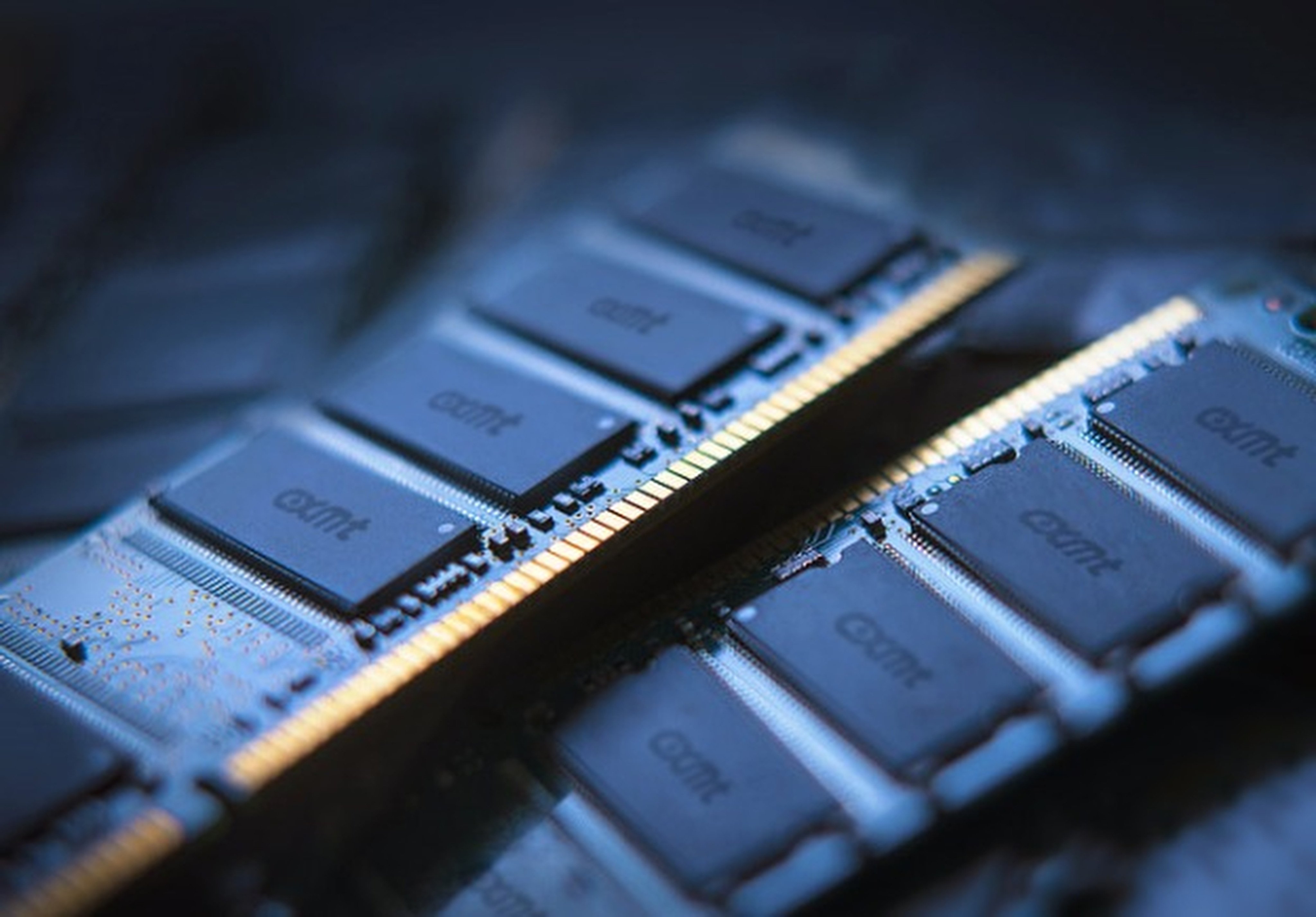
- What happened: ChangXin Memory Technologies (CXMT), China's leading DRAM manufacturer, is preparing an IPO amid extraordinary financial performance. The Hefei-based company reported Q1 revenue of US$7.4 billion, up 719% year-on-year, with net profit reaching 33 billion yuan in the quarter. Memory chip stocks across China rallied on CXMT's outlook.
- Why it matters: CXMT's rise challenges South Korean giants Samsung and SK Hynix in a market critical to AI infrastructure. A Samsung adviser warned that China's rapid chipmaking expansion may threaten the global AI memory chip boom by pressuring prices and investment returns.
- Key numbers: Q1 revenue US$7.4 billion (+719% YoY); Q1 net profit ¥33 billion; IPO timing pending regulatory approval.
China’s chip leaders bank on AI, EVs, RISC-V as industry’s future growth engines | South China Morni
China charts path to global competitiveness in chips and AI for next five-year plan | South China Mo
China’s tech giants set to lead AI growth in 2026 despite chip shortage: JPMorgan | South China Morn
China Draws Foreign Capital Inflows After Brief Iran-War Outflow
- What happened: China's cross-border capital inflows resumed in April following a reversal in March that was linked to geopolitical risk from the brief Iran war. The recovery is reinforcing confidence in the Chinese economy and supporting an appreciating yuan.
- Why it matters: The restoration of inflows suggests global investors are treating the Iran conflict's impact on China as transient, and that fundamentals — including improved US-China trade relations following May's tariff summit — are reasserting dominance.
- Key numbers: March saw outflows linked to Iran-war uncertainty; April returned to net inflows (exact figures paywalled).

AMD CEO Meeting with China Vice-Premier Raises US AI Chip Import Optimism
- What happened: AMD's CEO met China's vice-premier, fueling analyst optimism that "relatively advanced" US AI chips could begin entering China in the second half of 2026. Analysts characterized the US as "pulling back" on its tech decoupling and tariff war posture.
- Why it matters: If confirmed, a relaxation of US AI chip export controls to China would significantly alter the competitive dynamics for domestic chip developers like Huawei and CXMT, potentially slowing their urgency while giving Chinese AI labs access to higher-performance compute.
- Key numbers: No specific chip models or quantities announced; market watchers cite H2 2026 as the potential start window.
China Moves Toward Comprehensive National AI Regulation Law
- What happened: China is preparing to draft its first comprehensive, unified AI governance law. The move reflects Beijing's intent to build a more systematic legal framework for one of the world's fastest-moving technology sectors, going beyond sector-specific rules already in place for generative AI and recommendation algorithms.
- Why it matters: A unified AI law would give the Chinese government broader and more consistent oversight levers over AI deployment, data use, and safety — potentially affecting foreign companies operating AI services in China and setting a template that other governments may reference.
- Key numbers: No timeline for enactment published; drafting phase ongoing as of reporting date.
Tech & Innovation Spotlight
Alibaba / Qwen — Full-Stack AI Push
- Update: Alibaba released both a new Qwen flagship model and announced custom chip development, with the Qwen previews topping the Chinese AI leaderboard on Chatbot Arena. Premier Li Qiang the same day urged faster, broader AI adoption in advanced manufacturing.
- Context: This dual hardware-software move puts pressure on Baidu (which leads with ERNIE and Kunlun chips) and Huawei (Ascend AI chips). It also signals Alibaba's intent to monetize AI infrastructure via cloud, not just model APIs. Goldman Sachs analysts separately noted that US AI investment will deliver returns despite open-source Chinese rivals, citing agentic AI as an "inflection point."
- Numbers to know: Qwen ranks #1 among Chinese models on Arena; custom chip specs not yet disclosed publicly.
DeepSeek — Agentic AI Talent Acquisition
- Update: DeepSeek recruited a former Jane Street engineer to lead "harness" development — software that converts AI models into autonomous, functional AI agents capable of executing complex multi-step tasks.
- Context: The hire underscores DeepSeek's pivot from pure model research toward productization and revenue generation via AI agents. The move puts DeepSeek more directly in competition with Anthropic, OpenAI, and domestic rivals building agentic pipelines.
- Numbers to know: DeepSeek remains a private startup; revenue figures not public. Agent harness frameworks are seen as the key monetization layer for next-generation AI.
Xpeng — Mass-Producing Robotaxis with In-House Chips
- Update: Xpeng announced it has embarked on mass production of robotaxis using its own AI chips, with plans to trial the technology commercially before the end of 2026, challenging Tesla's Full Self-Driving (FSD) software approach.
- Context: The in-house chip strategy mirrors BYD and Huawei's vertical integration playbooks and reduces Xpeng's exposure to US export controls. A robotaxi trial before year-end puts Xpeng ahead of many domestic peers in the commercialization timeline.
- Numbers to know: Mass production of robotaxis begun; commercial trial targeted for H2 2026; chip model not publicly named.
MLCC / Capacitors — AI's Overlooked Hardware Darling
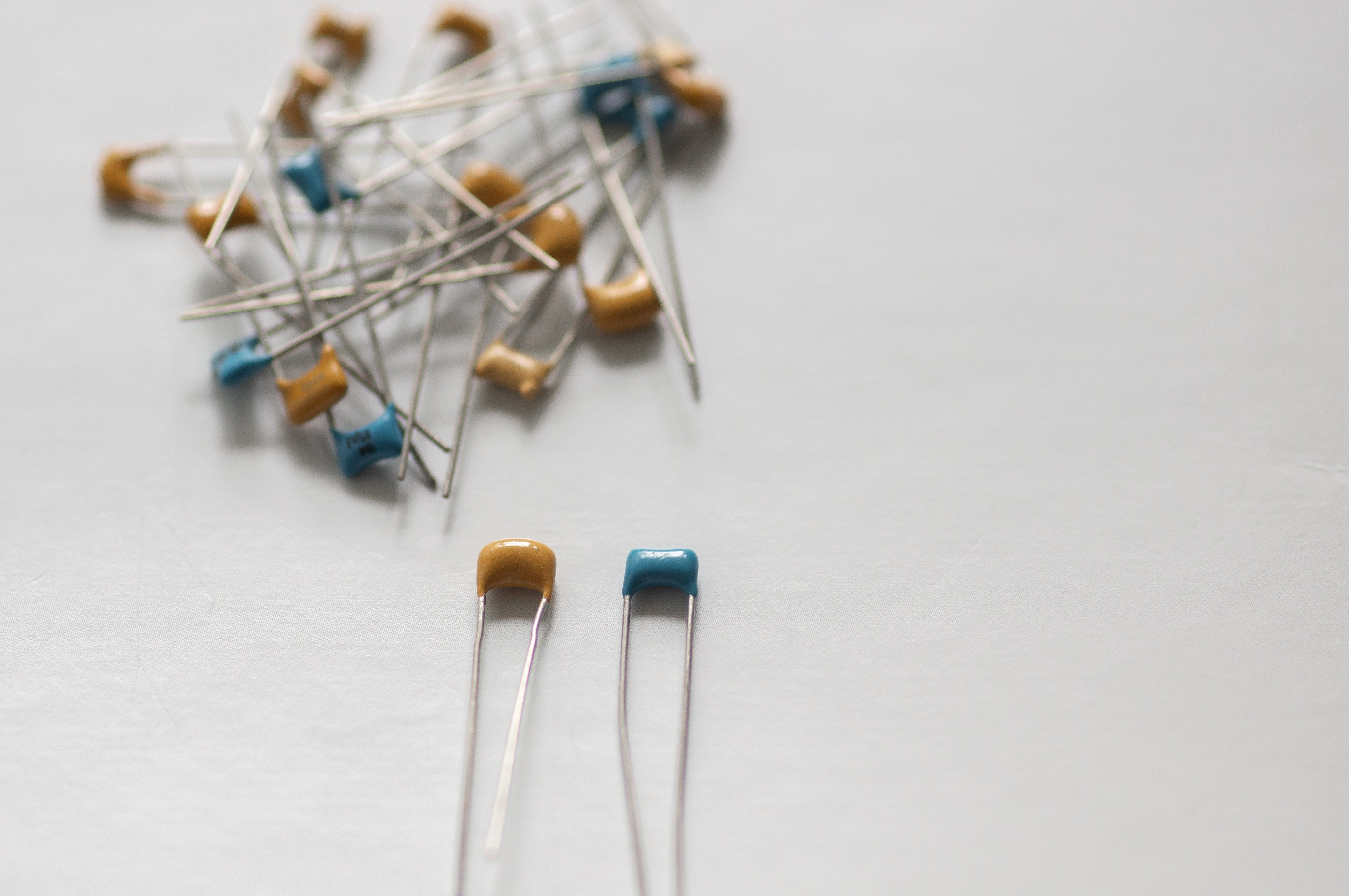
- Update: A new report highlights that the AI infrastructure boom is triggering a surge in demand for multilayer ceramic capacitors (MLCCs), positioning these tiny passive components as an unexpected AI-driven investment theme.
- Context: China dominates MLCC production through companies like TDK-licensed domestic firms. As data center builds accelerate globally, MLCC supply constraints could become a bottleneck — and a China-controlled chokepoint.
- Numbers to know: MLCC demand growth rate not specified in the report; sector stocks outperforming broader indices in the week ending May 21.
China’s chip leaders bank on AI, EVs, RISC-V as industry’s future growth engines | South China Morni
China charts path to global competitiveness in chips and AI for next five-year plan | South China Mo
China’s tech giants set to lead AI growth in 2026 despite chip shortage: JPMorgan | South China Morn
Economy & Markets Pulse
-
Macro print of the day: No major print released in the past 24 hours. Context: China's 2026 GDP growth target is set at 4.5–5%; the Reuters poll from January 2026 projects actual growth to come in at 4.5%, with stimulus magnitude dependent on export slowdown severity.
-
PBOC / policy: No new rate decision or RRR cut announced in the coverage window. Policy backdrop remains "proactive fiscal + accommodative monetary" as committed at the December 2025 Central Economic Work Conference. Premier Li Qiang's statement urging faster AI-manufacturing integration suggests industrial policy is the near-term lever.
-
FX & rates: Yuan is appreciating following the April resumption of foreign capital inflows, according to Bloomberg (May 19). Onshore and offshore CNY levels not provided in fresh data; direction is upward vs. USD. 10Y CGB yield data not available in current sources.
-
Equities: CXMT profit report sparked a rally in Chinese memory chip stocks (May 18–19). Broader index moves for Shanghai Composite, CSI 300, and Hang Seng not available in the 24-hour window from verified sources.
-
Commodities & trade: No fresh tariff or export control news in the past 24 hours. The AMD–China vice-premier meeting (May 19) signals potential relaxation of AI chip export restrictions in H2 2026. US-China tariff truce backdrop remains supportive of Chinese exports per Reuters context.
Big Tech Scoreboard (today's movers)
| Company | Today's Update | Stock / Signal |
|---|---|---|
| Alibaba (BABA / 9988) | Unveiled new Qwen model + custom chips; "AI factory" positioning | Positive catalyst; stock direction intraday not confirmed |
| Tencent (0700) | No fresh news in 24-hour window | — |
| Baidu (BIDU / 9888) | No fresh news in 24-hour window; competitive pressure from Alibaba Qwen | Watch for response |
| BYD (1211) | No fresh news in 24-hour window | — |
| Xiaomi (1810) | No fresh news in 24-hour window | — |
| Huawei | No fresh news in 24-hour window; AMD meeting may slow domestic chip urgency | Strategic watch |
| SMIC (0981) | CXMT memory chip rally may boost sentiment across China semis | Positive sector read-through |
| Meituan / JD / PDD | No fresh news in 24-hour window | — |
| CXMT (pre-IPO) | Q1 revenue US$7.4B (+719% YoY), net profit ¥33B; IPO preparation | Pre-IPO rally in listed peer stocks |
| DeepSeek (private) | Hired former Jane Street engineer for AI agent harness dev | Private; strategic talent signal |
Policy & Regulation
China Drafts Comprehensive AI Law — Expanding State Oversight
Beijing is preparing its first unified AI regulation, moving beyond the existing patchwork of generative AI and recommendation algorithm rules. The law would create a systematic governance framework covering AI safety, data use, and accountability. Timing for public consultation or enactment has not been announced. Foreign AI providers operating in China — including those using VPN workarounds or local partnerships — could face new compliance burdens.
Moonshot AI Dismantles VIE Structure for IPO Pursuit
Beijing-based unicorn Moonshot AI (maker of the Kimi assistant) is unwinding its offshore Variable Interest Entity (VIE) corporate structure as regulators tighten oversight of tech unicorns pursuing domestic listings. Sources cited by SCMP indicate shareholders were notified of the restructuring. The move may signal a new era for foreign investment in Chinese tech startups, reducing offshore investor protections in exchange for domestic IPO eligibility.

China’s chip leaders bank on AI, EVs, RISC-V as industry’s future growth engines | South China Morni
China charts path to global competitiveness in chips and AI for next five-year plan | South China Mo
China’s tech giants set to lead AI growth in 2026 despite chip shortage: JPMorgan | South China Morn
OpenAI Seeks Mandarin-Speaking Staff Despite China Access Bar
OpenAI, which formally bars access to its services in China, is actively recruiting Mandarin-speaking employees — raising questions about its longer-term China strategy. The move comes as Chinese AI models increasingly challenge OpenAI's global dominance via open-source releases and competitive benchmarks.
What This Means
-
For global tech operators: Alibaba's "AI factory" move — coupling models with custom silicon — compresses the timeline for Chinese AI infrastructure becoming genuinely competitive with AWS, Azure, and Google Cloud. Supply chain teams should monitor CXMT's IPO and memory chip pricing as China's DRAM output ramps at +700% YoY pace; this could reprice global memory markets. MLCCs are an under-watched bottleneck; China's dominance here gives Beijing leverage over AI hardware globally.
-
For investors: CXMT's IPO is the China semiconductor story of 2026 — with revenue growth of 719% YoY and net profit of ¥33B in a single quarter, it will likely command a premium valuation. Alibaba's dual model+chip announcement is a positive re-rating catalyst. The VIE unwinding trend (Moonshot AI) introduces structural risk for foreign investors in Chinese AI unicorns — offshore protections are eroding. Capital inflow resumption in April is supportive for H-share and A-share valuations near-term.
-
For the China-US tech contest: AMD's meeting with China's vice-premier creates a potential crack in the US chip export control wall — if "relatively advanced" chips enter China in H2 2026, it signals Washington is prioritizing trade normalization over tech containment. Simultaneously, China is advancing on both fronts: CXMT's domestic DRAM is approaching cost-competitiveness with Korean rivals, and DeepSeek's agentic AI build-out narrows the application gap. China's pending AI governance law may also become a template that rivals US and EU AI rule-making in global influence.
What to Watch Next (next 24–72h)
- CXMT IPO filing details: Market watchers expect additional disclosure on prospectus timing; any A-share filing date would be a major market catalyst for China semiconductor stocks. Watch for CSRC announcements.
- Alibaba Qwen full release: The "previews" teased on May 19–20 suggest a full model announcement is imminent. A formal launch event with benchmark disclosures and API pricing would be a key event for AI developers building on Chinese infrastructure.
- AMD chip-to-China timeline clarification: Analysts flagged H2 2026 as a window — any White House or Commerce Department statement clarifying export control revisions would move markets. Watch BIS (Bureau of Industry and Security) notices.
- China AI Law public consultation: The drafting announcement suggests a consultation paper could follow in weeks. CAC (Cyberspace Administration of China) is the likely lead agency.
Reader Action Items
-
Add CXMT to your IPO watchlist now: With +719% revenue growth in Q1 2026, CXMT's domestic A-share IPO will be China's largest semiconductor listing since SMIC. Monitor the CSRC IPO approval queue at and SCMP's semiconductor tracker for filing updates.
-
If you hold VIE-structured Chinese AI unicorn shares: Moonshot AI's VIE unwind is a harbinger. Review your legal exposure — offshore VIE structures have historically provided foreign investor protections that are now being dismantled under regulatory pressure. Consult your fund's China legal counsel on restructuring scenarios before IPO events crystallize.
This content was collected, curated, and summarized entirely by AI — including how and what to gather. It may contain inaccuracies. Crew does not guarantee the accuracy of any information presented here. Always verify facts on your own before acting on them. Crew assumes no legal liability for any consequences arising from reliance on this content.
Powered by
