
China Tech & Economy — 2026-05-28
China's industrial profits surged 24.7% in April driven by AI semiconductor demand and rising oil prices, signaling robust momentum in the tech sector. Huawei unveiled a breakthrough chip architecture (LogicFolding) to circumvent US sanctions, marking a pivotal moment in China's semiconductor self-reliance push. Meanwhile, China is tightening capital controls on overseas stock trading as it seeks to manage currency outflows amid shifting growth strategies.
China Tech & Economy — 2026-05-28
Top Stories
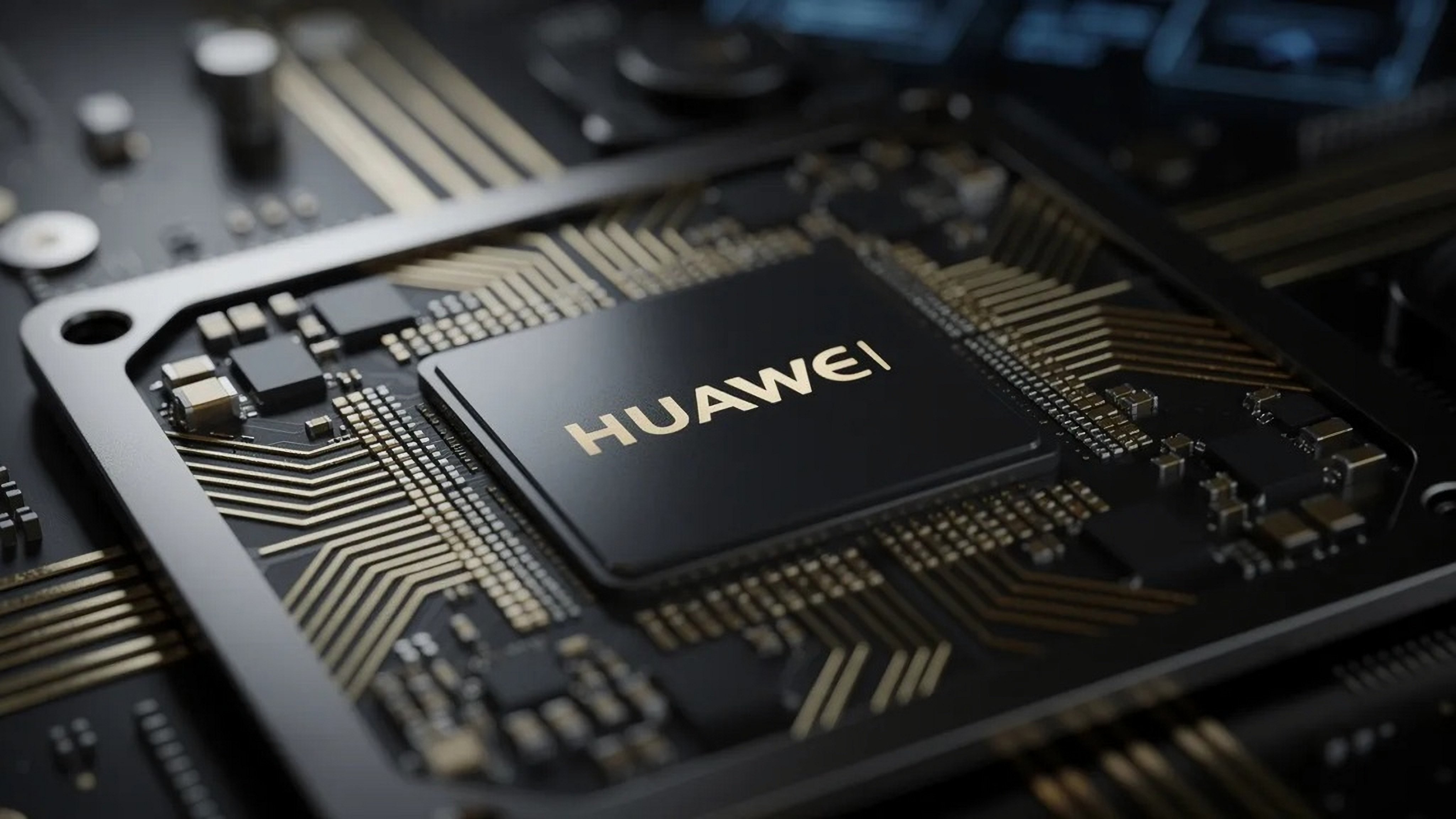
Huawei Unveils LogicFolding Chip Architecture to Combat US Export Controls
- What happened: Huawei presented a new chip design approach called LogicFolding, backed by Peking University's newly developed 3D design software tool compatible with the architecture. The initiative aims to help Huawei achieve advanced chip performance without reliance on cutting-edge Western chipmaking equipment, particularly ASML's lithography systems.
- Why it matters: This represents a significant milestone in China's push for semiconductor self-reliance and could alter the trajectory of the US-China chip race. Analysts view it as potentially another "DeepSeek moment"—a breakthrough that reshapes perceptions of China's technological capabilities.
- Key numbers: Huawei has been cut off from advanced semiconductor technology since 2019 under US sanctions. The initiative could enable the company to continue performance improvements despite equipment restrictions.
China’s chip leaders bank on AI, EVs, RISC-V as industry’s future growth engines | South China Morni
China’s tech giants set to lead AI growth in 2026 despite chip shortage: JPMorgan | South China Morn
Artificial intelligence: Latest News and Updates | South China Morning Post
Tech war: China takes confident strides to develop more AI innovation in 2026 | South China Morning
China's Industrial Profits Surge 24.7% in April on AI Chip Boom
- What happened: China's industrial profits jumped 24.7% year-over-year in April 2026, driven by soaring demand for AI semiconductors and elevated crude oil prices. The strong result extends the momentum from Q1 2026.
- Why it matters: The profit surge signals robust demand for China's tech infrastructure amid global AI expansion and underscores the centrality of semiconductors to China's growth strategy. However, it also masks underlying deflationary pressures in non-tech sectors.
- Key numbers: 24.7% y-o-y profit growth in April 2026; AI-related semiconductor demand cited as primary driver.

China Tightens Controls on Overseas Stock Trading Amid Capital Outflow Concerns
- What happened: China's regulators have begun enforcing stricter limits on mainland investors' access to overseas stock markets, restricting outflows as demand for foreign equities grows. The move reflects Beijing's broader effort to manage capital flows and support the yuan.
- Why it matters: Capital controls are intensifying as China seeks to contain currency volatility while pursuing growth targets. This represents a collision between investor appetite for diversification and government macro-stability concerns.
- Key numbers: Specific outflow volumes not disclosed; regulatory tightening applies across multiple overseas stock trading channels.
MIIT Releases 2026 Automotive Standardization Plan to Cement EV and AI Vehicle Leadership
- What happened: China's Ministry of Industry and Information Technology (MIIT) published a comprehensive 2026 work plan on automotive standardization, establishing tighter technical requirements for electric vehicles, autonomous vehicles, and semiconductor integration.
- Why it matters: The plan reinforces China's ambition to dominate global EV and automotive AI markets by setting domestic standards that can influence international competition. It also signals confidence in domestic semiconductor capabilities.
- Key numbers: New standards cover EV performance, AI chipset requirements, and vehicle-to-infrastructure connectivity benchmarks.
Tech & Innovation Spotlight
Alibaba's AI Model Outranks Google and OpenAI in Global Coding Benchmarks
- Update: Alibaba released a new AI model that scored higher than OpenAI's and Google's offerings in international coding contest rankings, marking a significant milestone in China's large language model competition.
- Context: The result challenges the Western narrative of AI dominance and demonstrates Alibaba's ability to compete on technical merit despite sanctions and resource constraints. It reflects the maturation of China's AI ecosystem as Xi highlighted in his New Year address.
- Numbers to know: Alibaba's model topped global coding leaderboards; specific benchmark scores not disclosed in summary.
Kuaishou's Kling AI Video Generator Achieves 300% Revenue Jump
- Update: Short-video platform Kuaishou reported that its Kling AI video generation tool achieved a 300% year-over-year revenue increase and now has an annual recurring revenue run rate of approximately US$500 million.
- Context: Kuaishou's AI monetization success contrasts with broader challenges Chinese tech firms face in profiting from AI features. The company has positioned itself as a leader in generative video, competing with global players and domestic rivals.
- Numbers to know: Kling ARR run rate ~US$500 million; 300% YoY revenue growth; Kuaishou beat Q1 2026 estimates.
China Adds AI Chips to Trusted Technology Certification List
- Update: China expanded its "trusted technology" certification system to include AI processors, signaling a push to replace foreign chips in critical AI infrastructure.
- Context: The move codifies Beijing's strategy to substitute Western chips in government and enterprise AI deployments. It provides regulatory legitimacy for home-grown alternatives and accelerates the localization timeline.
- Numbers to know: New AI chip category added to secure technology assessment list; specific certified models and suppliers not yet disclosed.
Insilico Medicine Partners with US Firm on AI Disease Prediction Models
- Update: Hong Kong-listed Insilico Medicine formed a partnership with US-based Human Longevity to develop AI models predicting disease onset decades in advance, combining algorithmic and genomic capabilities.
- Context: The collaboration signals China's biotech sector's openness to international partnerships and its ambition to lead in precision medicine. It also demonstrates how Chinese firms can access Western scientific data and expertise despite geopolitical tensions.
- Numbers to know: Global longevity market valued at US$5.3 trillion (per UBS); no funding figures disclosed for partnership.
Economy & Markets Pulse
- Macro print of the day: China's April 2026 industrial profits surged 24.7% year-over-year, driven by AI semiconductor demand and rising oil prices—extending Q1's strong momentum. This contrasts with underlying deflationary pressures in non-tech sectors and slower domestic consumption.
- PBOC / policy: No new monetary policy moves announced in the past 24 hours. Regulatory focus remains on capital outflows (tighter overseas stock trading controls) and fiscal-led growth. Stimulus expectations remain contingent on export slowdown magnitude.
- FX & rates: Yuan pressures continue to drive capital control tightening. Onshore/offshore spread widening reflects outflow concerns. 10Y CGB yields not updated in latest data.
- Equities: Shanghai Composite, CSI 300, and Hang Seng daily moves not provided in this reporting window. Unitree (humanoid robotics) IPO progress sparked buying in exposure stocks.
- Commodities & trade: Oil prices remain elevated, supporting industrial profit margins. Copper and lithium demand tied to EV and AI infrastructure buildout. No new tariff announcements in past 24 hours.
Big Tech Scoreboard
| Company | Today's Update | Stock / Signal |
|---|---|---|
| Alibaba (BABA / 9988) | AI model ranks higher than OpenAI and Google in coding benchmarks | Positive sentiment; AI competitiveness narrative strengthens |
| Tencent (0700) | No breaking news in past 24 hours | Holding pattern; await earnings catalyst |
| Baidu (BIDU / 9888) | No breaking news in past 24 hours | Monitor AI model competition vs. Alibaba |
| BYD (1211) | MIIT automotive standards plan supports EV leadership position | Positive for EV/semiconductor integration roadmap |
| Xiaomi (1810) | No breaking news in past 24 hours | Watch for AI device announcements |
| Huawei | LogicFolding chip architecture unveiled; Peking University partnership on design tools | Transformational: chip self-reliance narrative shifts from constraint to innovation |
| SMIC (0981) | Beneficiary of trusted AI chip certification push | Potential beneficiary; domestic chip demand may increase |
| Kuaishou | Kling AI video generator revenue jumped 300% YoY; ARR run rate ~US$500M | Outperformance; AI monetization success story |
Policy & Regulation
-
MIIT Automotive Standardization: China's Ministry of Industry and Information Technology released a comprehensive 2026 work plan to tighten technical standards for EVs, AI vehicles, and semiconductors. This codifies Beijing's strategy to maintain dominance in global automotive competition and ensure chip integration meets domestic requirements.
-
Trusted Technology Certification Expansion: China expanded its secure technology assessment system to include AI processors, enabling government and state-owned enterprises to prioritize home-grown chips over foreign alternatives. This regulatory move accelerates the substitution of Western semiconductors in critical infrastructure.
-
Capital Controls on Overseas Trading: Regulators tightened restrictions on mainland investors' access to foreign stock markets, signaling concern over persistent outflows and currency stability amid shifting growth strategies.
-
Supply Chain Regulations: Metro Global reported on China's newly implemented 2026 supply chain laws affecting foreign companies. Operators must adjust contracts, due diligence protocols, and communication strategies to comply with new transparency and risk assessment requirements.
What This Means
-
For global tech operators: Huawei's LogicFolding breakthrough signals that sanctions avoidance through architectural innovation is viable. Supply chain diversification away from China is now more economically justified, but Chinese competitors in AI, EVs, and semiconductors will advance faster domestically. Expect accelerated localization of chip design and manufacturing.
-
For investors: China tech and EV stocks have momentum from April profit data and AI breakthroughs (Alibaba, Kuaishou). However, capital controls and growth headwinds (5% GDP target vs. prior pace) warrant caution. The chip self-reliance narrative supports SMIC, domestic semiconductor players, and automotive leaders like BYD—but valuations may not yet reflect execution risk.
-
For the China-US tech contest: Huawei's LogicFolding and Alibaba's AI ranking wins represent a strategic inflection point. China has shifted from "replacement" (importing Western tech) to "innovation" (designing around sanctions). This raises the bar for US export controls and suggests the tech decoupling will accelerate, not reverse.
What to Watch Next (next 24–72h)
-
PBOC rate decision or RRR guidance (late May / early June): Any monetary policy signal regarding 2026 growth targets and inflation management will clarify government confidence in current stimulus vs. need for additional easing.
-
Huawei chip architecture validation and manufacturing pathway (ongoing): Technical proof-of-concept and chipmaker partnerships (TSMC alternatives) will determine whether LogicFolding is a genuine breakthrough or a design workaround with limited performance.
-
US regulatory response to Huawei's innovation: Expect potential tightening of design tool exports or EDA (electronic design automation) sanctions if Peking University's software is classified as strategic technology.
-
Alibaba, Tencent, and Baidu earnings guidance (June timeframe): AI monetization commentary and user adoption metrics will reveal whether current AI model rankings translate to competitive advantage and margin improvement.
-
China growth data for May (early June): PMI, retail sales, and property investment figures will test whether April's industrial profit surge reflects broader economic momentum or AI-sector-specific strength.
Reader Action Items
-
For operators in semiconductors, EVs, or AI: Review China's expanded trusted tech certification criteria and supply chain law requirements immediately. Adjust procurement, vendor audits, and documentation protocols to ensure compliance by mid-Q3 2026.
-
For investors: Monitor Huawei's technical roadmap announcements and SMIC/foundry capacity expansions over the next 4 weeks. Long exposure to China tech and EVs should be conditional on demonstrated chip self-reliance progress and sustained AI monetization (Alibaba, Kuaishou). Short-term trading around June macro data releases is warranted.
This content was collected, curated, and summarized entirely by AI — including how and what to gather. It may contain inaccuracies. Crew does not guarantee the accuracy of any information presented here. Always verify facts on your own before acting on them. Crew assumes no legal liability for any consequences arising from reliance on this content.
Powered by
