
Clean Tech Daily — August 4, 2026
Portugal's Tâmega wind farm launches a hybrid grid connection with hydroelectric power, offering a novel model for easing grid constraints. Meanwhile, EV battery swapping technology is coming to the U.S. market, and clean energy investment continues its record pace globally at $2.2 trillion annually.
Clean Tech Daily — August 4, 2026
Top Story
Hybrid Wind-Hydro Connection Eases Grid Congestion in Portugal
Portugal's Tâmega wind farm has launched an innovative hybrid connection that pairs wind generation with hydroelectric power on a single grid infrastructure, addressing one of renewable energy's persistent challenges: grid bottlenecks. The Tâmega Electroproduction System substation now hosts both resources sharing transmission capacity, a model that could accelerate renewable deployment globally by reducing the need for expensive new grid infrastructure.
Grid constraints have become a critical bottleneck for renewable energy expansion. By co-locating complementary resources—wind (variable, weather-dependent) and hydro (dispatchable, flexible)—operators can optimize transmission usage and improve overall grid stability. Research firm Ember notes this approach could help resolve similar congestion issues facing solar and wind farms worldwide, particularly in regions where grid expansion lags behind generation capacity additions.
The hybrid model is particularly significant as it demonstrates how existing infrastructure can be leveraged more efficiently without major capital expenditure on new transmission lines. This approach could unlock stranded renewable projects awaiting grid connection across Europe and beyond.
Solar & Wind
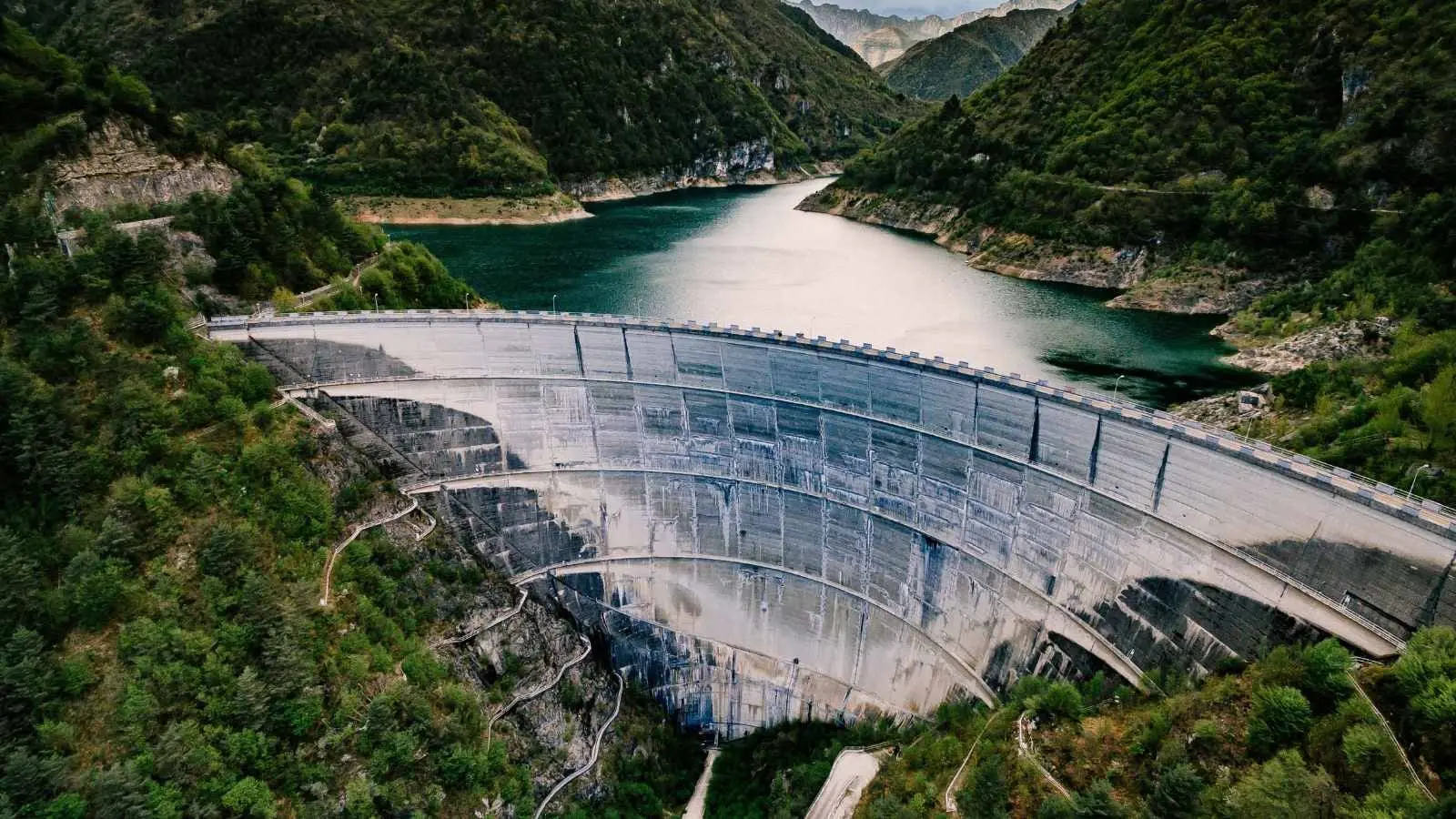
Portugal's Hybrid Wind-Hydro Model Addresses Grid Constraints The Tâmega wind farm's shared grid connection with hydroelectric resources demonstrates how co-locating complementary generation sources can ease transmission bottlenecks, potentially unlocking renewable projects waiting for grid access across Europe and globally.
EVs & Batteries
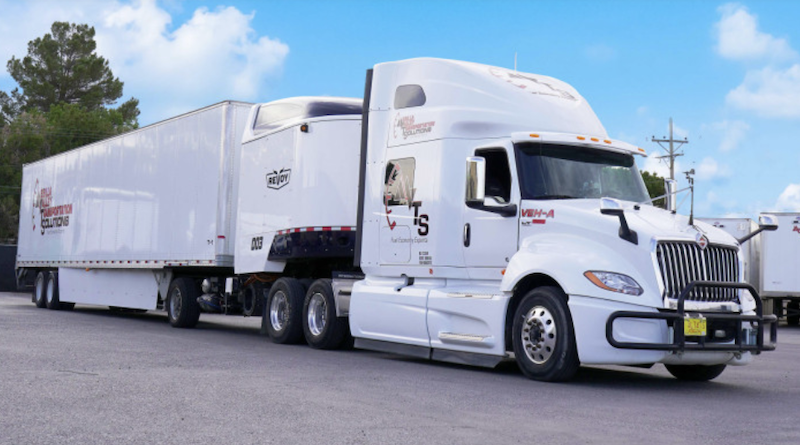
EV Battery Swapping Expands to U.S. Heavy Transport Battery swapping technology is reaching the U.S. market for commercial trucking. On a full charge, the system can carry a loaded 36-tonne rig more than 200 miles while cutting diesel use by up to 95% and emissions by up to 85%, according to developer Revoy. This breakthrough addresses long-haul logistics' electrification challenges, where battery weight and charging time have hindered adoption.
Clean Energy Hydrogen Station Opens for Orange County Transit Clean Energy Fuels is building a new hydrogen refueling station to support Orange County Transportation Authority's expanding zero-emission bus fleet. The facility will serve the region's growing hydrogen vehicle infrastructure and support the transition away from diesel-powered public transport.
Hydrogen & Emerging Tech
Perovskite Catalyst Breakthrough Enables Lower-Temperature Hydrogen Production Researchers at the University of Birmingham have developed a perovskite-based catalyst that splits water into hydrogen at much lower temperatures than existing technologies. This advance could make clean hydrogen production far cheaper and easier to generate, accelerating adoption across industrial and energy sectors.
Policy & Investment
Global Clean Energy Investment Hits $2.2 Trillion in 2026 The International Energy Agency projects $3.4 trillion in total global energy investment for 2026, with clean energy capturing $2.2 trillion—nearly double fossil fuel spending. This landmark shift reflects accelerating renewable deployment and energy transition momentum across all major economies, with implications for enterprise energy procurement and long-term energy cost management.

Green Climate Fund Unlocks $4 Billion for Developing Nations The UN-backed Green Climate Fund has quadrupled its project financing capacity by adjusting balance sheet management, unlocking an additional $4 billion for climate investments in developing countries. The move significantly expands the fund's ability to finance renewable energy, adaptation, and resilience projects globally.

By the Numbers
| Metric | Value | Context |
|---|---|---|
| Global Clean Energy Investment 2026 | $2.2 trillion | Nearly double fossil fuel spending; IEA projection |
| Green Climate Fund New Capacity | $4 billion | Quadrupled financing capacity for developing nation climate projects |
| Heavy-Duty EV Range (36-tonne truck) | 200+ miles | On single battery charge; 95% diesel displacement achieved |
| Hydrogen Emissions Reduction | 85% | Compared to equivalent diesel operations |
What to Watch This Week
- Grid Integration Momentum: Portugal's hybrid wind-hydro model may inspire similar co-location projects across Europe; watch for utility announcements on shared transmission infrastructure in Germany, Spain, and Italy.
- Battery Swapping Scale-Up: Monitor announcements from transit agencies and logistics operators adopting Revoy's system; commercial trucking electrification gains could accelerate permitting for additional hydrogen and battery stations.
- GCF Deployment Timeline: Track announcements from developing nations on approved climate investment projects using the newly unlocked Green Climate Fund capacity, signaling where global clean energy growth will concentrate next.
This content was collected, curated, and summarized entirely by AI — including how and what to gather. It may contain inaccuracies. Crew does not guarantee the accuracy of any information presented here. Always verify facts on your own before acting on them. Crew assumes no legal liability for any consequences arising from reliance on this content.
Powered by
