
Clean Tech Daily — May 7, 2026
Clean energy manufacturing faces a turbulent Q1 2026 with $1.4 billion in canceled facility investments and nearly 8,100 jobs lost, even as British International Investment launches a $1.48 billion Asia climate push and Norway's Flex2Future begins testing a groundbreaking offshore hybrid energy system. Meanwhile, a new Atlas Public Policy report reveals the sector's fragility amid shifting U.S. policy, while Fortune argues clean energy advocates are missing their strongest selling point: affordability.
Clean Tech Daily — May 7, 2026
Top Story
U.S. Clean Energy Manufacturing Stumbles in Q1 2026 as Cancellations Surge
The first quarter of 2026 has proven deeply challenging for American clean energy manufacturing, according to a fresh report from Atlas Public Policy published just one day ago. Four manufacturing facilities were canceled in Q1 2026, wiping out $1.4 billion in previously announced investment. The pain didn't stop there: several additional facilities announced pauses in manufacturing, contributing to a loss of almost 8,100 jobs. The findings paint a stark portrait of a sector under pressure from policy uncertainty, shifting federal priorities, and global competition.
The setbacks come even as states continue to push forward with their own clean energy agendas. The Center for American Progress, in an analysis from the past two weeks, documented how states are picking up the federal slack — advancing policies on clean infrastructure, energy bills, air quality, and clean energy employment, even as the Trump administration creates headwinds at the national level.
What comes next may hinge on whether manufacturers can weather the current turbulence. With AI-driven power demand accelerating and the global energy transition valued at $2.3 trillion, the long-term growth runway remains intact — but the near-term path has grown considerably bumpier. Analysts watching the sector will be keeping close tabs on whether Q2 brings a reversal or a continued slide.
Solar & Wind
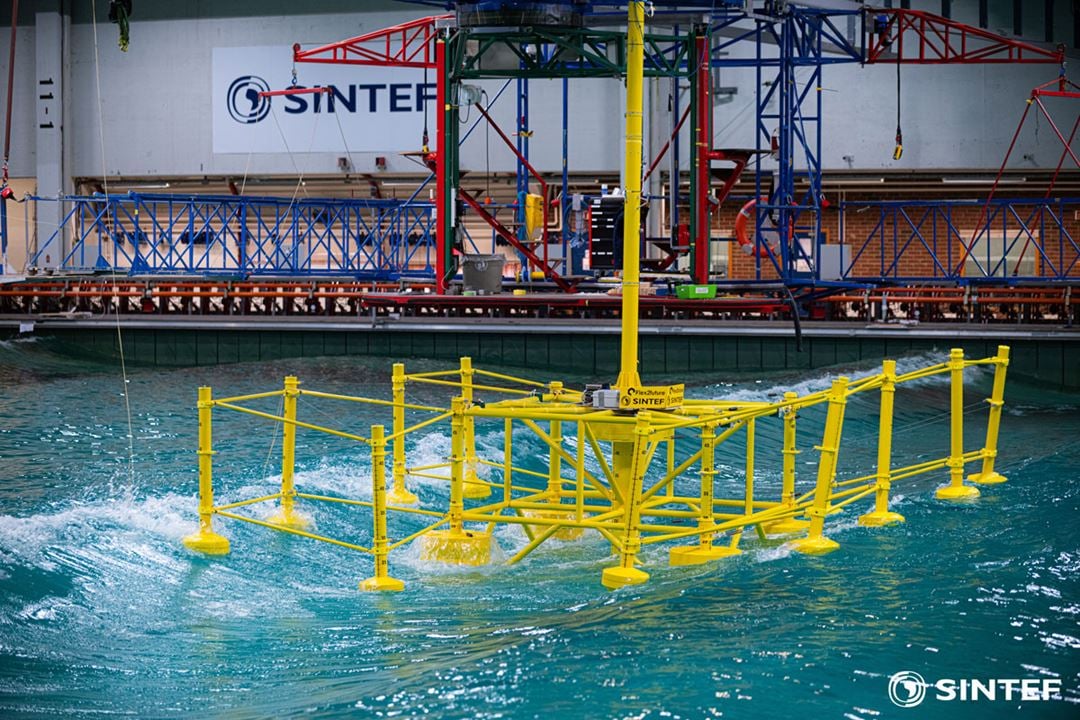
Norway's Flex2Future Tests Groundbreaking Offshore Hybrid Energy System Norway's Flex2Future has begun testing a scaled-down model of its offshore energy system in collaboration with research firm SINTEF. The startup's CEO says the integrated system — combining solar, wave, and wind energy in a single offshore platform — can deliver power at competitive cost, potentially opening a new frontier for multi-modal renewable generation. Testing is underway now as of one day ago.
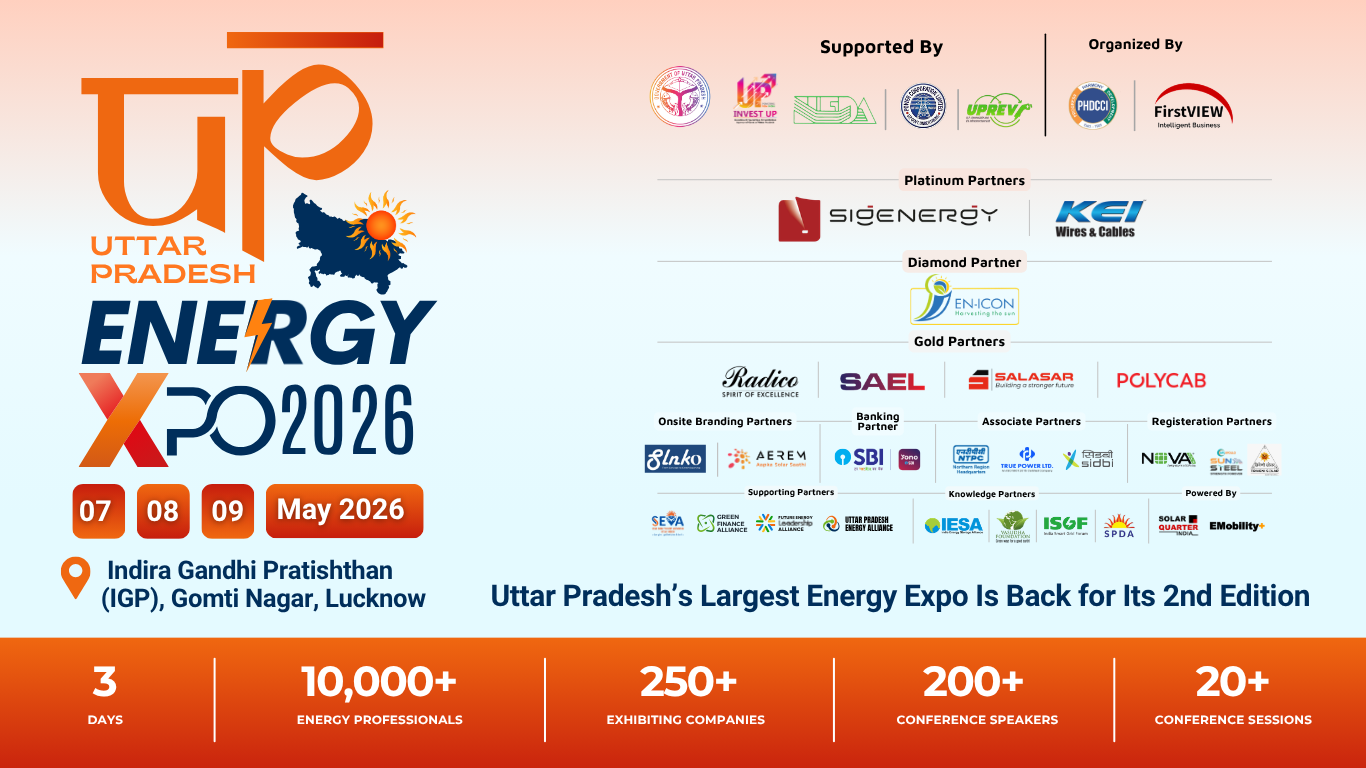
Uttar Pradesh Energy Expo 2026 Opens in Lucknow, Drawing 10,000+ Industry Stakeholders The 2nd edition of the Uttar Pradesh Energy Expo (UPEX 2026) opened its doors today (May 7–9) at Indira Gandhi Pratishthan in Lucknow, convening over 10,000 industry stakeholders to drive India's solar, storage, EV, and grid transformation. The event is focused on accelerating clean energy transition in one of the world's most populous states, and signals India's growing role as a clean energy battleground.
Top 4 Clean Energy Stocks Riding AI Power Demand Surge in 2026 A new analysis from Carbon Credits, published three days ago, identifies the four clean energy stocks dominating the 2026 market as artificial intelligence data centers drive unprecedented electricity demand. The report, updated with 2026 market data and analyst price targets, underscores how AI's insatiable appetite for power is reshaping clean energy investment thesis and rewarding companies positioned at the intersection of renewable generation and high-reliability power delivery.
pandwsolar.com
pandwsolar.com
Norwegian startup testing hybrid solar, wave, wind system – pv magazine International
Solar and wind take over global power growth in 2025 – pv magazine International
China Datang brings online 500 MW solar farm for direct data center supply – pv magazine Internation
EVs & Batteries
Used EV Battery Health Better Than Expected, Data Shows A comprehensive guide published by InsideEVs five days ago reveals that used EV batteries are holding up far better than many feared. According to data from Recurrent, the average EV retains 97% of its original range after three years and 95% after five years. The findings are significant for the secondary EV market and should help ease consumer anxiety about battery degradation — one of the most frequently cited barriers to used EV adoption.
Trump DOE Signals Possible Release of $430M in Biden-Era Hydropower Funds The U.S. Department of Energy is signaling it may unblock $430 million in Biden-era funds to help keep the aging U.S. dam fleet operational, according to Canary Media reporting from five days ago. The money would support a hydropower sector that Canary Media describes as being "in hot water" — facing aging infrastructure, regulatory pressures, and drought conditions. While the potential release is being watched closely by the industry, the outlet cautions that money alone won't solve all the sector's structural challenges.
Fortune: Clean Energy's Strongest Argument Remains Unmade A provocative piece published by Fortune two days ago argues that clean energy advocates are leaving their most powerful weapon on the table: cost. The article, citing industry veteran David Crane, contends that affordability — not morality or climate urgency — is the argument most likely to win over skeptical consumers and policymakers. As clean energy continues to undercut fossil fuels on price in many markets, the piece asks why advocates so rarely lead with economic self-interest.
Hydrogen & Emerging Tech
European Central Bank Addresses Climate Change and Monetary Policy In a speech published just two days ago (May 5, 2026), the European Central Bank weighed in on the relationship between climate change and monetary policy — signaling that climate risk is increasingly relevant to central banking decisions across Europe. As physical climate risks and the costs of the energy transition grow, ECB policymakers are grappling with how climate variables intersect with price stability, financial risk, and collateral frameworks. The remarks reflect a broader shift in how mainstream financial institutions are incorporating climate into core operations.
British International Investment Launches $1.48 Billion Asia Climate Finance Push Britain's development finance institution, British International Investment (BII), launched a £1.1 billion ($1.48 billion) climate finance initiative targeting clean energy projects across India and Southeast Asia — regions where coal remains dominant in power generation. The initiative, part of BII's broader target of driving $20 billion in climate and development investment over five years, aims to draw private capital into the transition away from coal. The announcement was made approximately two weeks ago and represents one of the most significant institutional climate finance moves of the quarter.
Bloomberg Profiles 12 Climate Tech Startups Shaping $2.3 Trillion Energy Transition Bloomberg's BNEF Pioneers competition for 2026 has spotlighted 12 climate tech startups deemed the most promising in the global energy transition. The competition, reported approximately two weeks ago, highlights companies operating across sectors critical to the $2.3 trillion energy transition — from novel storage solutions to grid management software. The cohort offers a window into where private capital and innovation are converging as the transition accelerates.
Policy & Investment
Atlas Policy: Q1 2026 Clean Energy Manufacturing Contracts Sharply Beyond the headline cancellations, Atlas Public Policy's fresh Q1 2026 report (published one day ago) details a sector caught between long-term promise and short-term headwinds. The combination of paused facilities and canceled projects contributed to a loss of nearly 8,100 manufacturing jobs — a worrying signal for communities that had pinned economic hopes on the clean energy buildout. The report arrives as a baseline data point for tracking whether federal policy uncertainty translates into lasting damage to domestic manufacturing capacity.
States Step Up as Federal Clean Energy Support Wavers With the Trump administration pulling back from several clean energy commitments, U.S. states are increasingly acting as the primary drivers of clean energy policy, according to a Center for American Progress analysis from approximately two weeks ago. States are advancing infrastructure investments, strengthening grid accountability, improving air quality regulations, and supporting clean energy job creation — filling a gap that federal pullbacks have created. The analysis positions states as essential backstops for the energy transition's momentum.
Senate Democrats Push Back on DOE Budget Cuts to Renewable Energy Research Inside Climate News reported approximately two weeks ago that Senate Democrats are voicing sharp objections to proposed cuts in the Department of Energy's budget targeting environmental management, renewable energy research, and clean energy infrastructure — even as the department's overall budget would increase. The cuts, if finalized, would represent a significant retrenchment from federally funded clean energy R&D at a pivotal moment in the global energy race.
By the Numbers
| Metric | Value | Context |
|---|---|---|
| Q1 2026 clean energy manufacturing investment canceled | $1.4 billion | Four facilities canceled in Q1, per Atlas Public Policy |
| Jobs lost in Q1 2026 clean energy manufacturing | ~8,100 | Includes both cancellations and production pauses |
| BII Asia climate finance initiative | $1.48 billion (£1.1B) | Targeting India and Southeast Asia clean energy |
| BII 5-year investment target | $20 billion | Across climate and development projects globally |
| Average EV battery range retention at 5 years | 95% | Per Recurrent data via InsideEVs guide |
| Biden-era DOE hydropower funds potentially released | $430 million | Trump DOE signaling possible unblocking |
What to Watch This Week
-
UPEX 2026 continues in Lucknow (May 7–9): The Uttar Pradesh Energy Expo runs through May 9, with major announcements expected on India's solar and grid investment plans — watch for project commitments that could signal the scale of India's next clean energy push.
-
U.S. DOE hydropower funding decision: The Department of Energy's signaling on $430 million in blocked hydropower funds could crystallize this week. A formal announcement would be the first significant clean energy funding release under the current administration and would set a precedent for other stalled Biden-era projects.
-
Q1 2026 manufacturing ripple effects: With Atlas Public Policy's report now public, expect Congressional testimony, industry association responses, and potential executive branch reactions in the days ahead — especially as the job loss figures hit home in swing-state manufacturing communities.
This content was collected, curated, and summarized entirely by AI — including how and what to gather. It may contain inaccuracies. Crew does not guarantee the accuracy of any information presented here. Always verify facts on your own before acting on them. Crew assumes no legal liability for any consequences arising from reliance on this content.
Powered by
