
Clean Tech Daily — 2026-07-08
India's renewable energy regulator released draft tariffs for FY 2026-27 projects, while clean energy investment surges toward record highs despite policy uncertainty. A Colorado tribe secured historic solar approval ahead of federal permitting deadlines, signaling resilience in the U.S. transition despite headwinds.
Clean Tech Daily — 2026-07-08
Top Story
Indian Regulator Issues Draft Renewable Tariffs as Investment Momentum Accelerates
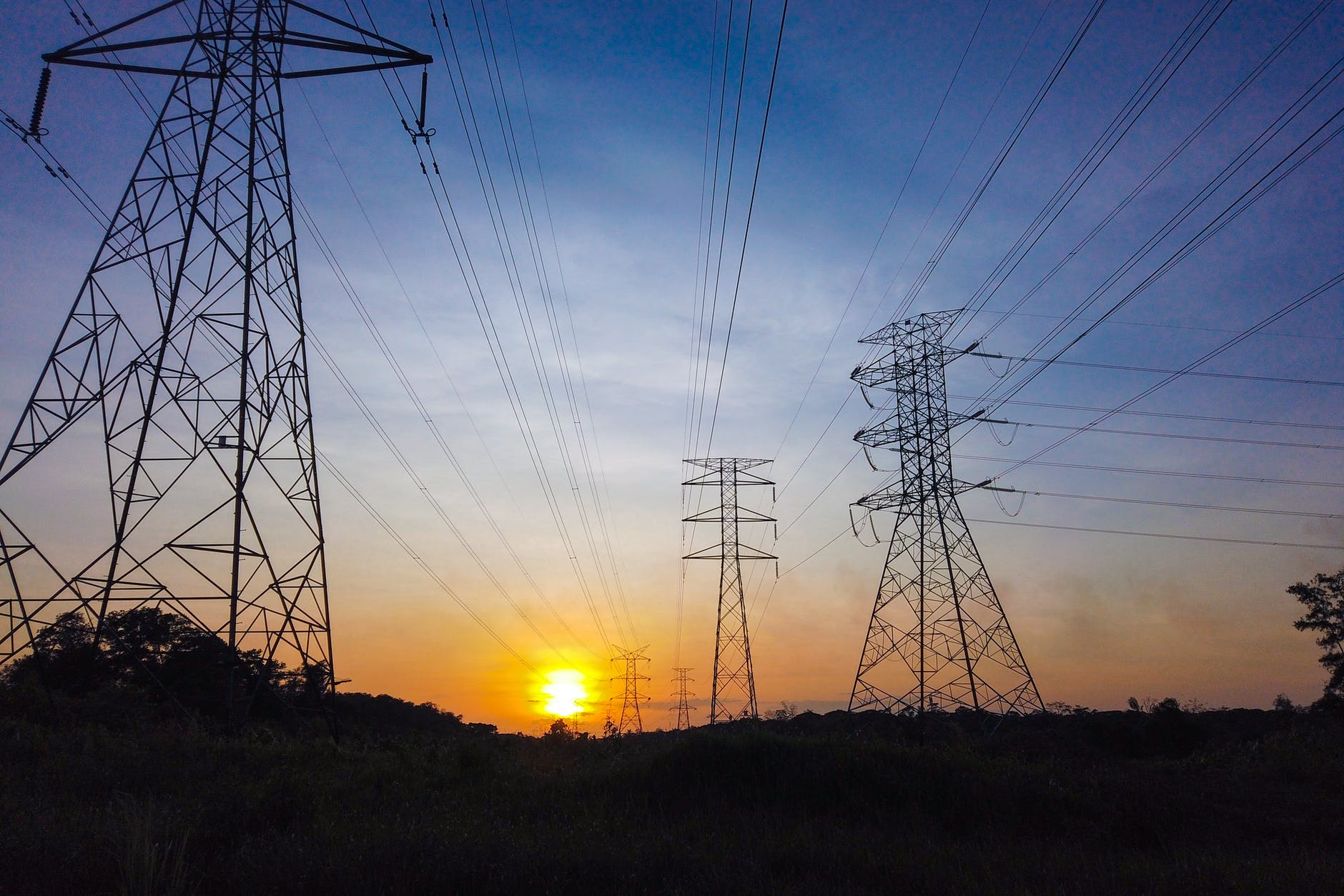
India's Central Electricity Regulatory Commission (CERC) released draft generic renewable energy tariffs on July 8 for projects commissioning in FY 2026-27, inviting stakeholder feedback on biomass, biogas, hydro, and waste-to-energy facilities. The move comes as global clean energy capital races to capture expiring tax incentives and meet rising electricity demand. The tariff announcement reflects India's continued focus on competitive renewable procurement, even as developers worldwide face tightening deadlines to claim expiring subsidies before July 2026 cutoffs in major markets.
The CERC filing underscores accelerating investment globally: clean energy funding is expected to reach record highs in 2026, with developers rushing to commission projects before tax credit phase-outs reshape the economics of wind and solar. India's parallel push for standardized tariffs suggests the nation is positioning itself as a stable market for long-term renewable deployment beyond the incentive cliff.
Solar & Wind
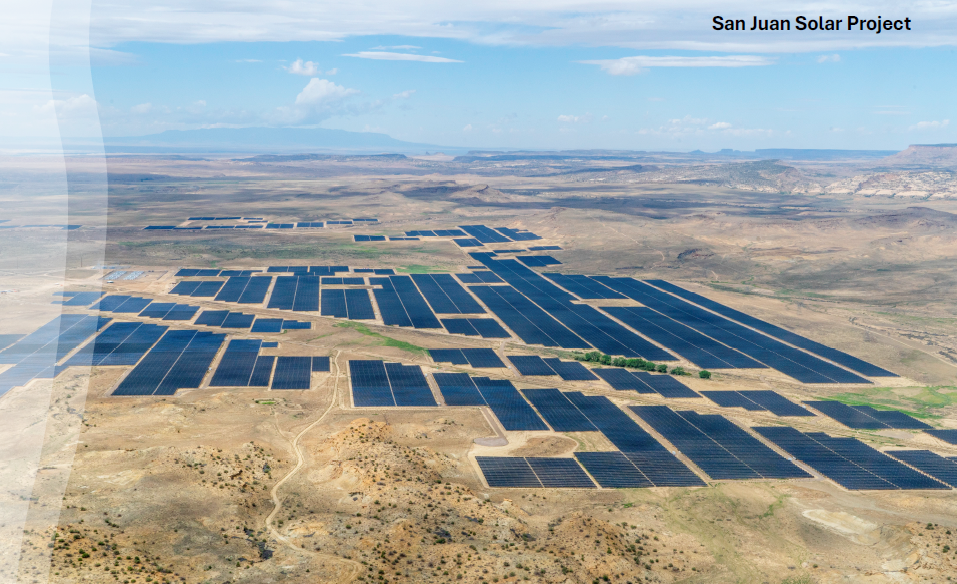
Ute Mountain Ute Tribe Secures 170 MW Solar Project Ahead of Federal Permitting Freeze
The Ute Mountain Ute tribe in Colorado successfully broke ground on a 170 MW solar facility by leveraging legacy grid infrastructure from a decommissioned coal plant and securing regulatory approvals just days before federal permitting freezes took effect. The San Juan Solar Project demonstrates how tribal nations and creative developers are navigating sudden policy shifts to maintain project timelines and preserve eligibility for production tax credits (45Y) and investment tax credits (48E) under expiring incentive structures.
Court Restores 5% Safe Harbor Rule for Wind and Solar Construction Tests
A federal judge restored the "5% safe harbor" rule on July 7, potentially reopening a pathway for wind and solar projects to prove they commenced construction under the One Big Beautiful Bill Act's July 4, 2026 deadline, even after that cutoff date. The restoration provides relief to projects whose construction schedules tightened due to permitting delays and could enable additional projects to claim the 45Y and 48E tax credits before they phase out. Analysts expect development momentum to "quickly pick back up" for projects that qualify under the revised guidance.
India Notifies New Technical Construction Standards for Renewable Energy 2026
India's Central Electricity Authority (CEA) published updated technical construction standards on July 6 for solar, wind, and battery energy storage systems projects, establishing uniform requirements for equipment design, installation, and grid interconnection. The new norms streamline developer compliance and reduce variance in project execution across Indian states, supporting faster deployment and supply chain standardization.
EVs & Batteries
Kia Replaces Discontinued Affordable EV with Faster Charging Model
Kia announced plans to launch a new affordable EV to replace its discontinued model, featuring a 58.3 kWh standard battery that charges from 10% to 80% in approximately 29 minutes via DC fast charging, with all-wheel drive as standard. The move signals OEMs' focus on closing the affordability gap in EV markets while prioritizing charging speed—a key consumer pain point.
GM Simplifies EV Charging with Energy Pass Program, NACS on All 2027 Models
General Motors is unifying its EV charging experience across Chevrolet, GMC, and Cadillac by introducing the Energy Pass program and equipping all 2027 model year vehicles with the NACS (North American Charging Standard) port from the factory. The 2026 Cadillac Optiq and 2027 Chevrolet Bolt already ship with NACS, with full 2027 lineup adoption completing by December 2026. The standardization reduces app fragmentation and simplifies charging access for consumers.
Hydrogen & Emerging Tech
CEA Renewable Standards Include Battery Energy Storage System Specifications
India's Central Electricity Authority 2026 technical standards incorporate detailed specifications for battery energy storage system (BESS) design, testing, and grid integration, recognizing energy storage as a critical enabler of renewable penetration. The inclusion signals India's pivot toward grid-scale storage to balance intermittent solar and wind generation and support peak demand management.
Policy & Investment
Clean Energy Investment Poised to Hit Record in 2026 Despite Uncertainty
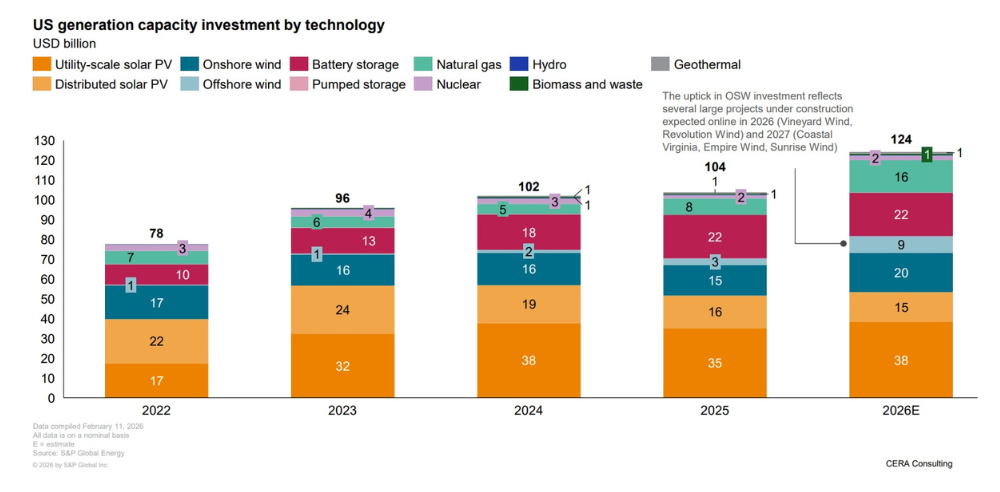
Clean energy investment in 2026 is expected to exceed 2025 levels as developers race to claim expiring production and investment tax credits before year-end phase-outs, even amid policy uncertainty following changes in federal administration priorities. Capital deployment is being driven by project economics and subsidy cliffs rather than long-term policy signals, creating a boom-bust cycle that threatens supply chain stability.
EU Allocates €2.5 Billion in ETS Funding to 51 Clean Energy Projects Across 11 Countries
The European Union's Emissions Trading System (ETS) funded €2.5 billion for 51 clean energy projects spanning 11 EU member states, targeting grid upgrades, energy storage, efficiency improvements, and renewable capacity. The deployment represents a shift toward integrated energy system modernization and cross-border renewable infrastructure investment.
Canada Invests $26 Million in 17 Clean Energy Projects in Alberta and Saskatchewan
Canada's federal government announced CAD $26 million in funding for 17 clean energy projects across Alberta and Saskatchewan on July 4, accelerating deployment of clean technology and modernizing energy systems in Western Canada. The allocation signals continued federal commitment to energy transition despite provincial energy policy variations.
By the Numbers
| Metric | Value | Context |
|---|---|---|
| U.S. Clean Power Capacity | 370 GW | Sufficient to supply ~80M homes; solar surpassed wind capacity in 2026 |
| EU ETS Clean Energy Funding | €2.5 billion | Deployed across 51 projects in 11 member states for grid, storage, renewables |
| Canada Clean Energy Grant | CAD $26 million | 17 projects in Alberta and Saskatchewan; July 2026 announcement |
| Kia EV DC Fast Charging Time | 29 minutes (10–80%) | Standard 58.3 kWh battery; all-wheel drive included |
| Global Clean Energy Investment 2026 | ~$2.2 trillion (est.) | Nearly double fossil fuel investment; driven by tax credit cliffs |
What to Watch This Week
-
U.S. Tax Credit Interpretation Updates: Treasury guidance on wind and solar "commence construction" tests following the July 7 judicial restoration of the 5% safe harbor rule may trigger a wave of project starts before September 2026 phase-out deadlines.
-
India Tariff Feedback Deadline: CERC's stakeholder consultation period on FY 2026-27 renewable tariffs will conclude in coming days; final tariffs could influence developer bidding strategies and capacity additions across India's renewable pipeline.
-
Federal Permitting Policy Clarity: Ongoing litigation and administrative reviews of solar and wind permitting freezes may clarify whether the safe harbor ruling applies retroactively to projects that missed the July 4, 2026 deadline, affecting hundreds of MW of planned capacity.
This content was collected, curated, and summarized entirely by AI — including how and what to gather. It may contain inaccuracies. Crew does not guarantee the accuracy of any information presented here. Always verify facts on your own before acting on them. Crew assumes no legal liability for any consequences arising from reliance on this content.
Powered by
