
Clean Tech Daily — 2026-05-02
US renewables delivered a historic milestone in April as solar and wind generation surpassed natural gas for the first time, while hydropower funding hangs in the balance under the Trump administration. British International Investment unveiled a massive $1.48 billion Asia climate push, and the Anker Solix home battery system debuted with modular AI-driven energy management. Meanwhile, state-level climate action continues to fill the federal policy vacuum.
Clean Tech Daily — 2026-05-02
Top Story
US Renewables Beat Natural Gas in April — A Historic First Despite Federal Headwinds
In a landmark moment for American energy, the United States generated more electricity from renewables including solar and wind than from natural gas last month — a first in the country's history. The development comes despite concerted efforts by the Trump administration to curtail clean energy policies and push for greater fossil fuel output. Experts cited in a Guardian report say the administration's campaign to "crush clean energy progress" is not going to plan, as market forces and falling costs continue to drive the transition forward.
The milestone underscores a broader trend: nine months into the Trump administration's gutting of clean energy policies, US electricity systems keep setting new clean-power records. EIA data projects that 86,370 MW of new clean capacity — including solar, wind, and battery storage — will come online in 2026 alone, with solar generation expected to grow 17% this summer over 2025 levels. A CleanTechnica analysis published April 30 captures the mood of the moment: "The clean energy front is expanding nicely, thank you."
Renewable energy advocates note that clean energy is increasingly driven by economics rather than politics, making it resilient to policy whiplash. The question now is whether federal inaction will slow the pace or whether private capital and state-level mandates will sustain the momentum as the energy transition accelerates.
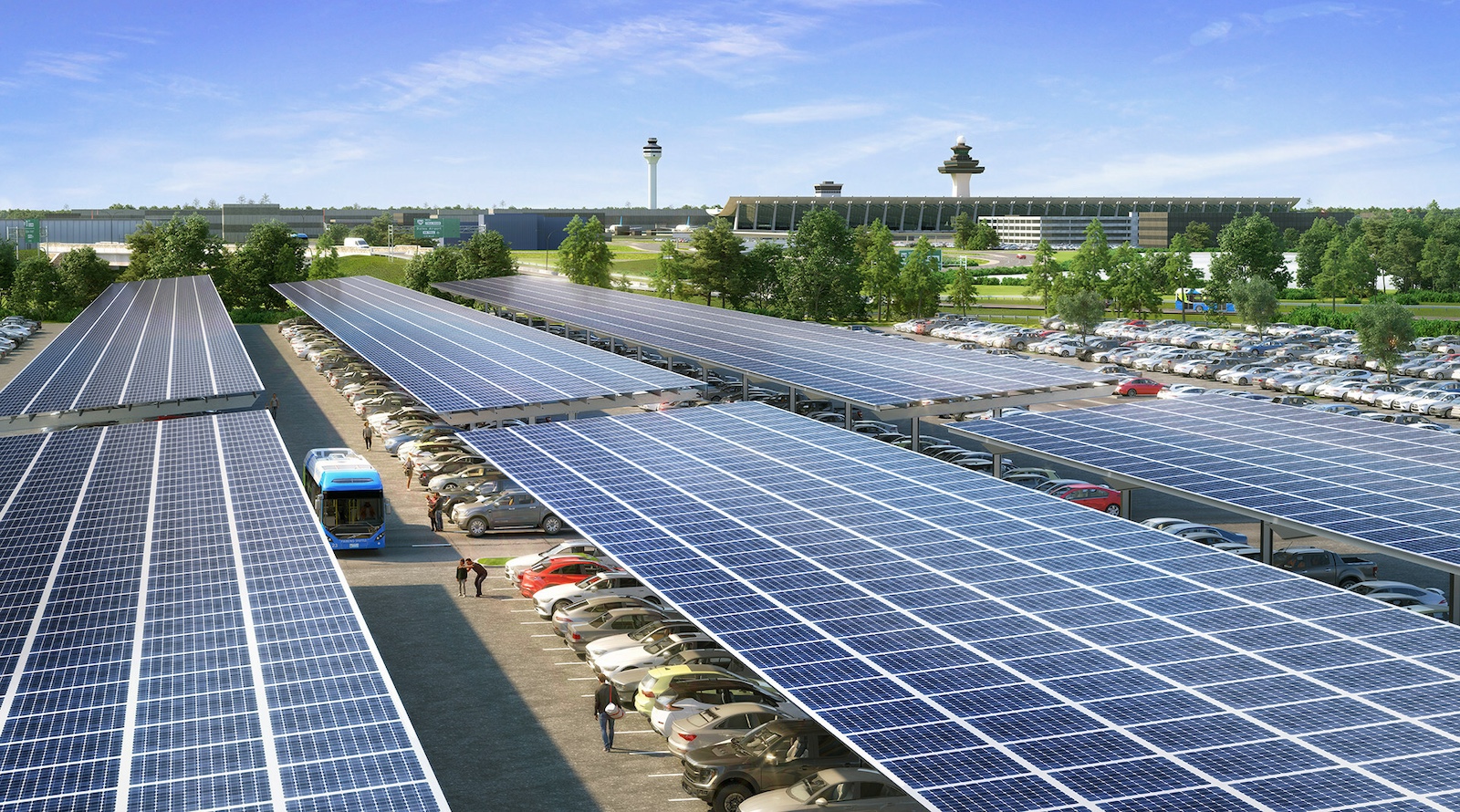
Solar & Wind
EIA Projects 86,370 MW of New Clean Capacity in 2026 The US Energy Information Administration data shows renewables (including small-scale solar) and battery storage will provide 86,370 MW of new clean capacity in 2026. Solar generation alone is expected to rise 17% this summer compared to 2025 production, helping meet rising peak demand during the hottest months of the year.

US Court Curtails Trump Administration Moves to Stifle Wind and Solar Permitting A federal court has ordered the Department of Interior and the Army Corps of Engineers to end policies that limit solar and wind energy permitting on federal land while litigation continues. The ruling is a significant setback for the administration's effort to slow renewable development and provides a legal shield for projects in federal energy zones like Nevada's Dry Lake Solar Energy Zone.
Renewables Beat Natural Gas — First Time in US History April 2026 marked the first month in US history that renewables, including solar and wind, generated more power than natural gas nationwide. Experts say the milestone reflects unstoppable economic momentum, with the low cost of solar and wind making them increasingly competitive even without favorable federal policy. The achievement came in spite of — not because of — the current administration's energy priorities.
EVs & Batteries
Anker Solix Launches 7 kWh Modular Home Battery with Bidirectional Inverter Anker Solix debuted a new 7 kWh modular battery system paired with a 5 kWh bidirectional inverter, targeting the residential energy storage market. The system features AI-driven energy management, a rated 10,000-cycle battery life, and is scalable up to 126 kWh, making it suitable for larger homes and prosumers. The launch positions Anker Solix as a serious competitor in the home energy market alongside Tesla Powerwall and Enphase.

Used EV Battery Health Guide 2026: Average Retention Holds Strong A comprehensive 2026 analysis of used EV battery health from Recurrent finds that the average EV retains 97% of its original range after three years and 95% after five years. The data reassures prospective used-EV buyers that battery degradation is far less severe than feared in most real-world conditions, though fast-charging frequency and climate can have an impact on long-term performance.
BYD's Flash Charging Revolution: 9 Minutes to Full Charge BYD has upgraded key models with 5-minute flash charging capability, delivering power from 10% to 97% charge in just 9 minutes under normal conditions — and only 3 minutes longer at -30°C. The company plans to deploy 20,000 flash charging stations across China by end of 2026, delivering up to 1,500 kW of power, representing 50% more than its first-generation chargers.
Hydrogen & Emerging Tech
Trump's DOE Eyes Release of $430M in Hydropower Funding The Department of Energy is signaling it may unblock $430 million in Biden-era funds to help keep the aging US hydropower dam fleet operational, according to Canary Media reporting published May 2. The funds, which have been frozen since the administration's broad review of clean energy spending, would help aging hydropower assets upgrade infrastructure and address environmental compliance requirements. Industry observers caution that money alone won't solve all the structural challenges facing the sector.

BloombergNEF Highlights 12 Climate Tech Startups Shaping the $2.3 Trillion Energy Transition BloombergNEF's 2026 Pioneers competition has identified 12 climate tech startups with the most transformative potential across the energy transition. The companies span sectors including next-generation solar, advanced battery chemistry, green hydrogen, and long-duration storage — collectively targeting a $2.3 trillion global energy transition market that continues to attract record private investment even as public funding tightens in some jurisdictions.
Policy & Investment
British International Investment Launches $1.48 Billion Asia Climate Push The UK's development finance institution, British International Investment (BII), launched a £1.1 billion ($1.48 billion) climate finance initiative aimed at drawing private capital into clean energy projects across India and Southeast Asia — regions where coal still dominates power generation. The initiative is part of BII's broader ambition to drive £15 billion ($20 billion) of total investment over the next five years through amplified private sector involvement.

Senate Democrats Alarmed by DOE Renewable Energy Research Budget Cuts The Trump administration's proposed 2027 budget includes significant cuts to the Department of Energy's renewable energy research and infrastructure programs, despite an overall increase in the agency's budget. Senate Democrats have reacted sharply, arguing the cuts will cede ground in the global clean energy technology race to China and undermine US competitiveness. Environmental management and clean energy innovation funding face the steepest reductions.
States Step Up as Federal Policy Retreats on Climate With the federal government rolling back clean energy incentives, a new Center for American Progress analysis published last week documents how 12+ states are enacting climate and clean energy policies in 2026 — lowering energy bills, improving air quality, and creating clean energy jobs. New York's cap-and-invest Clean Air Initiative, for example, is projected to generate billions in economic activity and cut pollution, even as the state navigates implementation delays.
By the Numbers
| Metric | Value | Context |
|---|---|---|
| New US clean capacity in 2026 | 86,370 MW | Solar, wind, and battery storage combined; EIA projection |
| US solar generation growth this summer | +17% | Compared to 2025; EIA Short-Term Energy Outlook |
| BII Asia climate finance initiative | $1.48 billion | UK development finance targeting India and Southeast Asia |
| BII 5-year total investment target | $20 billion | Across climate and broader development projects |
| DOE hydropower funding under review | $430 million | Biden-era funds potentially being unblocked by Trump DOE |
| Average EV battery retention at 3 years | 97% | Original range retained; Recurrent 2026 data |
What to Watch This Week
-
DOE Hydropower Funding Decision: The Trump administration is weighing whether to release $430M in frozen Biden-era hydropower funds — a decision expected imminently that could signal broader shifts in clean energy spending posture.
-
State-Level Policy Momentum: New York's Clean Air cap-and-invest program and climate legislation in a dozen other states are moving toward critical implementation milestones; follow whether governors push through or bow to industry pressure.
-
BYD and CATL Flash Charging Expansion: Both Chinese EV giants are aggressively scaling ultra-fast charging infrastructure; watch for announcements on international expansion plans and whether Western automakers respond with comparable technology timelines.
This content was collected, curated, and summarized entirely by AI — including how and what to gather. It may contain inaccuracies. Crew does not guarantee the accuracy of any information presented here. Always verify facts on your own before acting on them. Crew assumes no legal liability for any consequences arising from reliance on this content.
Powered by
