
Clean Tech Daily — July 1, 2026
Korea's KKR-SK renewable energy platform launches with 10GW capacity targeting AI data centers, while China's sodium-ion battery technology emerges as a game-changer for affordable EVs. Germany hits record 58% renewable electricity share, and global climate finance exceeds $2 trillion for the first time.
Clean Tech Daily — July 1, 2026
Top Story
KKR and SK Launch Korea's Largest Renewable Energy Platform for Tech Giants
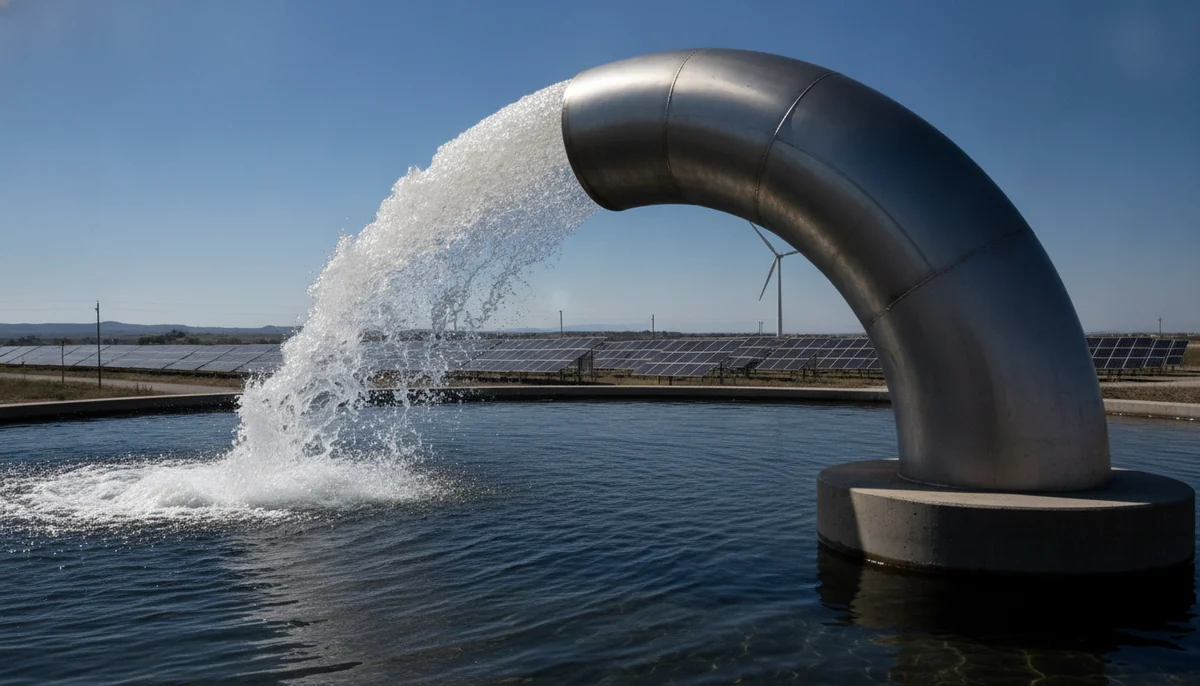
KKR and SK have unveiled a 10GW clean-power platform designed specifically to supply renewable electricity to Korea's booming AI data centers and semiconductor production facilities. The platform currently operates 1.7GW of capacity with an ambitious 10GW pipeline, positioning it as a critical infrastructure play in the race to power the nation's tech sector with clean energy. The joint venture addresses a critical gap: massive computational workloads from AI training require enormous electricity supplies, and this platform aims to provide carbon-free alternatives to traditional grid power.
The timing is strategic. As global tech companies expand AI infrastructure in South Korea to tap the country's semiconductor expertise and advanced networks, energy demand continues to surge. By coupling renewable generation directly with industrial consumers, the KKR-SK platform bypasses grid congestion and enables tech companies to meet their own sustainability commitments. The model could become a template for renewable energy partnerships in other tech-heavy regions.
Solar & Wind
Germany Hits Record 58% Renewable Electricity Share in H1 2026
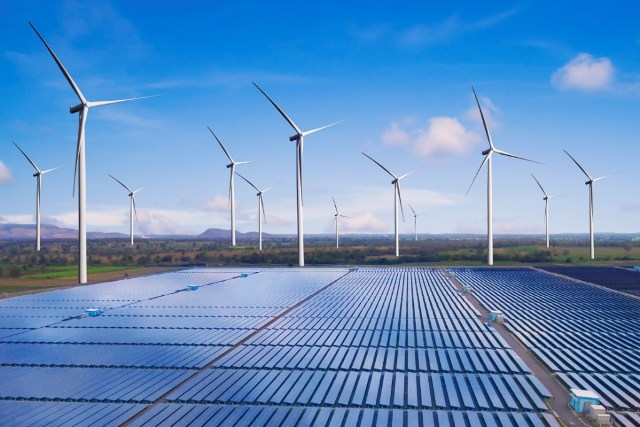
Renewable energy sources covered a record 58% of Germany's electricity consumption in the first half of 2026, driven by stronger wind power generation, according to preliminary estimates. This milestone marks a significant acceleration in the country's decarbonization trajectory and demonstrates the viability of high renewable penetration in a major industrial economy. The achievement came despite challenging seasonal conditions, suggesting sustained momentum toward Germany's net-zero goals.
Sunsol Cleantech Plans 2GW Solar Deployment by 2030
Sunsol Cleantech, the distributed energy platform of Sunkonnect, has announced plans to support deployment of over 2GW of solar capacity by 2030 across more than 5,000 projects including rooftop, captive, and open-access installations. The initiative reflects growing momentum in India's distributed solar market, where residential and commercial rooftop installations are increasingly viewed as a decentralized alternative to utility-scale projects.
U.S. Renewable Energy Generation Grows 10% in Jan-April 2026
U.S. renewable energy generation grew 10 percent in the first four months of 2026, with solar, wind, and battery storage leading the capacity boom. Battery storage capacity continued its rapid expansion, while offshore wind faced setbacks with a 33.3% decline in planned capacity year-over-year, though land-based wind and solar pipelines remained robust with significant projects expected to reach commercial operation by year-end.
EVs & Batteries
China's CATL Reports 10,000 EVs Getting Sodium-Ion Battery Packs in 2026
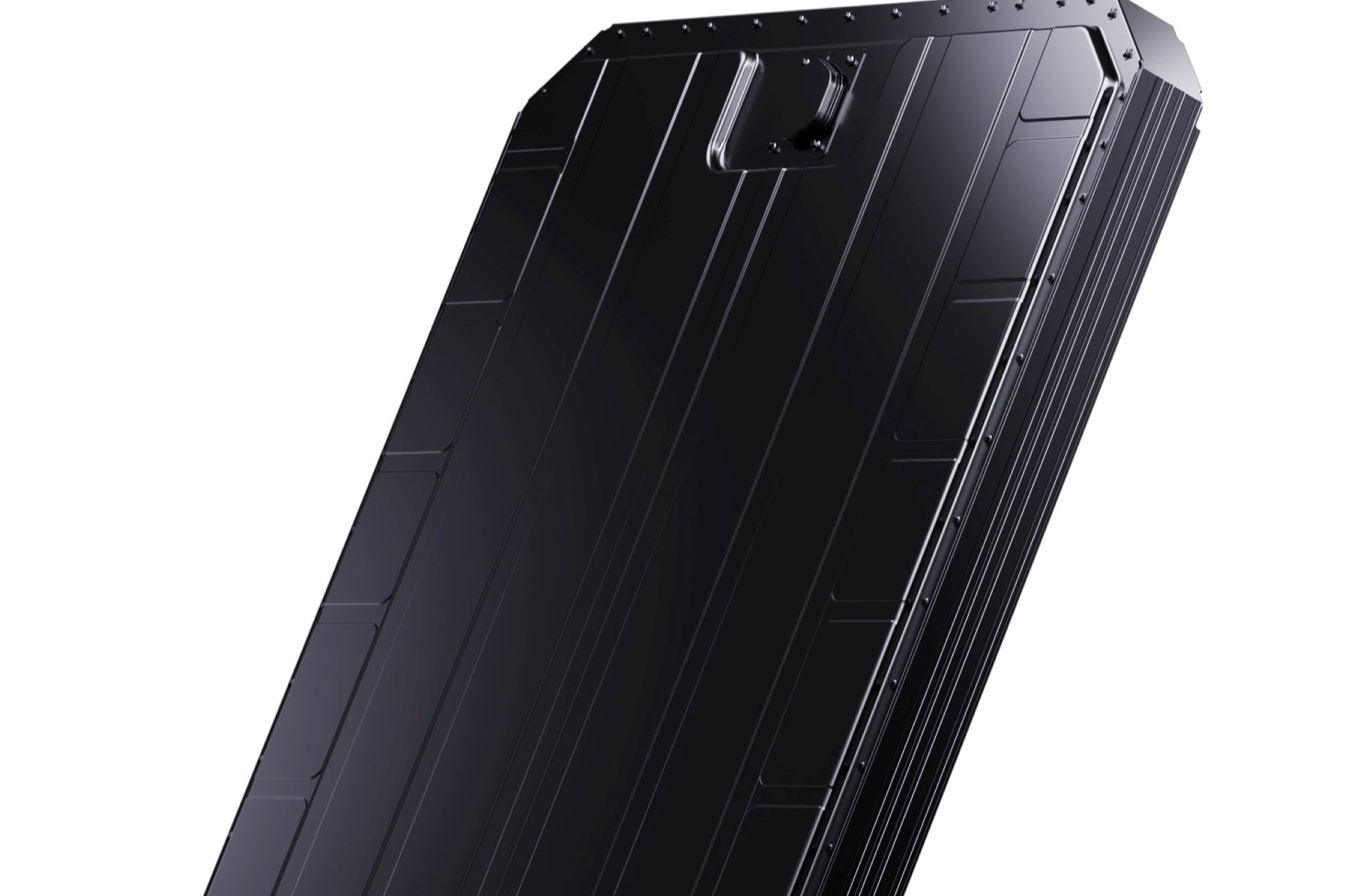
CATL, the world's largest EV battery manufacturer, announced that 10,000 electric vehicles will receive sodium-ion battery packs in 2026, marking a transition from emerging technology status to production deployment. Sodium-ion batteries promise significantly lower costs than lithium-ion cells while delivering competitive energy density and charging speeds, potentially unlocking affordable EV markets in price-sensitive regions. This production milestone signals that sodium-ion technology has matured beyond prototyping.
Volkswagen-Backed Gotion High-Tech Claims Performance Parity with Tesla Cells
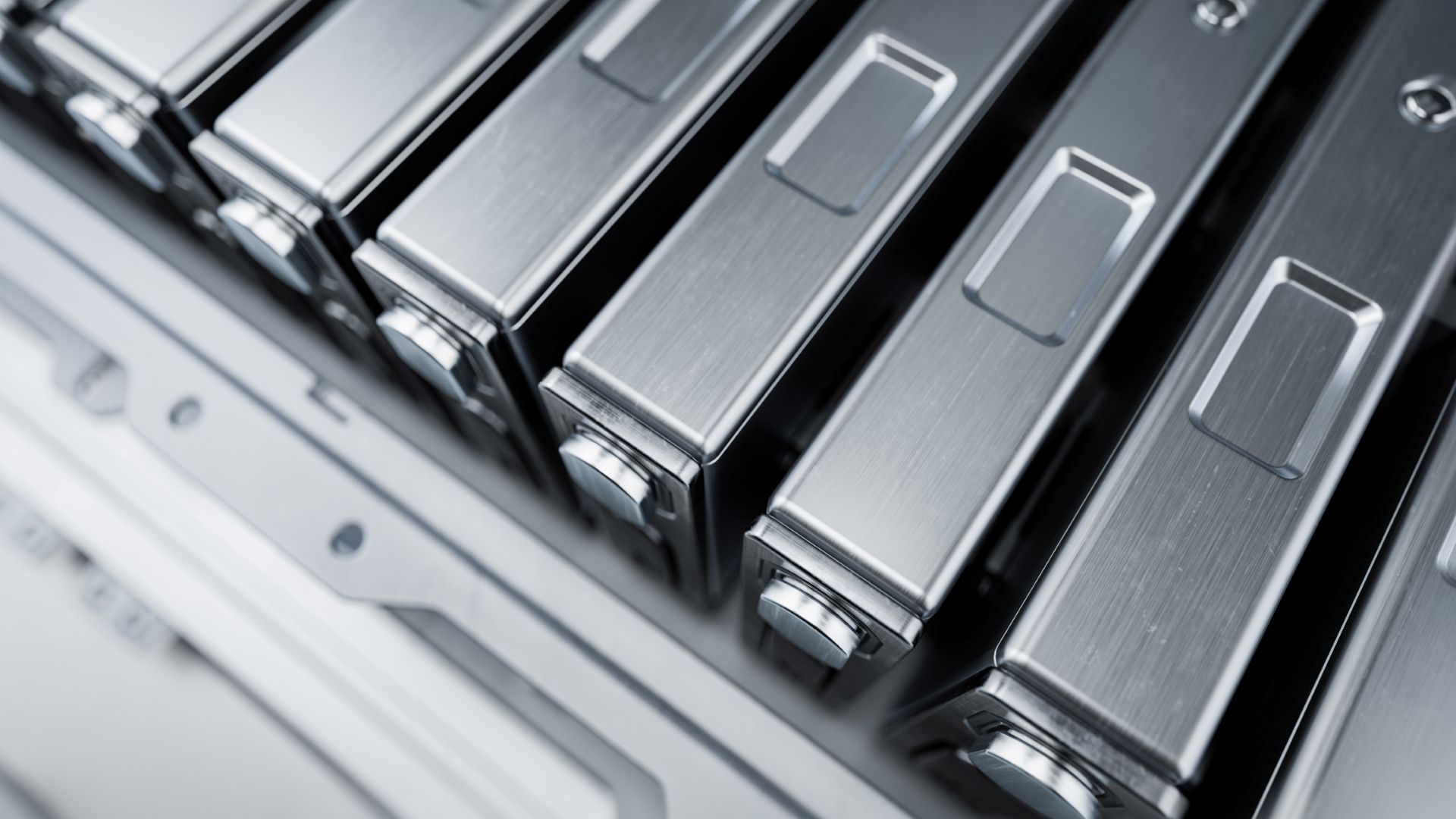
Interest is building around claims from Gotion High-Tech, a Volkswagen-backed battery manufacturer, that its sodium-ion cells now match the performance characteristics of Tesla's lithium-ion battery technology. If validated, such equivalence in energy density and cycle life could accelerate mass-market adoption of cheaper sodium-ion batteries across the EV industry, potentially disrupting pricing power in the battery supply chain.
BYD Flash Charging Delivers 10% to 70% Charge in Just 5 Minutes
BYD's new flash charging technology, integrated with Blade Battery architecture, enables public EV charging stations to deliver up to 1,500 kW of power, allowing compatible EVs to recharge from 10% to 70% in just 5 minutes and a full charge (10% to 97%) in 9 minutes. This breakthrough addresses one of the final adoption barriers for EVs: charging time parity with gas station refueling. BYD plans to deploy 20,000 such flash charging stations across China by year-end 2026.

Hydrogen & Emerging Tech
University of Birmingham Develops Perovskite Catalyst for Low-Temperature Hydrogen Production
Researchers at the University of Birmingham have developed a perovskite-based catalyst that splits water into hydrogen at much lower temperatures than existing technologies, potentially making clean fuel far cheaper and easier to generate at scale. Lower operating temperatures reduce energy input requirements and capital costs for hydrogen production facilities, opening pathways to cost-competitive green hydrogen for industrial applications and long-haul transport.
Scatec to Invest $5 Billion in Egypt Green Energy Projects
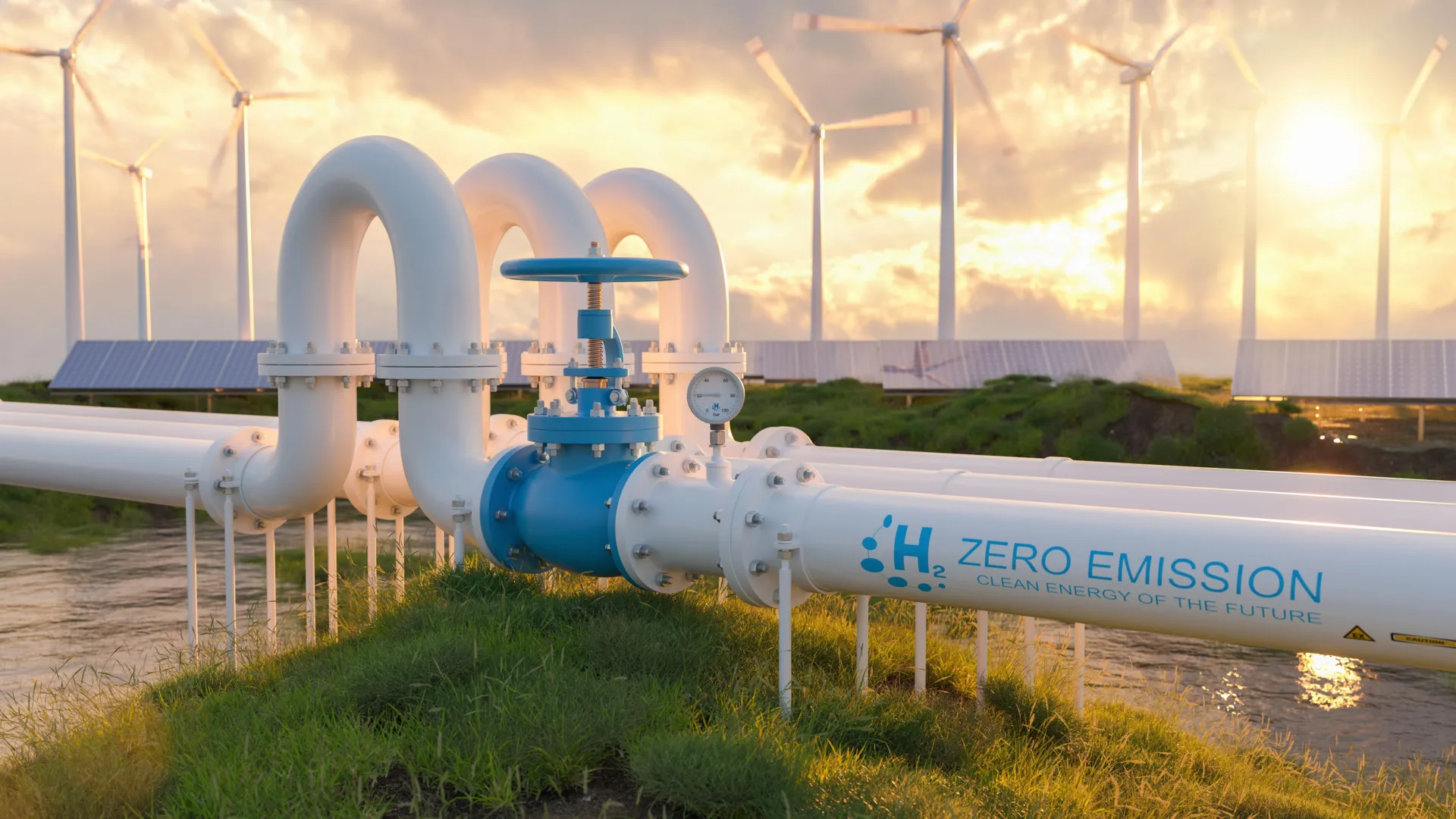
Norwegian renewable energy major Scatec announced a $5 billion investment in Egypt over two years, doubling its portfolio to $10 billion across solar, green hydrogen, desalination, and data center projects. The deal positions Egypt as a regional hub for green hydrogen production targeting European export markets, while simultaneously addressing the nation's chronic power generation and freshwater challenges through integrated renewable projects.

Policy & Investment
Global Climate Finance Exceeds $2 Trillion for First Time in 2024
Global climate finance officially crossed the $2 trillion threshold for the first time, reaching $2.008 trillion in 2024, according to the Climate Policy Initiative. However, growth is slowing and the investment gap is widening, with adaptation funding lagging significantly and emerging markets requiring substantially more capital to meet net-zero and climate resilience goals. The funding imbalance underscores persistent challenges in mobilizing capital for developing nations' energy transitions.

FY2026 Congressional Appropriations Include Bipartisan Clean Energy Wins
The Fiscal Year 2026 congressional appropriations process delivered "key bright spots of bipartisan collaboration on clean energy," according to the Center for Climate and Energy Solutions, with several provisions supporting renewable deployment and grid modernization. The 2027 funding process is now underway, building on these positive signals as the renewable energy industry prepares for the next budget cycle.
By the Numbers
| Metric | Value | Context |
|---|---|---|
| Germany renewable share (H1 2026) | 58% | Record high driven by wind generation |
| KKR-SK platform capacity (pipeline) | 10 GW | Korea's largest renewable energy platform |
| Global climate finance (2024) | $2.008 trillion | First time exceeding $2 trillion |
| EVs with sodium-ion batteries (2026) | 10,000 | CATL production milestone |
| BYD flash charging time (10-70%) | 5 minutes | Up to 1,500 kW power delivery |
| Scatec Egypt investment | $5 billion | Over 2 years; solar + hydrogen + desalination |
What to Watch This Week
-
KKR-SK Platform Expansion: Monitor announcements on which tech companies commit to purchasing renewable power from the Korea platform, signaling adoption by major AI and semiconductor firms.
-
Sodium-Ion Battery Validation: Watch for independent testing results confirming performance parity claims between Gotion and Tesla cells, which could accelerate supply chain disruption.
-
Hydrogen Cost Metrics: Track follow-up research on the University of Birmingham perovskite catalyst regarding scalability timelines and production cost reductions needed for commercial viability.
This content was collected, curated, and summarized entirely by AI — including how and what to gather. It may contain inaccuracies. Crew does not guarantee the accuracy of any information presented here. Always verify facts on your own before acting on them. Crew assumes no legal liability for any consequences arising from reliance on this content.
Powered by
