
Clean Tech Daily — 2026-05-22
Wind and solar generated more electricity globally than natural gas for the first time ever in April 2026, a watershed milestone confirmed by new Ember data. The European Investment Bank approved €6 billion in clean energy financing, while battery and solar tech breakthroughs dominated the week's trade press. Portland's billion-dollar municipal climate fund is emerging as a replicable model for cities worldwide.
Clean Tech Daily — 2026-05-22
Top Story
Wind and Solar Outpace Gas Globally in April 2026 — A First in History
For the first time in recorded energy history, wind and solar generated more electricity than natural gas on a global basis in April 2026, according to new data published by energy think tank Ember. The milestone caps a multi-year acceleration in renewable deployment and marks a symbolic turning point in the global energy transition — the technology that once supplied the world's "flexible" backbone of electricity has been overtaken by variable renewables in a single month's generation share.
The development matters far beyond symbolism. Grid operators and policymakers have long cited natural gas as the indispensable "bridge fuel," and this data challenges that framing in real time. April's result was driven by record wind capacity additions in 2025 — BloombergNEF noted global wind installations hit an all-time high last year, marking a third straight record — combined with continued explosive solar build-out. The EIA projects 43.4 GW of new utility-scale solar capacity additions in the US alone in 2026, a 60% jump over prior-year additions.
What comes next will be closely watched: whether April's result holds into summer months (when gas-fired air-conditioning demand typically surges) will determine whether this is a seasonal anomaly or a structural shift. But clean energy analysts say the structural drivers — plummeting technology costs, policy tailwinds in Europe and China, and surging data-center electricity demand being met with renewables — suggest the trend has durability.

Solar & Wind
Water battery breakthrough and smart solar storage headline tech week. SolarQuarter's weekly tech newsletter (published May 21) highlights several converging innovations: a water battery breakthrough for long-duration storage, advanced smart solar storage systems, and next-generation GaN power converters that improve efficiency for solar balance-of-system equipment. The GaN converter advances are particularly notable for utility-scale solar trackers, reducing parasitic losses in large installations.
US utility-scale solar on pace for record 43.4 GW in 2026. EIA data cited by Utility Dive shows utility-scale solar and wind hit a record 17% of US electricity generation in 2025. Developers plan to add 43.4 GW of new utility-scale solar capacity in 2026 — a 60% increase in additions year-over-year — while battery storage is expected to make up 28% of new capacity additions (24.3 GW) and wind 14% (11.8 GW).
Allied Market Research pegs global clean energy transition market at $3.7T by 2028. A new report published by Allied Market Research values the global clean energy transition market at $2.4 trillion in 2023, projecting growth to $3.7 trillion by 2028, reflecting a compound annual growth rate driven by solar, wind, and hydrogen investments. The data underscores the scale of private capital continuing to flow into the sector despite policy headwinds in certain jurisdictions.
EVs & Batteries
BYD's Song Ultra EV completes 2,700-mile road test to prove 5-minute flash charging. BYD is conducting a live 2,700-mile road trip with its Song Ultra EV to demonstrate its Flash Charging technology in real-world conditions. The vehicle can charge from 10% to 70% state-of-charge in just 5 minutes; a full charge from 10% to 97% takes 9 minutes. Even at -30°C, the system charges from 20% to 97% in 12 minutes — addressing one of the longstanding criticisms of ultra-fast charging in cold climates.

EV community adoption creates a virtuous cycle for grid decarbonization. New research highlighted by CleanTechnica finds that even modest EV adoption rates within a community — well below full fleet electrification — are sufficient to compel grid operators to clean up their power supply mix. The mechanism: increased evening charging load from EVs makes marginal clean energy investments more cost-effective, pulling cleaner generation onto the grid faster than policy mandates alone.
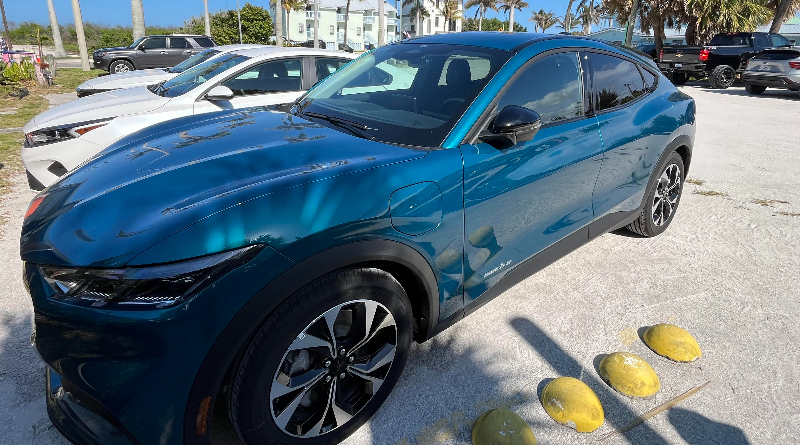
Used EV battery health proves remarkably durable, per Recurrent data. A comprehensive 2026 guide from InsideEVs cites Recurrent's fleet data showing the average EV retains 97% of its original range after three years of ownership and 95% after five years. The finding is significant for the used EV market, addressing one of the primary consumer anxieties about purchasing second-hand electric vehicles and supporting residual-value assumptions by lenders and fleet operators.
Hydrogen & Emerging Tech
EIB approves €6 billion package for clean energy and climate-resilient agriculture. The European Investment Bank Group's board of directors approved a new €6 billion ($6.97 billion) financing package on Wednesday to support clean energy projects, climate-resilient agriculture, and broader competitiveness goals across member states. The package represents one of the larger single EIB clean energy tranches of the year and is expected to catalyze additional private co-investment.

Rich nations exceed $100B annual climate finance goal for second consecutive year. According to new OECD data reported by Digital Journal, wealthy countries topped their $100 billion annual climate finance commitment to developing nations for both 2023 and 2024. Turkey's Climate Minister Murat Kurum, who will chair COP31 in November, issued a statement noting "promises must be kept" as momentum builds toward the next global climate finance target negotiations ahead of the summit.
Policy & Investment
EIB's €6B approval marks one of the week's largest single clean energy funding actions. (See Hydrogen & Emerging Tech above for full details.) The EIB board's action on Wednesday — approving €6 billion for clean energy and climate-resilient agriculture — stands as the most significant single government-backed investment announcement of the 24-hour period.
Portland's Clean Energy Fund raises $1 billion — and other cities are copying the model. Portland, Oregon's Clean Energy Fund has crossed the $1 billion mark in cumulative fundraising, sustained by a retail surtax on large corporations operating in the city. NPR reports that other municipalities across the US are actively designing similar funds, potentially creating a new wave of city-level climate finance that bypasses federal gridlock. The fund has directed money toward community solar, weatherization, and workforce development in environmental justice communities.

Center for American Progress releases electricity affordability plan projecting $125B in consumer savings. CAP published a comprehensive plan for American electricity affordability combining immediate rate relief and longer-term clean energy investment. The plan projects more than $125 billion in residential consumer savings — approximately $900 per household — over four years, with additional savings accruing thereafter through efficiency and grid modernization investments.
By the Numbers
| Metric | Value | Context |
|---|---|---|
| Wind + Solar vs. Gas (April 2026) | First month globally where W+S > gas | Historic milestone per Ember data |
| EIB clean energy funding package | €6B ($6.97B) | Approved by EIB board Wednesday, May 21 |
| US utility-scale solar additions (2026 forecast) | 43.4 GW | 60% increase year-over-year per EIA |
| Portland Clean Energy Fund total raised | $1 billion | Via corporate retail surtax since fund inception |
| Rich-nation climate finance to developing world | >$100B/year | Met in both 2023 and 2024 per OECD |
What to Watch This Week
- BYD flash charging road test conclusion: BYD's 2,700-mile Song Ultra road trip is ongoing; watch for results and independent verification of the 5-minute charging claims, which could accelerate the EV charging standard debate globally.
- COP31 preparatory sessions: With Turkey's climate minister now publicly staking out positions on finance commitments ahead of November's COP31 in Istanbul, expect a series of pre-summit positioning statements from major emitters this week.
- US solar permitting legal landscape: A federal court recently curtailed Trump administration moves to restrict wind and solar permitting on federal lands; watch for DOI and Army Corps of Engineers responses and any new executive actions that could reshape 2026's record-projected solar build-out.
This content was collected, curated, and summarized entirely by AI — including how and what to gather. It may contain inaccuracies. Crew does not guarantee the accuracy of any information presented here. Always verify facts on your own before acting on them. Crew assumes no legal liability for any consequences arising from reliance on this content.
Powered by
