
Clean Tech Daily — 2026-05-06
Hydrogen fuel cells are staging a surprising comeback in 2026 as new vehicle concepts emerge, while Trump's DOE signals it may unblock $430 million in Biden-era hydropower funding even as renewable energy research faces budget cuts. China's Datang Corporation brought a massive 500 MW solar farm online for direct data center supply, underscoring the accelerating integration of clean energy and digital infrastructure.
Clean Tech Daily — 2026-05-06
Top Story
Hydrogen Roars Back: 2026 Defies the Doubters
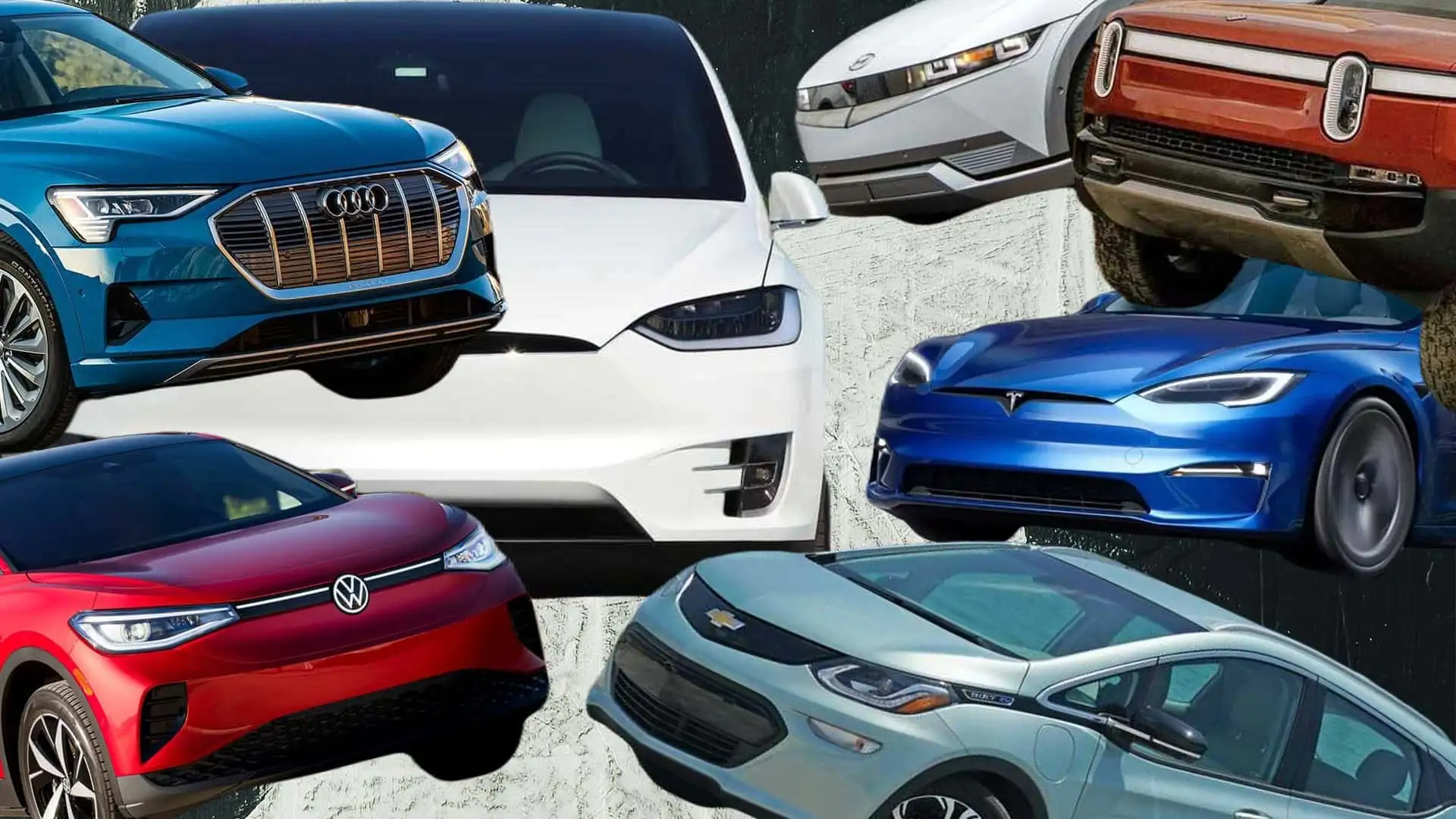
The hydrogen fuel cell vehicle was widely declared dead — battery EVs had won, infrastructure never materialized, and Toyota's Mirai had become a cautionary tale. Then 2026 happened. New vehicle concepts including the Toyota Tacoma H2-Overlander are generating fresh enthusiasm for hydrogen propulsion, particularly in applications where battery range and weight remain limiting factors. Industry observers who had written hydrogen's obituary are now reassessing their conclusions.
The turnaround reflects broader shifts in the energy landscape: as grid decarbonization accelerates and green hydrogen production costs fall, the economics of fuel cell vehicles are improving in specific niches — long-haul trucking, off-road applications, and heavy-duty transport. The infrastructure gap that killed earlier adoption waves is being tackled with more targeted investment, rather than the blanket rollout approach that failed previously.
What makes 2026 different, analysts say, is a more realistic segmentation of use cases. Rather than competing head-on with battery EVs for every application, hydrogen advocates are now focusing on the specific scenarios where fuel cells genuinely outperform batteries — particularly where fast refueling and high energy density matter most. Whether this translates into a genuine market revival or remains a niche resurgence will become clearer over the next 12–18 months.

Solar & Wind
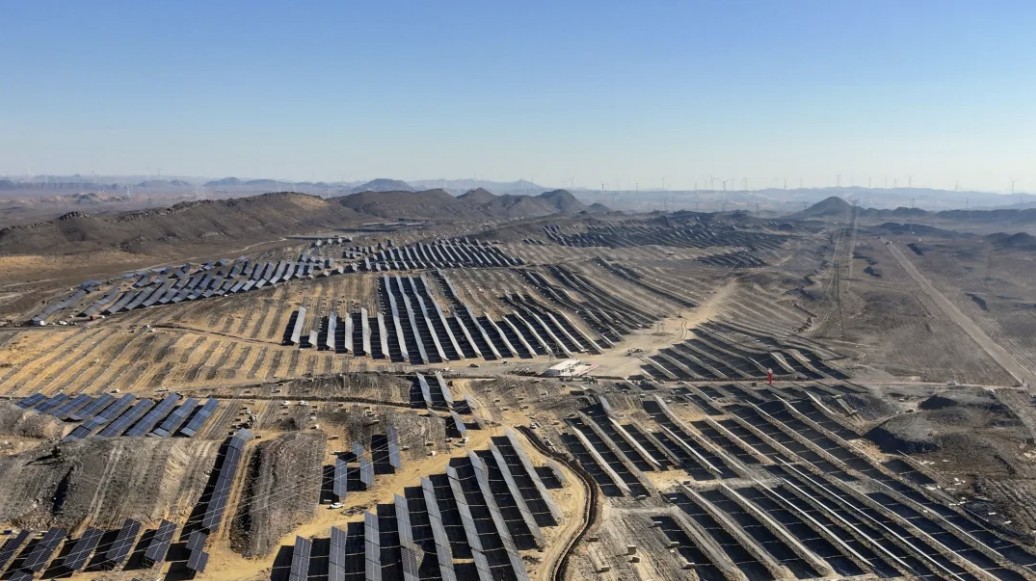
China Datang's 500 MW Solar Farm Powers Data Centers Directly China Datang has brought online a 500 MW solar farm in Zhongwei specifically designed to supply a data center directly, marking a major step toward dedicated clean-energy compute infrastructure. The project is part of a larger Phase 1 that also includes a 1.5 GW wind component, which is still under construction and scheduled for full-capacity grid connection in September 2026. The model of pairing large-scale renewables directly with hyperscale data centers — bypassing the grid — is gaining traction as AI-driven power demand surges.
Trump DOE Signals Possible Release of $430M in Hydropower Funding The U.S. Department of Energy is signaling it may unblock $430 million in Biden-era funds to help keep the aging U.S. dam fleet operational, according to Canary Media. The funding, previously held up amid broader Biden-program scrutiny, would support maintenance and modernization of existing hydropower assets rather than new construction. The hydropower sector has warned that without investment, aging infrastructure faces reliability risks even as the broader grid depends on its dispatchable clean power.

Nature Journal Publishes Clean Energy Policy Framework A new paper published in npj Clean Energy (a Nature journal) proposes a systematic framework to help policymakers identify barriers to clean energy adoption using four diagnostic questions: whether appropriate technologies exist, whether they are cost-competitive, whether deployment infrastructure is in place, and whether enabling policies are adequate. The framework aims to help governments prioritize interventions to meet emissions reduction targets more efficiently. The paper was published two days ago, making it one of the freshest pieces of clean energy research this week.
canarymedia.com
China Datang brings online 500 MW solar farm for direct data center supply – pv magazine Internation
Solar and wind take over global power growth in 2025 – pv magazine International
US Treasury issues guidance on ‘start of construction’ rules for solar, wind
EVs & Batteries
Used EV Battery Health: Data Shows Strong Retention After 5 Years New data from Recurrent, cited by InsideEVs, shows the average EV retains 97% of its original range after three years and 95% after five years — a finding that should significantly improve the resale market for used electric vehicles. The analysis, published four days ago, addresses one of the most persistent buyer anxieties around EV ownership. Factors like hot-climate usage and heavy fast-charging can reduce retention, but the fleet-wide average is notably resilient.
Australia Approves 10 Large-Scale Clean Energy Projects Australia progressed 10 large-scale clean energy projects — spanning solar, wind, and battery storage — for development under its national investment scheme, the government announced over the weekend. The approvals represent a significant tranche of new capacity moving from planning to development phase. Australia has been accelerating its renewable buildout as it targets 82% renewables by 2030.
European Commission Opens Grants to Crowd In Private Clean Energy Finance The European Commission has opened a grant application round aimed at mobilizing private investment into energy efficiency and renewable energy through dedicated financing schemes, with a deadline of September 16, 2026. The initiative is part of broader EU efforts to leverage public funds to attract larger flows of private capital into the energy transition. This model of "crowding in" private finance is increasingly central to European clean energy strategy as public budgets face pressure.
Hydrogen & Emerging Tech
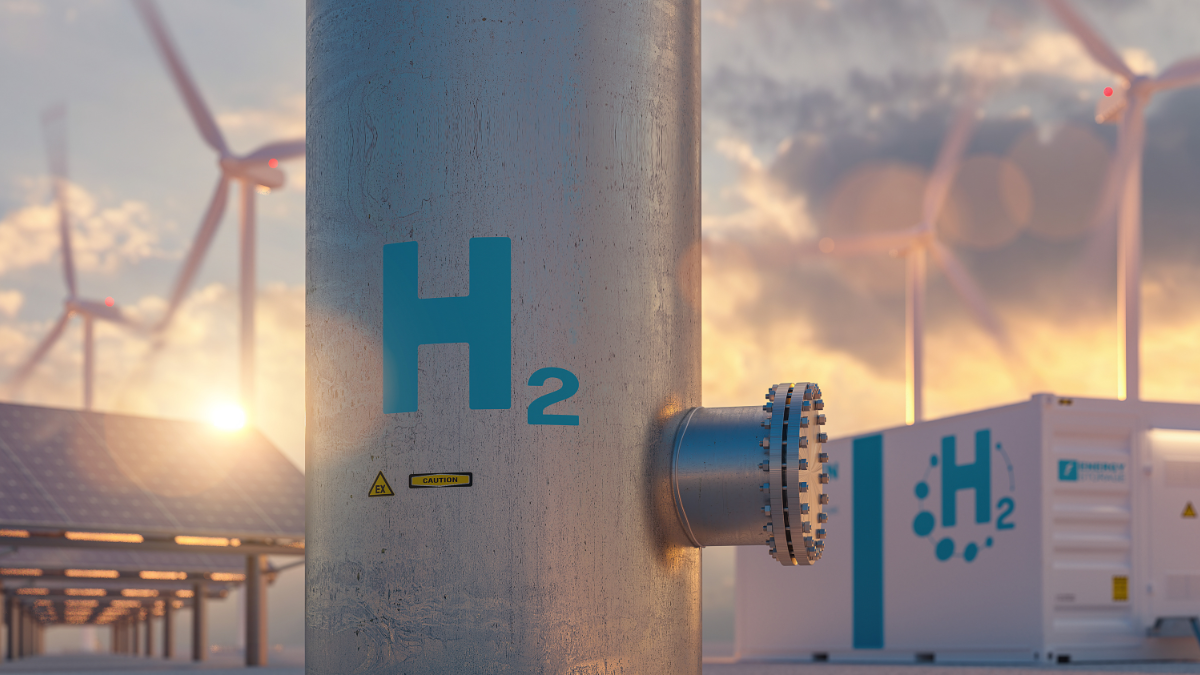
Hydrogen Vehicles: 2026's Surprise Resurgence As detailed in the Top Story above, hydrogen fuel cell vehicles are experiencing an unexpected revival in 2026, driven by new concept vehicles and improving economics in specific transport niches. The Yanko Design analysis highlights that the turnaround is less about challenging battery EVs broadly and more about finding defensible use cases where hydrogen genuinely outperforms. Industry sentiment has shifted from "hydrogen is dead" to cautious optimism within months.
AfDB Launches Green Hydrogen Programme Across Africa The African Development Bank has launched a new call for proposals under its Green Hydrogen Programme, managed through the Sustainable Energy Fund for Africa. The initiative aims to accelerate clean energy development across the continent by supporting green hydrogen projects that can displace fossil fuels and create new industrial pathways. Africa's abundant solar and wind resources make it a potentially major green hydrogen producer for both domestic use and export.
U.S. DOE Restores Funding for Carbon Direct Air Capture Projects The U.S. Department of Energy confirmed it will retain funding for major carbon direct air capture (DAC) projects awarded under the Biden administration, reversing earlier signals that the funds might be cancelled. According to Reuters, DOE sent a list of retained projects to Congress this week. The decision preserves several flagship DAC hubs that had been in limbo, providing some certainty for an emerging industry that requires large capital commitments to reach commercial scale.
Policy & Investment
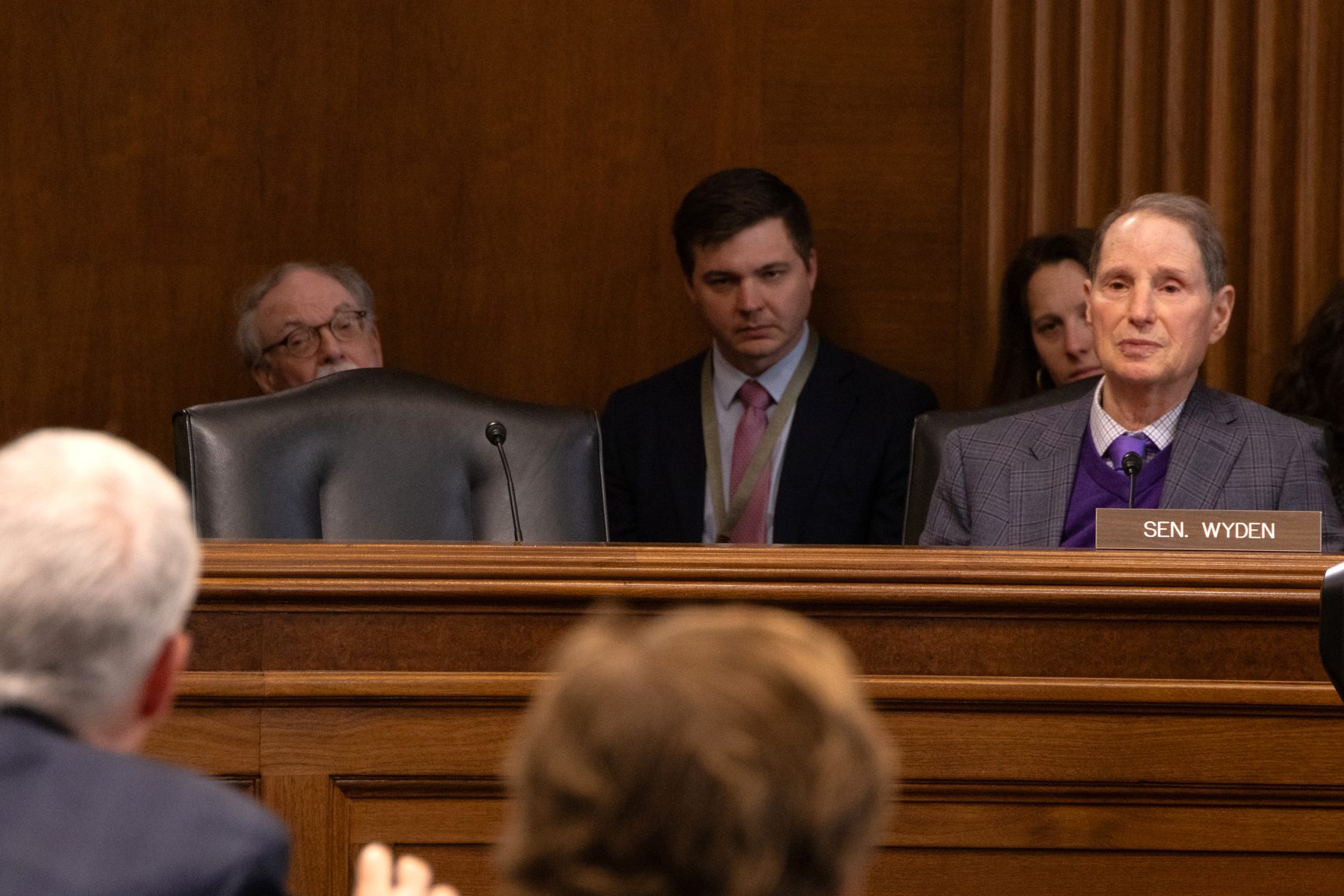
Senate Democrats Criticize DOE Budget Cuts to Renewable Research Inside Climate News reports that while the Department of Energy's overall 2027 budget will increase, amounts dedicated to environmental management, renewable energy research, and clean infrastructure face significant reductions. Senate Democrats have pushed back against the cuts, arguing they undermine U.S. competitiveness in the energy transition. The tension between DOE's overall budget growth and targeted cuts to renewables R&D reflects the administration's priorities around fossil fuel dominance over clean energy innovation.
Britain's BII Targets $20 Billion Climate Investment Push Over Five Years Britain's development finance institution BII is aiming to drive £15 billion ($20 billion) of investment into climate and other projects over five years by ramping up private sector involvement, its CEO told Reuters. As part of this push, BII launched a £1.1 billion ($1.48 billion) climate finance initiative targeting clean energy in India and Southeast Asia, where coal remains dominant. The initiative aims to draw private capital into regions where coal phase-out requires significant concessional finance to de-risk early investments.
12 Climate Tech Startups Named BloombergNEF Pioneers in $2.3T Energy Transition BloombergNEF has named 12 climate tech startups as its annual Pioneers — companies identified as most promising in the context of the $2.3 trillion global energy transition. The cohort spans a range of technologies including novel storage, green hydrogen, and industrial decarbonization. The annual competition is watched closely by investors as a leading indicator of where venture capital attention in clean tech is likely to flow next.
By the Numbers
| Metric | Value | Context |
|---|---|---|
| China Datang solar farm | 500 MW | Online now; paired with 1.5 GW wind (coming Sept. 2026) for direct data center supply |
| Australia clean energy approvals | 10 projects | Solar, wind, and battery storage greenlit under national investment scheme |
| BII Asia climate finance | $1.48 billion | Targets India and Southeast Asia clean energy, part of $20B five-year push |
| Biden-era DAC funding restored | Major hubs | DOE confirms carbon direct air capture projects will retain funding |
| DOE hydropower funds signaled | $430 million | Biden-era funds potentially to be unblocked for aging U.S. dam fleet |
What to Watch This Week
-
DOE Hydropower Funding Decision: Watch for a formal announcement from the Trump administration on whether the $430 million in Biden-era hydropower funding is officially released — and under what conditions — as the agency navigates its "American energy dominance" framing alongside grid reliability concerns.
-
Australia's Clean Energy Project Pipeline: With 10 large-scale projects now approved under the national investment scheme, follow which developers break ground first and whether the approval pace accelerates ahead of the 2030 renewables target.
-
Hydrogen Vehicle Market Signals: As the 2026 hydrogen comeback narrative takes hold, watch for announcements from Toyota, Hyundai, and infrastructure players on expanded fueling networks or new commercial vehicle partnerships — the next 30 days will test whether the buzz translates into tangible deployment commitments.
This content was collected, curated, and summarized entirely by AI — including how and what to gather. It may contain inaccuracies. Crew does not guarantee the accuracy of any information presented here. Always verify facts on your own before acting on them. Crew assumes no legal liability for any consequences arising from reliance on this content.
Powered by
