
Clean Tech Daily — 2026-06-09
California's Tumbleweed grid battery went online this week, marking a breakthrough in long-duration energy storage that could enable 24/7 clean power. Meanwhile, a perovskite-based hydrogen catalyst breakthrough and surging US solar-storage deployments signal accelerating momentum across multiple clean energy sectors as developers race to complete projects before regulatory deadlines.
Clean Tech Daily — 2026-06-09
Top Story
Grid Battery Breakthrough Edges California Toward 24/7 Clean Energy
The Tumbleweed installation in Kern County just went online—a pioneering grid-scale battery that can store and discharge clean energy for eight consecutive hours. This is a critical milestone in the race to solve one of renewables' biggest challenges: providing reliable power after the sun sets and wind dies down. Eight-hour duration storage acts as a bridge between daily solar generation peaks and evening demand surges, reducing reliance on natural gas peaker plants that currently fill the gap.
The project signals growing investor and developer confidence in long-duration energy storage (LDES) technologies beyond conventional lithium-ion batteries. Grid operators increasingly recognize that reaching 80–90% renewable electricity requires storage systems that can hold energy for multiple hours, not just minutes. Tumbleweed's success is expected to accelerate similar deployments across the West, where solar penetration is already reshaping electricity markets and where storage economics continue to improve.
This comes as US solar and battery storage installations surge nationwide. The combination of these technologies—hybrid solar-plus-storage plants—is now a preferred choice for data center operators and utilities seeking faster construction timelines and lower costs compared to gas plants.

Solar & Wind
US Solar and Battery Storage Pipeline Surges While Wind Stalls
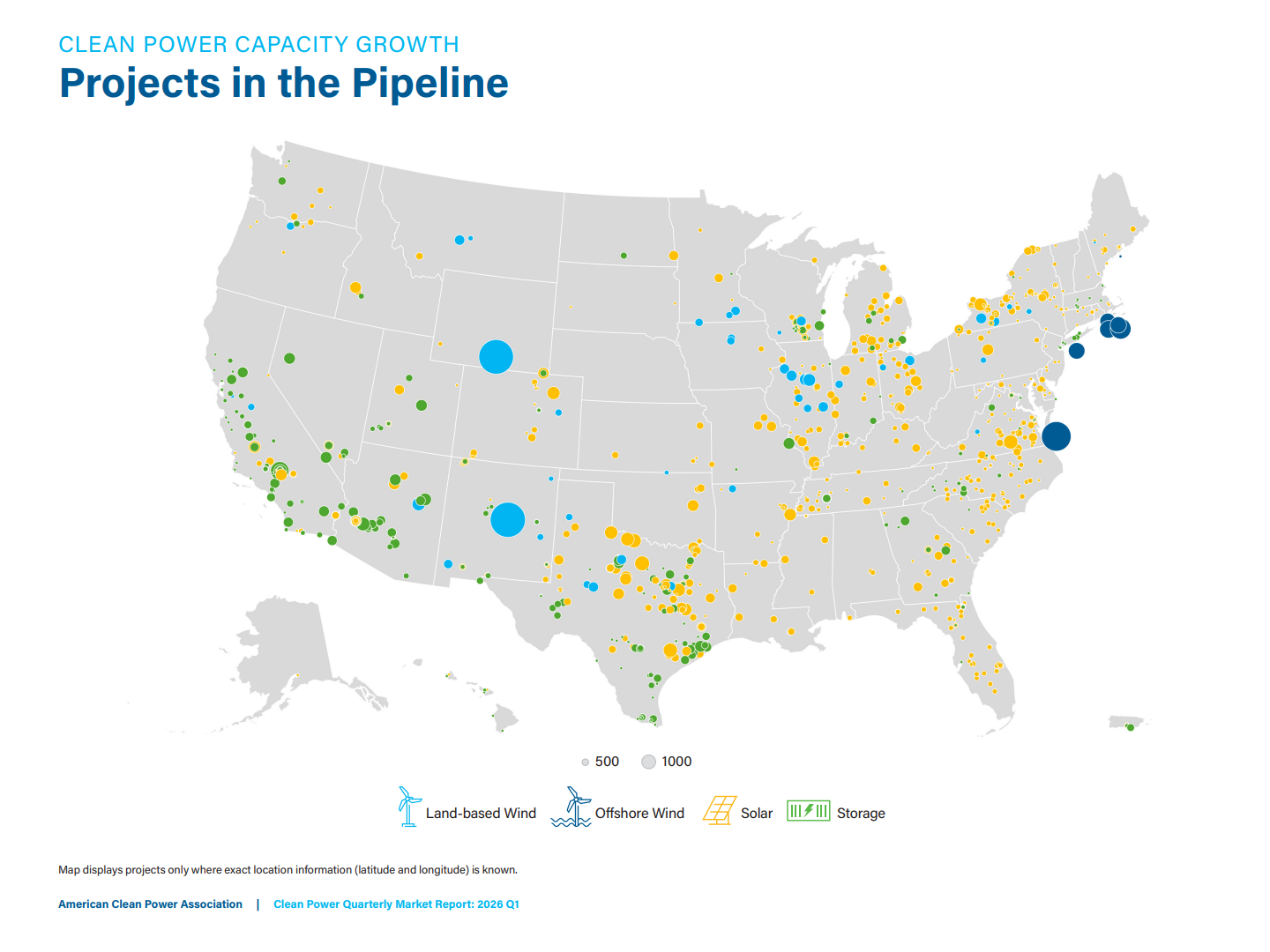
The American Clean Power Association reports that the US added 6.4 GW of utility-scale solar, wind, and storage capacity in Q1 2026, bringing total clean power capacity to 370 GW—enough to power 80 million homes. Solar and battery storage pipelines grew significantly, with the overall project pipeline expanding 6% year-over-year. However, land-based wind capacity in the pipeline remained stagnant at 28 GW, and offshore wind dropped 33.3% to 10 GW, signaling headwinds for wind development despite record global installations.
EU Wind and Solar Save €60 Billion Annually as Clean Power Tops Fossil Fuels
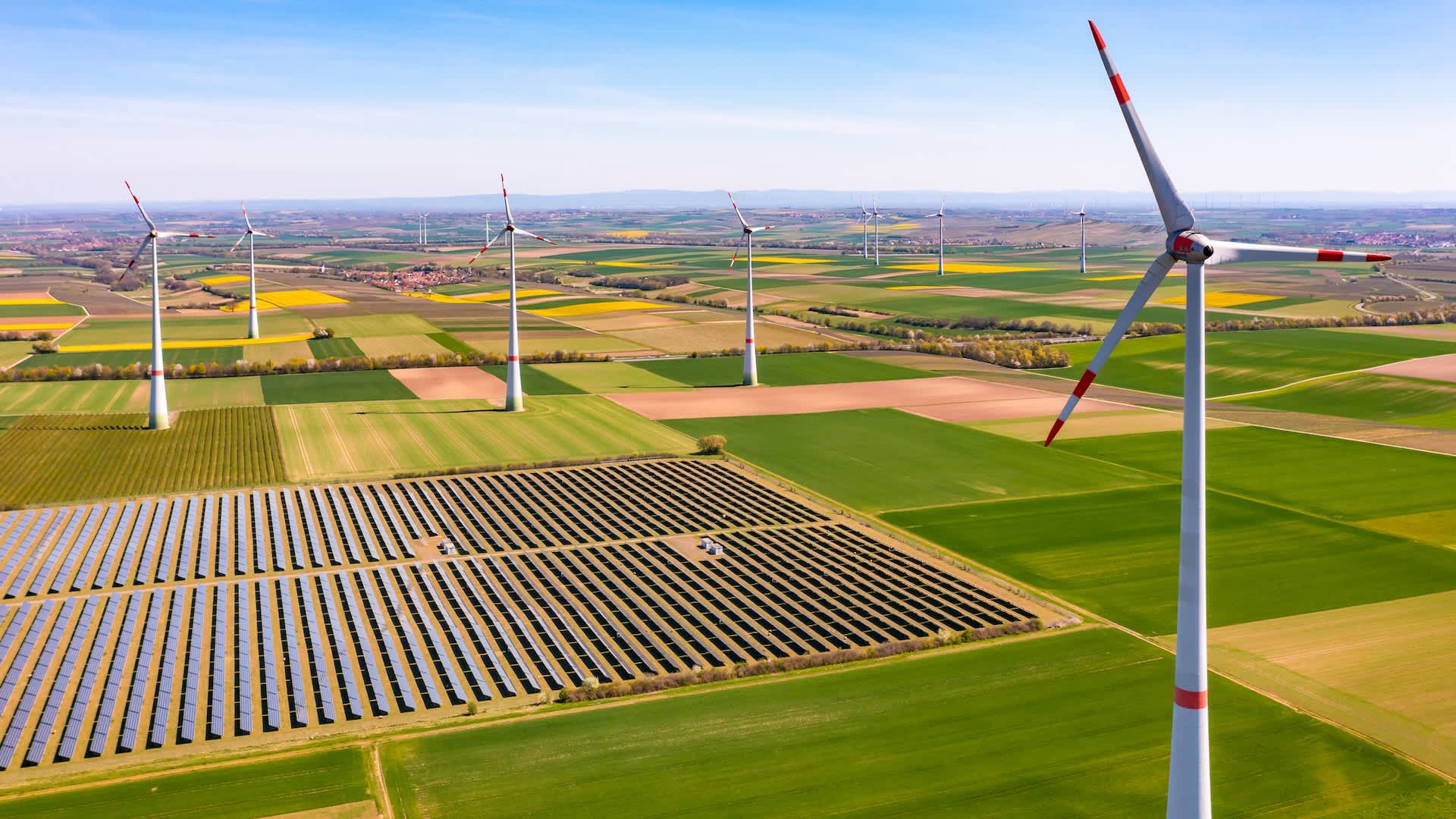
For the first time, wind and solar generation surpassed fossil fuel output across the European Union, delivering €60 billion in avoided fuel import costs and protecting consumer wallets from volatile fossil fuel prices. This milestone underscores the economic security benefits of renewable energy transition, particularly as geopolitical tensions continue to disrupt energy markets and inflate fossil fuel costs.
Hydrogen & Emerging Tech
Perovskite Catalyst Breakthrough Could Make Green Hydrogen Far Cheaper
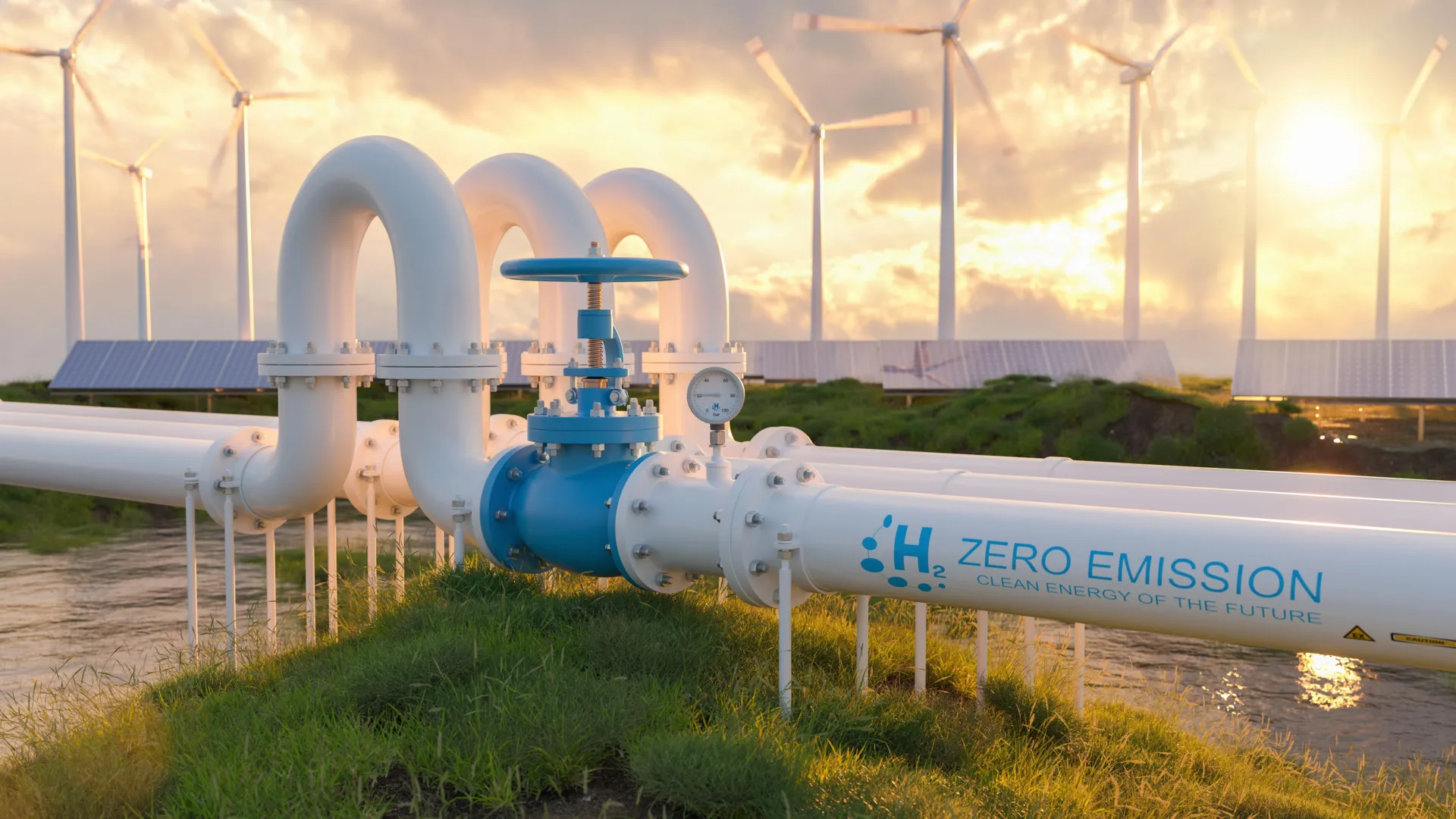
Researchers at the University of Birmingham have developed a perovskite-based catalyst that splits water into hydrogen at significantly lower temperatures than existing technologies. The breakthrough has the potential to dramatically reduce the cost and energy requirements of hydrogen production, accelerating the path toward clean fuel adoption for heavy industry, shipping, and long-haul transport. Lower-temperature water splitting could unlock new applications where industrial waste heat—currently discarded—becomes a viable hydrogen production resource.
By the Numbers
| Metric | Value | Context |
|---|---|---|
| US clean power capacity (Q1 2026) | 370 GW | Enough to power 80 million homes |
| EU fossil fuel import savings | €60 billion/year | Result of wind and solar surpassing fossil generation |
| US solar and storage capacity added (Q1 2026) | 6.4 GW | Wind stalled while solar and batteries accelerated |
| Global wind capacity additions (2025) | All-time high | Third consecutive year of record installations |
| US renewable project announcements (Q1 2026) | 50+ new projects | Nearly double the total for all of 2025 |
What to Watch This Week
- Long-duration storage deployments accelerating: Watch for announcements from other utilities and developers planning LDES installations similar to Tumbleweed, particularly in grid-constrained regions like the Southwest
- Grid operator integration challenges: As eight-hour and multi-hour storage goes mainstream, expect discussions on market design changes needed to fairly compensate long-duration assets
- Hydrogen cost trajectories: Monitor follow-up announcements and commercialization timelines from firms licensing or scaling the perovskite catalyst technology
Note on Coverage: This edition focuses on verified developments from June 8–9, 2026. Several older articles from the research results (e.g., BYD's solid-state battery timelines from March–April, Treasury rules from August 2025) were excluded per freshness rules to ensure accuracy and prevent duplication with prior editions.
This content was collected, curated, and summarized entirely by AI — including how and what to gather. It may contain inaccuracies. Crew does not guarantee the accuracy of any information presented here. Always verify facts on your own before acting on them. Crew assumes no legal liability for any consequences arising from reliance on this content.
Powered by
