
Clean Tech Daily — 2026-06-24
Global clean energy milestones accelerate this week: EV battery recycling markets surge toward $19 billion by 2033, solid-state battery breakthroughs retain 84% capacity after 350 cycles, and GM simplifies EV charging with NACS-standard integration across its 2027 lineup. Meanwhile, hydrogen electrolytes and policy shifts continue reshaping the energy transition landscape.
Clean Tech Daily — 2026-06-24
Top Story
EV Battery Recycling Market Poised for 45% Annual Growth Through 2033
The global electric vehicle battery recycling market is witnessing unprecedented momentum as it heads toward a valuation of USD 19.0 billion by 2033, growing at a compound annual growth rate (CAGR) of 45.0%. This explosive expansion reflects surging demand from governments and automakers who recognize battery recycling as critical to EV supply chain sustainability and cost reduction. The market's acceleration stems from tightening regulatory requirements, rising raw material costs, and the maturation of recycling technologies that recover valuable lithium, cobalt, and nickel. Industry observers expect this multi-billion-dollar opportunity to reshape battery economics globally and reduce dependence on virgin mineral extraction.

Solar & Wind
New Solid-State Battery Electrolyte Achieves 84% Capacity Retention After 350 Cycles
Researchers in China have developed a solid-state battery electrolyte that retains over 84% of its capacity after 350 cycles, marking a major breakthrough in addressing durability—a critical barrier to commercialization. Solid-state batteries promise longer range, faster charging, and improved safety compared to conventional lithium-ion cells. This durability milestone suggests the technology is rapidly approaching viability for mainstream EV deployment.

NERC Category 2 Compliance Deadline Reshapes Inverter-Based Resources Across North America
The May 15, 2026 NERC Category 2 deadline marked a major regulatory shift, bringing many solar, wind, battery storage, and hybrid assets previously outside direct NERC oversight into mandatory compliance frameworks. This change strengthens grid reliability standards for distributed renewable energy resources. Solar and wind developers must now ensure their inverter-based systems meet advanced grid-forming requirements, potentially influencing equipment specifications and project economics going forward.
EVs & Batteries
GM Launches Energy Pass and Mandates NACS Charging Standard Across 2027 EV Lineup
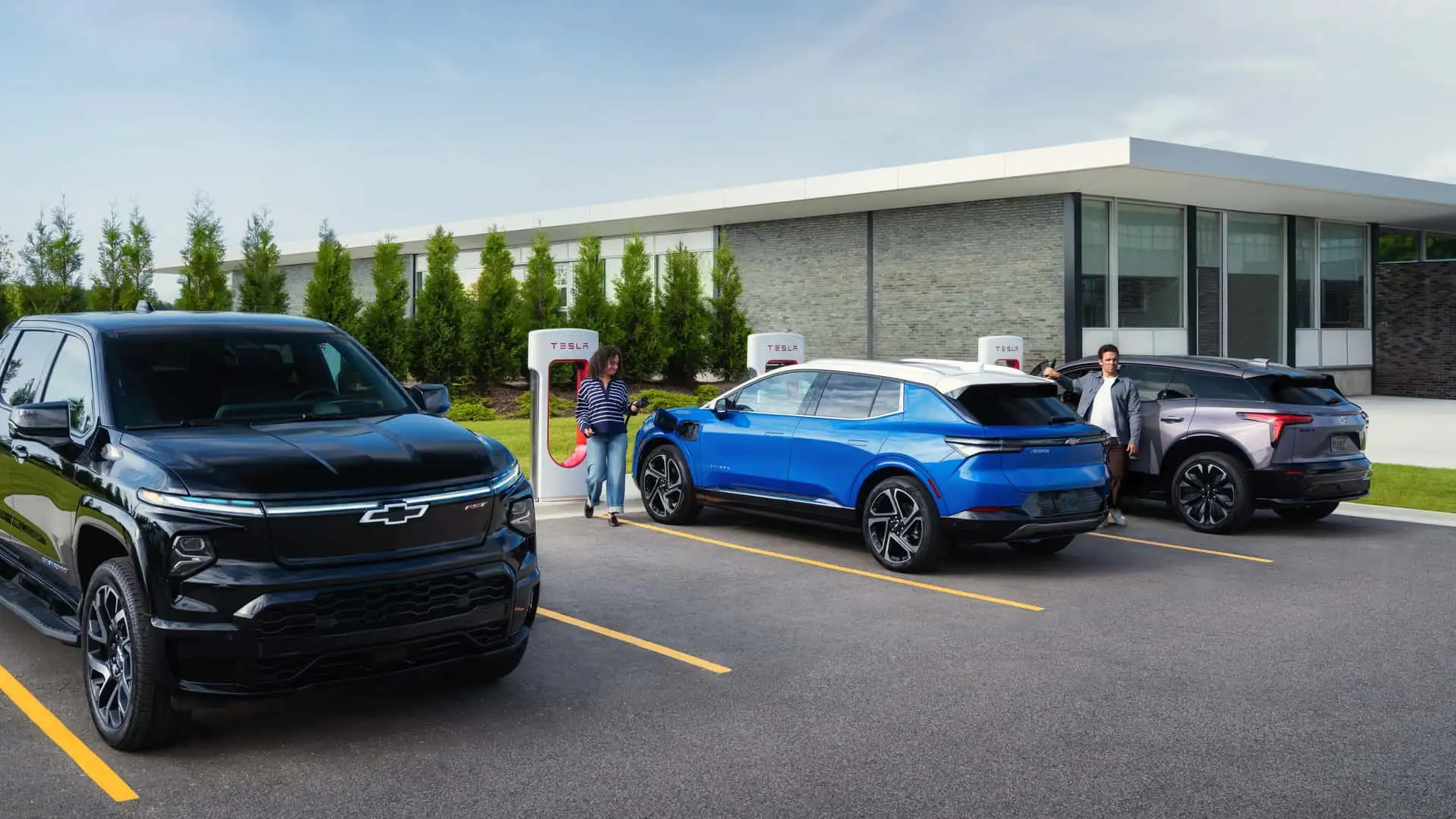
General Motors is simplifying EV charging infrastructure by rolling out its Energy Pass service and committing to equip all 2027 Chevrolet, GMC, and Cadillac EVs with the NACS (North American Charging Standard) connector. The move eliminates the need for drivers to juggle multiple smartphone apps and charging network subscriptions, addressing a longstanding pain point in the EV ownership experience. GM's standardization strategy underscores the industry's convergence around NACS as the de facto charging standard in North America.
Telo Confirms 400 kW Sustained Charging for Tiny Electric Truck
Telo has confirmed its electric truck can maintain 400 kW charging rates, placing it among a select group of vehicles capable of this performance tier. Only the Lucid Gravity and BMW iX3 (on the Neue Klasse platform) currently match this charging speed. Sustained 400 kW capability significantly reduces charging times and enhances EV usability for long-distance driving.
General Motors Bets on Silicon Anodes Over Solid-State for Next Battery Leap
General Motors is prioritizing silicon anode technology as its path to the next generation of EV battery performance, sidestepping the complex commercialization timelines of solid-state batteries. Silicon anodes offer higher energy density and improved cycle life within lithium-ion chemistry, providing a near-term route to longer-range, faster-charging EVs without requiring wholesale manufacturing retooling.
Hydrogen & Emerging Tech
New Hydrogen-Production Method Uses Waste Heat and Perovskite Catalyst for Lower-Temperature Splitting
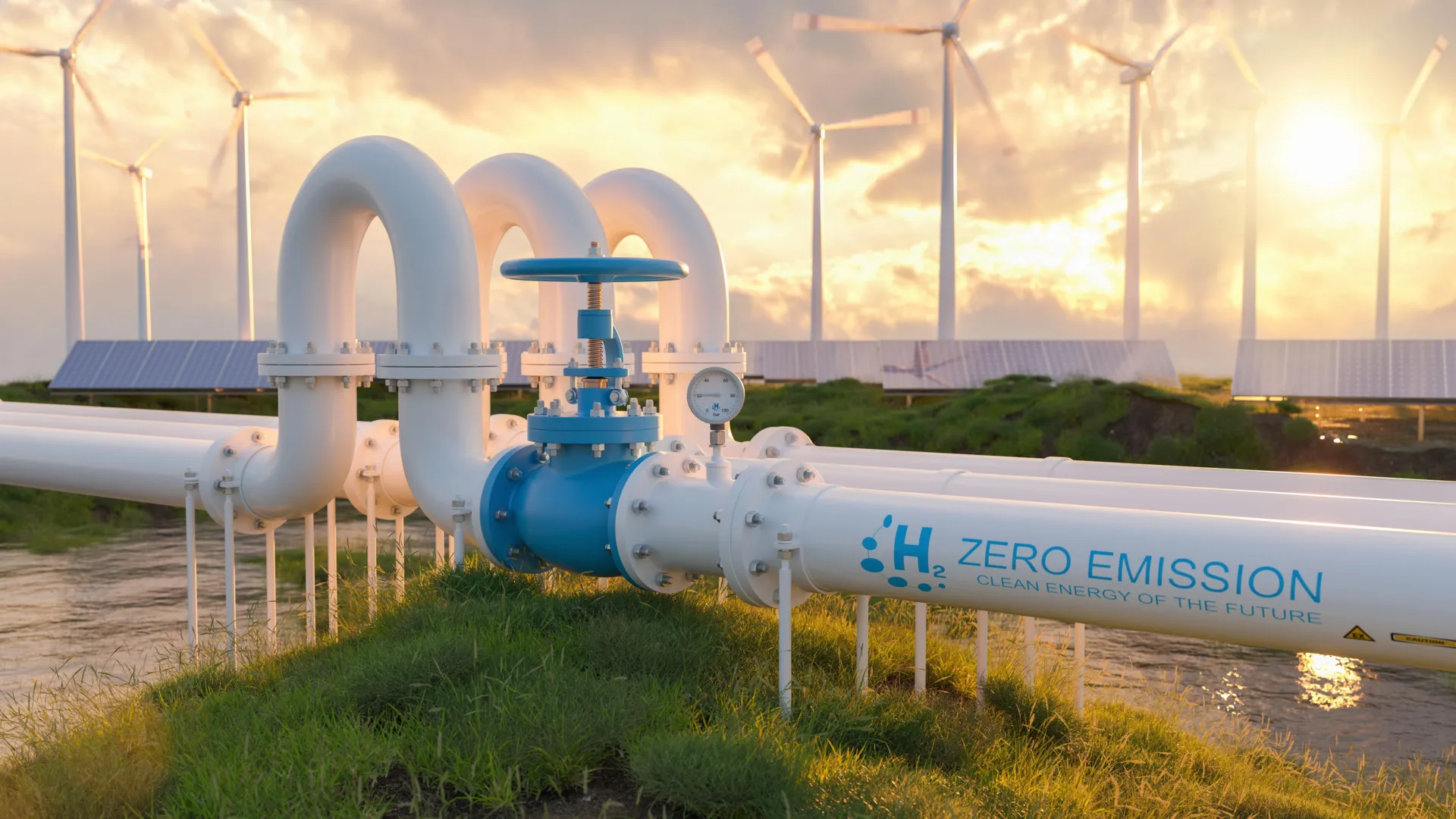
Researchers at the University of Birmingham have developed a perovskite-based catalyst that splits water into hydrogen at much lower temperatures than existing technologies, potentially making clean hydrogen far cheaper and easier to generate. This breakthrough could enable waste heat from industrial processes and power plants to drive hydrogen production, expanding the economic viability of hydrogen across multiple sectors.
Policy & Investment
UN Chief Issues Impassioned Climate Blueprint as Europe Faces Deadly Heatwave
UN Secretary-General António Guterres released an ambitious climate solutions blueprint in response to Europe's severe heatwave, calling for accelerated global action on clean energy transition. The statement underscores the urgency of moving beyond fossil fuels and highlights the interconnection between climate action and public health resilience.
Largest U.S. Clean Energy Project Now Fully Operational After Nearly Two Decades
The $11 billion SunZia wind transmission project, the largest clean energy infrastructure initiative in U.S. history, began full operations this week after nearly two decades of permitting and construction. The project delivers wind power from New Mexico to Arizona and California, representing a landmark in grid decarbonization. Owner Pattern Energy Group confirmed the operational status, marking a critical milestone for continental clean energy infrastructure.

UK Solar Developer Secures £175 Million Financing for 1 GW Pipeline
Watson Farley & Williams advised Eiffel Investment Group on a £175 million HoldCo financing for Enviromena, part of a £1 billion funding platform supporting construction and delivery of a 1 gigawatt solar photovoltaic pipeline in the UK. The deal signals continued institutional investor appetite for utility-scale solar projects in Europe despite broader economic uncertainties.
By the Numbers
| Metric | Value | Context |
|---|---|---|
| EV Battery Recycling Market CAGR (2026–2033) | 45.0% | Surge driven by regulatory pressure and raw material costs |
| Target Market Size (2033) | USD 19.0 billion | From ~USD 1.5 billion in 2024 |
| SunZia Project Capital | USD 11 billion | Largest U.S. clean energy infrastructure project ever built |
| UK Solar Pipeline Financing | £175 million | Part of £1 billion platform for 1 GW capacity |
| Solid-State Battery Capacity Retention | 84% | After 350 cycles; critical durability milestone |
What to Watch This Week
- GM NACS Rollout Timeline: Monitor announcements on dealer preparation and charging network partnerships as GM accelerates NACS integration across its 2027 lineup.
- Hydrogen Electrolyte Commercial Path: Track licensing discussions and pilot plant announcements from the University of Birmingham's perovskite catalyst breakthrough toward industrial deployment.
- SunZia Grid Integration: Watch for performance data and renewable energy market impact as the $11 billion transmission project begins feeding wind power to western grids.
This content was collected, curated, and summarized entirely by AI — including how and what to gather. It may contain inaccuracies. Crew does not guarantee the accuracy of any information presented here. Always verify facts on your own before acting on them. Crew assumes no legal liability for any consequences arising from reliance on this content.
Powered by
