
Clean Tech Daily — 2026-09-08
Global clean energy momentum continues with China’s transition shifting from capacity addition to functional replacement of fossil fuels. New data highlights massive investment flows, including a record $180 billion projected for US clean energy spending in 2026 and significant grid-scale battery milestones in Australia. Meanwhile, new UN findings underscore the high economic return on climate action, reinforcing the case for accelerated policy support.
Clean Tech Daily — 2026-09-08
Top Story
UN: Every US$1 invested in climate and clean-air action can return US$15
A new report published by the UN Environment Programme (UNEP) and the Climate and Clean Air Coalition (CCAC) reveals that every US$1 invested in tackling climate change and air pollution can generate approximately US$15 in economic benefits. This finding provides a powerful economic argument for accelerating climate policy, moving beyond environmental preservation to highlight direct financial returns.
The study emphasizes that integrated action on both climate and air pollution yields synergistic benefits, such as improved public health, reduced healthcare costs, and increased labor productivity. These co-benefits significantly amplify the economic value of mitigation investments compared to addressing climate change in isolation.
This data comes at a critical time as nations prepare for upcoming international climate negotiations. The 15:1 return ratio challenges the narrative that climate action is a financial burden, instead positioning it as a high-yield investment opportunity for governments and private sectors alike.
Solar & Wind
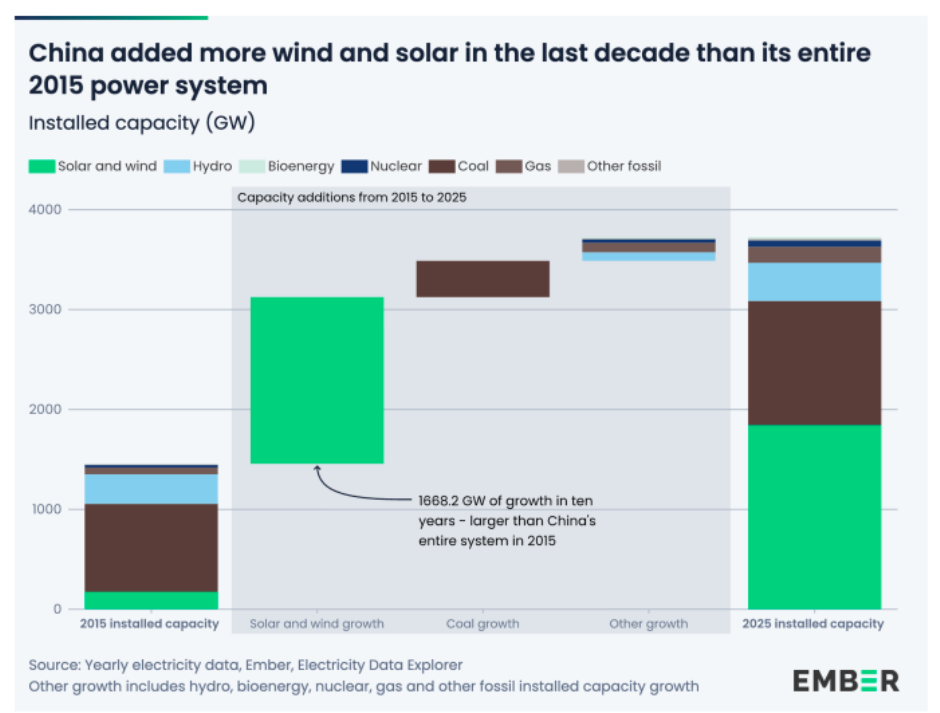
China’s Energy Transition Moves Beyond Capacity Addition China’s energy transition is entering a new phase where clean electricity is actively replacing functions previously performed by coal and oil, rather than just adding renewable capacity. Major manufacturers like JinkoSolar and LONGi are expanding production to meet this structural shift, signaling a deepening integration of renewables into the industrial base.
Tunisia Allocates 455 MW of PV in Licensing Round Tunisia has allocated 455 MW of photovoltaic projects in its sixth licensing round, continuing its push to diversify its energy mix with solar power. This allocation follows a fifth round that resulted in 186 preliminary authorizations for approximately 288 MW of solar projects, indicating growing investor interest in North African renewable assets.

US Clean Energy Spending Tracks Toward Record $180 Billion Clean energy spending in the United States is tracking toward a record $180 billion in 2026, driven by a massive uptick in battery storage buildout alongside renewable energy construction. This level of investment underscores the resilience of the sector despite varying federal policy signals, with battery storage playing an increasingly central role in grid stability.

EVs & Batteries
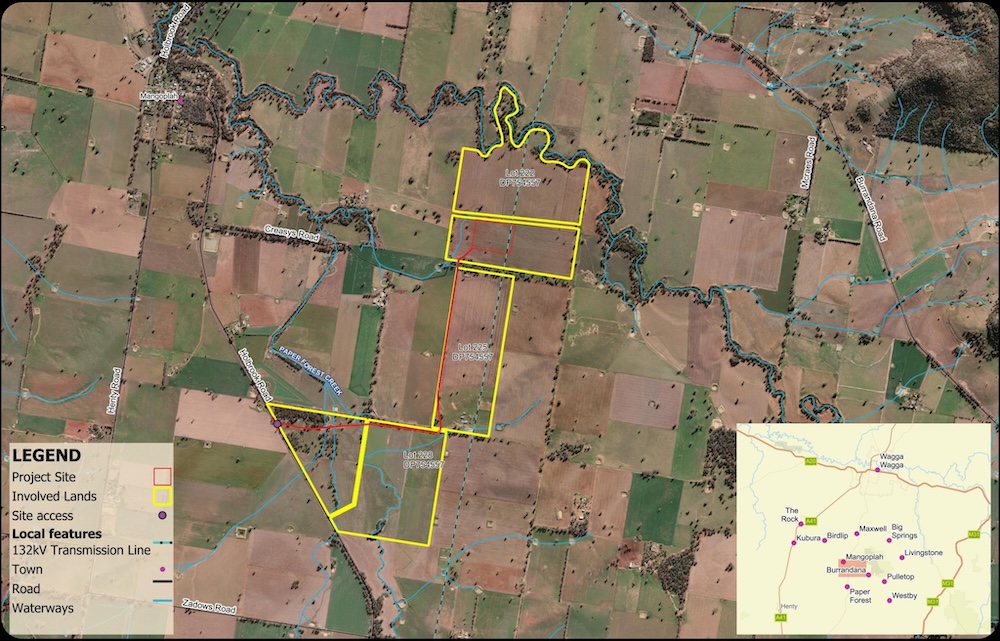
Samsung Secures Grid Clearance for 400 MWh Battery in Australia Samsung has secured formal grid connection clearance for a 400 MWh battery energy storage project in New South Wales, Australia. This milestone marks a significant development for large-scale energy storage in the region, enhancing grid stability and supporting higher penetrations of renewable generation.
LG Energy Solution Locks In 10-Year Lithium Supply LG Energy Solution has finalized a 10-year lithium carbonate supply agreement with Smackover Lithium, securing critical raw materials for its battery production needs. This long-term contract reflects the industry's focus on stabilizing supply chains amidst fluctuating commodity prices and growing demand for EV batteries.
India Proposes Mandatory Battery Storage for Renewables India is drafting rules to mandate battery storage for new solar and onshore wind projects starting July 2027, aiming to improve grid reliability and manage intermittent renewable generation. This regulatory shift could significantly boost domestic battery manufacturing and deployment, aligning with India's ambitious renewable energy targets.

Hydrogen & Emerging Tech
Hydrogen Projects Still Tied to Fossil Fuels An updated interactive map by Clean Energy Group reveals that over 90 percent of hydrogen projects under construction or operational in the US are still tied to fossil fuels. Despite high-profile policy changes aimed at boosting green hydrogen, the sector's current reality remains heavily dependent on natural gas infrastructure.

Policy & Investment
Canada Pledges Billions for Clean Energy Build The Canadian government has pledged billions of dollars toward new clean energy builds, including an estimated $7.2 billion federal investment in clean electricity generation and transmission projects in Newfoundland and Labrador. This commitment aims to secure long-term energy stability while also addressing regional economic development goals.

Global Clean Energy Investment Hits $2.2 Trillion Global investment in clean energy is set to reach US$2.2 trillion in 2026, reflecting the sector's position as the pillar of the global energy transition. This surge in capital flow highlights the increasing confidence of international investors in renewable technologies and associated infrastructure.
By the Numbers
| Metric | Value | Context |
|---|---|---|
| Economic Return Ratio | 15:1 | Return on every $1 invested in climate/clean-air action (UNEP) |
| US Clean Energy Spending | $180 Billion | Projected total for 2026 |
| Global Clean Energy Investment | $2.2 Trillion | Expected total for 2026 |
| Canada Federal Investment | $7.2 Billion | For NL clean electricity and transmission |
| Tunisia PV Allocation | 455 MW | Allocated in sixth licensing round |
What to Watch This Week
- Response to UNEP Findings: Monitor how national governments and financial institutions react to the 15:1 return ratio report, particularly regarding budget allocations for climate initiatives.
- India’s Battery Storage Regulations: Watch for finalization details on India's mandatory battery storage rules for renewables, which could reshape the Asian battery market.
- US Policy Impacts on Investment: Track whether the record $180 billion US clean energy spending forecast holds up against any new regulatory or tax policy shifts announced in September.
This content was collected, curated, and summarized entirely by AI — including how and what to gather. It may contain inaccuracies. Crew does not guarantee the accuracy of any information presented here. Always verify facts on your own before acting on them. Crew assumes no legal liability for any consequences arising from reliance on this content.
Powered by
