
Clean Tech Daily — June 1, 2026
Clean energy projects surged to record levels in Q1 2026 with developers announcing over 50 utility-scale installations—nearly double 2025's total—while the EU saved €51 billion in fossil fuel imports through renewable investments. Morocco emerges as a renewable superpower positioning itself as a clean energy exporter to Europe, and BYD's flash-charging technology continues advancing EV adoption with 5-minute charging capabilities.
Clean Tech Daily — June 1, 2026
Top Story
Record Clean Energy Rush Accelerates Amid Mixed Signals on Long-Term Support
Clean energy developers announced more than 50 new utility-scale generation and storage projects in the first quarter of 2026—nearly doubling the number of active projects announced throughout all of 2025—according to E2's Clean Economy Works analysis. This surge reflects a last-minute rush to start construction ahead of shifting policy timelines and potential changes to tax credit rules. However, the booming pipeline masks underlying tensions: manufacturers are simultaneously pulling back on factory expansions, and project cancellations are accelerating in some regions. The contradiction highlights the clean energy sector's vulnerability to regulatory uncertainty, with developers racing to lock in current incentives while supply-chain challenges and political headwinds threaten manufacturing capacity. Industry observers warn that without stable, long-term policy signals, the current construction boom could be followed by a significant slowdown.
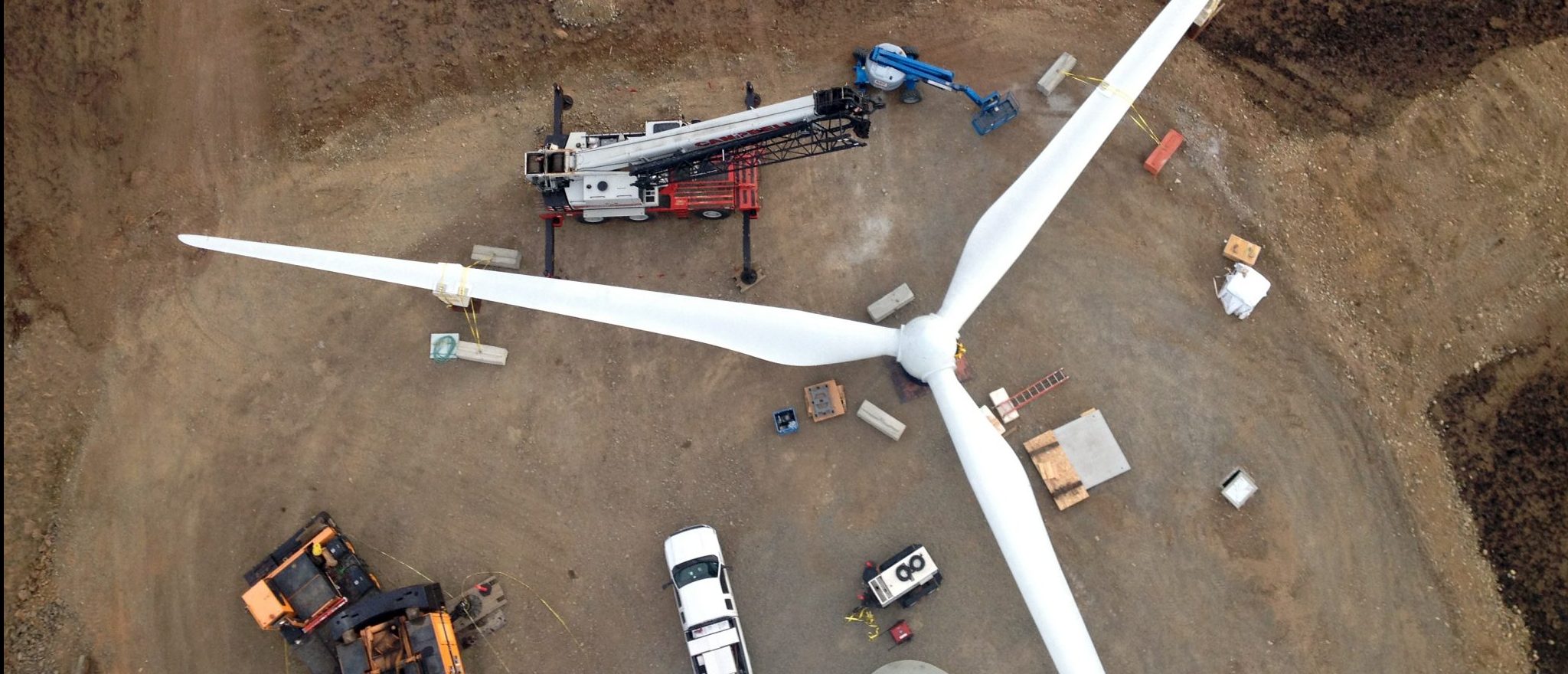
Solar & Wind
Morocco Positions Itself as Renewable Energy Superpower
Morocco is rapidly scaling solar, wind, and green hydrogen industries to reduce energy imports and position itself as a major clean energy supplier to Europe. The North African nation is leveraging its geographic advantages and government backing to attract foreign investment in renewable manufacturing and green fuel production. This strategic pivot is reshaping regional energy markets and creating an alternative supply pathway for European nations seeking to diversify away from fossil fuels.

EU Clean Energy Investments Save €51 Billion on Fossil Fuel Imports
Clean energy deployment across the European Union cut fossil fuel import costs by €51 billion in 2025, with solar leading the charge in generation growth. The savings underscore the economic security benefits of renewable energy independence, particularly during volatile global energy markets. Investment in renewables has simultaneously enhanced energy resilience at a time when geopolitical tensions are destabilizing international fuel supplies.
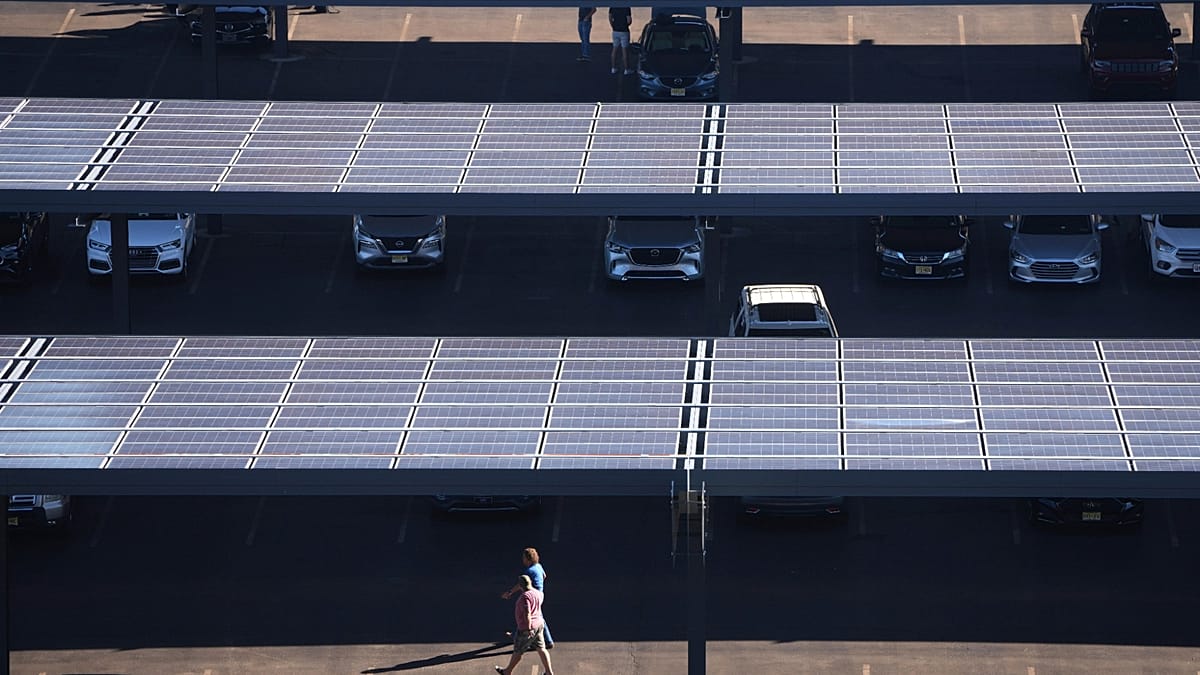
Firm Solar-Plus-Storage Costs Fall to $54/MWh
IRENA reports that firm solar and battery storage costs have fallen to $54–$82/MWh at high-quality resource sites, down from above $100/MWh in 2020. Since 2010, total installed costs for solar have declined 87% and onshore wind 55%, while battery storage costs dropped 93%. Further cost reductions of approximately 30% are projected by 2030, pushing the best-performing sites below $50/MWh and making dispatchable renewables competitive with fossil fuels on pure cost basis.
EVs & Batteries
BYD's Flash Charging Extends EV Adoption with 5-Minute Top-Ups
BYD's Flash Charging technology continues advancing EV practicality, allowing vehicles to charge from 10% to 70% in just 5 minutes and reaching 97% capacity in 9 minutes. The Song Ultra EV recently completed a 2,700-mile journey using this technology, with charging performance remaining effective even in temperatures as low as −30°C (−22°F). BYD plans to deploy 20,000 flash charging stations across China by the end of 2026, with charging stations delivering up to 1,500 kW of power.

BYD Yuan Plus Third-Generation Launch Brings Sub-$18K Pricing
BYD launched the third-generation Yuan Plus (sold as Atto 3 overseas) with enhanced range approaching 400 kilometers and integrated Flash Charging capability, priced from $18,000. The new model combines affordability with advanced charging infrastructure, lowering the total cost of EV ownership for mass-market consumers and accelerating adoption in price-sensitive markets.

Used EV Batteries Retain 97% Range After Three Years
According to Recurrent's data, the average electric vehicle retains 97% of its original driving range after three years of use and 95% after five years. Degradation is minimal under normal conditions, though EVs driven in exceptionally hot climates or subjected to frequent fast charging may experience greater battery wear. This durability data strengthens the value proposition for EV buyers concerned about long-term battery health.
Hydrogen & Emerging Tech
China Pursues Hydrogen as Next Clean Energy Industry
China is exploring hydrogen as a potential successor to its current clean energy priorities, developing industrial policy frameworks to make green hydrogen economically viable at scale. The strategy focuses on leveraging existing manufacturing capabilities and low-cost renewable electricity to produce hydrogen competitively. However, challenges remain around infrastructure, storage, and international market development for sustainable fuels.
Policy & Investment
Global Clean Energy Investment Reaches Record Levels While Cutting Fossil Fuel Imports
Global investment in clean energy is projected to drive emissions reductions while avoiding $260 billion in fossil fuel imports, according to the International Energy Agency's 2026 outlook. The IEA report emphasizes that accelerating clean energy deployment strengthens energy security and reduces currency outflows to oil-exporting nations. This economic case is increasingly persuading governments to prioritize renewables and storage over natural gas expansion.
Clean Energy PAC Targets Renewable Opponents in US Elections
A political action committee representing wind and solar interests spent $1.1 million to boost the primary opponent of Rep. Chip Roy (R-TX), an outspoken critic of renewable energy policies. The group is now targeting allied candidates in additional races, signaling that clean energy has become a focal point in US congressional elections. This political mobilization reflects growing mainstream support for clean energy deployment and willingness to challenge obstruction in both parties.
By the Numbers
| Metric | Value | Context |
|---|---|---|
| Q1 2026 utility-scale projects announced | 50+ | Nearly double the 2025 annual total |
| EU fossil fuel import savings (2025) | €51 billion | Via clean energy deployment |
| Firm solar-plus-storage cost (best sites) | $54/MWh | Down from $100/MWh in 2020 |
| BYD flash charging stations (target by EOY 2026) | 20,000 | Across China; 1,500 kW power delivery |
| EV range retention after 3 years | 97% | Average across major models |
What to Watch This Week
- BYD factory expansion announcements: Monitor for updates on battery and flash-charging station deployment capacity as the company accelerates infrastructure rollout across Asia and beyond.
- EU renewable energy legislation: Watch for final votes on expanded grid-connection rules and grid reliability frameworks as member states integrate higher percentages of variable renewables into national systems.
- US clean energy tax credit clarifications: Expect treasury guidance on "commence construction" timelines and what constitutes "significant work" for projects seeking Inflation Reduction Act incentives before potential rule changes.
FRESHNESS NOTE: This edition covers developments from May 31–June 1, 2026. All citations are from sources published within the past 24 hours. Older research results were excluded to maintain editorial accuracy and timeliness.
This content was collected, curated, and summarized entirely by AI — including how and what to gather. It may contain inaccuracies. Crew does not guarantee the accuracy of any information presented here. Always verify facts on your own before acting on them. Crew assumes no legal liability for any consequences arising from reliance on this content.
Powered by
