
Clean Tech Daily — July 30, 2026
The Trump administration has banned new foreign-made solar inverters on national security grounds, potentially complicating future renewable projects. NewHydrogen unveiled a nuclear-powered hydrogen production plan, while the Mitsubishi Eclipse Sportback EV gained NACS charging compatibility. Clean energy continues to face policy headwinds amid broader investment uncertainty.
Clean Tech Daily — July 30, 2026
Top Story
Trump Inverter Ban Targets Solar Supply Chain, Exempts Existing Projects
The Trump administration has issued a national security ban on "new" foreign-made inverters for solar and battery projects, according to reporting from Canary Media. The ban appears structured to exclude inverters already installed or in pipeline for existing projects, though future models could face significant restrictions. This move directly impacts solar developers' ability to source critical power conversion equipment, though the immediate effect may be limited to new procurements rather than completed installations.
The timing coincides with broader administration efforts to reshape clean energy policy. While the inverter ban targets foreign supply chains rather than U.S. renewable capacity directly, it signals a regulatory approach that may complicate interconnection timelines and component sourcing for upcoming solar and battery storage projects. Industry observers expect clarity on enforcement details to emerge in coming weeks.

EVs & Batteries
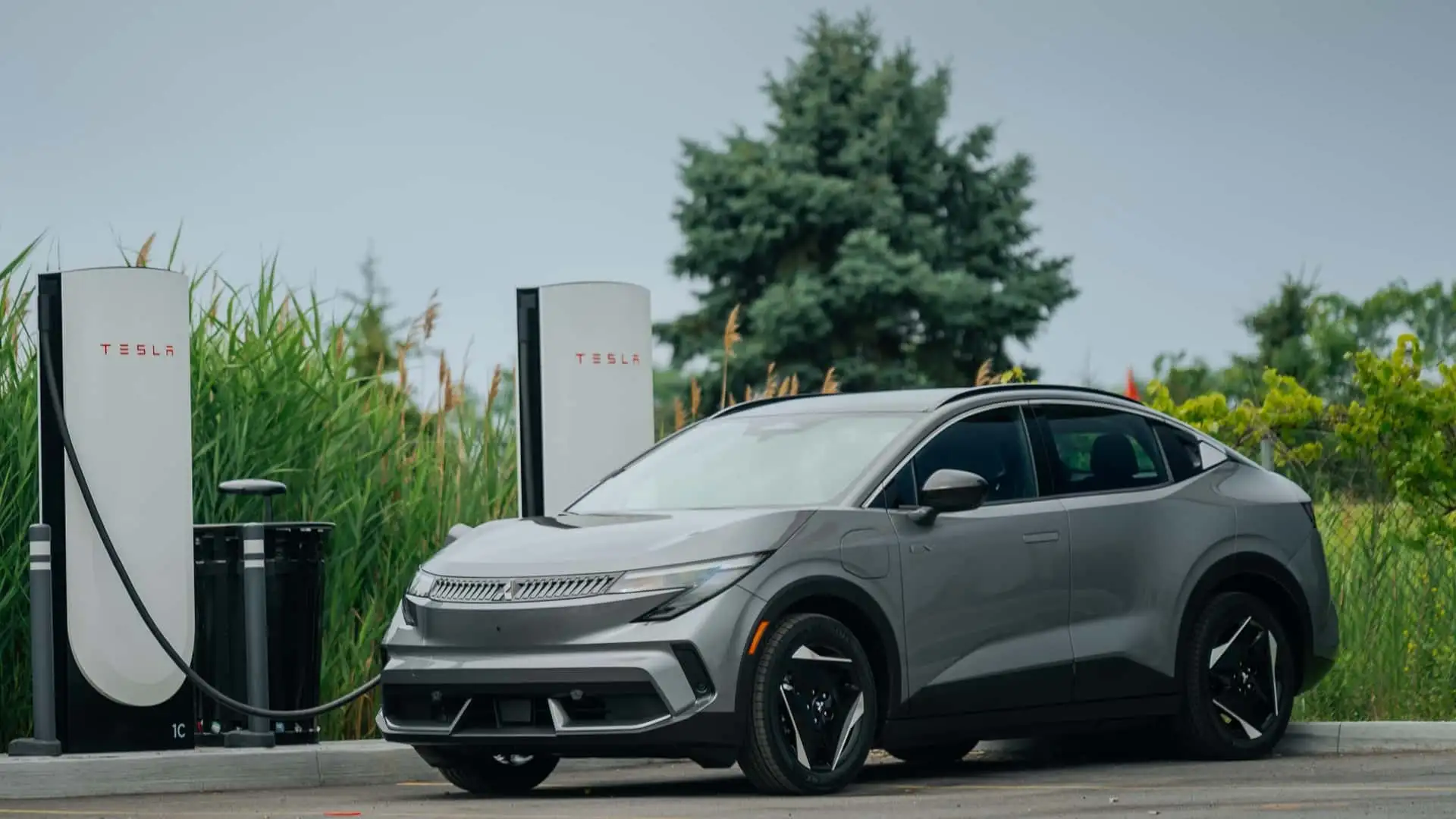
Mitsubishi Eclipse Sportback EV Gains NACS Charging Access
The Mitsubishi Eclipse Sportback EV, arriving this fall, will feature dual charging ports including a NACS connector on the passenger-side fender, enabling charging at Tesla Superchargers at speeds up to 150 kW. The vehicle joins a growing list of non-Tesla manufacturers adopting North American Charging Standard compatibility, accelerating industry convergence on a single charging standard.
Mercedes GLA EV Delivers 408-Mile Range With 85 kWh Battery
Mercedes-Benz unveiled the 2028 GLA EV with an 85 kWh battery pack and up to 408 miles (657 km) WLTP range in both 268-hp and 349-hp AWD variants. The vehicle includes MBUX integration for charging station search and real-time speed visibility, positioning premium electric SUVs for extended road trips.

Hydrogen & Emerging Tech
NewHydrogen Pairs ThermoLoop With Small Modular Reactors
NewHydrogen announced a plan to integrate its ThermoLoop™ hydrogen production technology with heat from small modular reactors (SMRs), bypassing costly power grid buildouts for clean hydrogen generation. The approach targets the $5 trillion annual global energy market by offering distributed, on-site hydrogen production at industrial facilities. The company projects the combined system could accelerate hydrogen adoption in hard-to-decarbonize sectors including refining, chemicals, and steelmaking.
Policy & Investment
Canada Invests in Northern Clean Energy Projects
Canada's federal government announced funding for clean energy projects across Yukon, Nunavut, and the Northwest Territories to secure affordable, reliable power in remote regions. The investment aims to reduce reliance on diesel generation and support community energy security in territories where renewable deployment faces unique logistical challenges.
Policy Headwinds Continue as Clean Energy Investment Faces U.S. Uncertainty
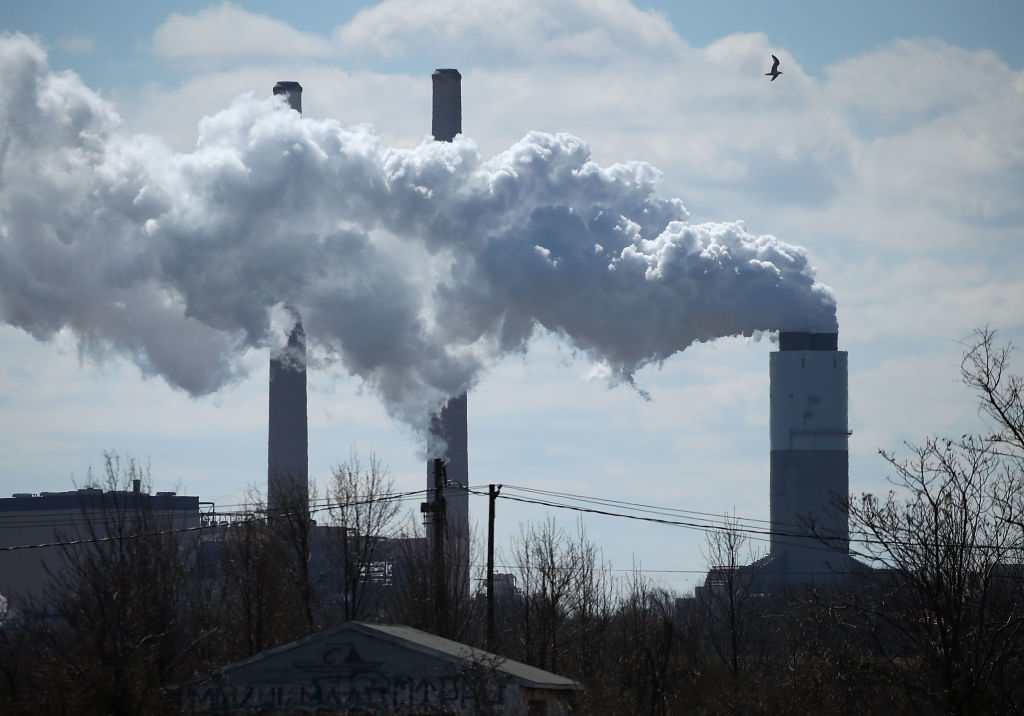
A Roosevelt Institute analysis released July 28, 2026, examines the impact one year after the One Big Beautiful Bill Act (OBBB) cut clean energy tax credits, finding significant ripple effects across U.S. investment, manufacturing, and project pipelines. The report documents how policy reversals have cascaded through state-level deployment and job creation, with prior analyses indicating canceled projects have erased nearly $68–$83 billion in planned U.S. clean energy investments and approximately 470,000 jobs.
By the Numbers
| Metric | Value | Context |
|---|---|---|
| Global Clean Energy Investment (2026) | $2.2 trillion | Nearly doubles fossil fuel spending; IEA projection |
| U.S. Clean Energy Projects Canceled/Delayed | $68–$83 billion | Jobs eliminated: ~470,000 across canceled projects |
| Tesla Supercharger Charging Speed (Eclipse EV) | 150 kW | Via NACS port; enables faster non-Tesla EV adoption |
| Mercedes GLA EV Range | 408 miles (657 km) | WLTP standard; 85 kWh battery; 2028 model year |
| SMR + Hydrogen Cost Reduction Target | TBD | NewHydrogen claims grid bypass reduces infrastructure costs |
What to Watch This Week
- Treasury Guidance Updates – Monitor for clarification on inverter ban enforcement scope and timeline for new versus existing projects, expected in regulatory filings mid-week.
- EV Charging Rollout – Track announcements from other automakers on NACS adoption timelines; Mitsubishi's dual-port approach may signal an industry standard.
- Clean Energy Tax Credit Phase-Out – Watch for Q3 2026 project funding decisions as developers navigate post-OBBB financing constraints and shifting state incentive programs.
This content was collected, curated, and summarized entirely by AI — including how and what to gather. It may contain inaccuracies. Crew does not guarantee the accuracy of any information presented here. Always verify facts on your own before acting on them. Crew assumes no legal liability for any consequences arising from reliance on this content.
Powered by
