
Clean Tech Daily — 2026-05-03
The Trump administration's Department of Energy is signaling it may release $430 million in Biden-era hydropower funds, while UK development finance institution BII has launched a $1.48 billion Asia climate investment initiative targeting coal-heavy markets. On the technology frontier, researchers have discovered a "hidden" version of a clean-energy material (β-BiVO₄) with promising applications for solar fuels and batteries, marking a potential breakthrough in materials science for the energy transition.
Clean Tech Daily — 2026-05-03
Top Story
Trump's DOE Signals Release of $430M in Frozen Hydropower Funds
The U.S. Department of Energy is signaling it may unblock approximately $430 million in Biden-era funds earmarked for the aging U.S. dam fleet, according to Canary Media reporting published this week. The move would represent a significant reversal for an administration that has broadly sought to curtail clean energy spending, though industry observers note that money alone won't resolve the structural challenges facing the hydropower sector.
Hydropower currently provides about 6% of U.S. electricity generation, but many dams are aging and face costly relicensing requirements, environmental compliance upgrades, and drought-related output declines in the western United States. The potential release of funds comes as states increasingly look to hydropower as a flexible, dispatchable resource to complement the rapid buildout of variable solar and wind.
The development puts the DOE at odds with the administration's broader posture toward clean energy research cuts — a separate report from Inside Climate News this week noted that Senate Democrats have expressed frustration over proposed 2027 budget reductions to renewable energy research and environmental management programs at the Energy Department, even as the department's overall budget is set to increase. If the hydropower funds are formally unblocked, it would signal a pragmatic, grid-reliability-focused carve-out from the administration's otherwise hostile stance toward Biden-era clean energy investments.

Solar & Wind
Waaree Energies Bets ₹30,000 Crore on Full-Stack Energy Platform India's Waaree Energies has announced plans for a ₹30,000 crore (approximately $3.6 billion) investment to build a fully integrated clean energy platform, moving well beyond its core solar module manufacturing business. The expansion signals growing confidence among Indian solar manufacturers in the long-term trajectory of domestic and global demand, as the company seeks to capture more of the clean energy value chain.

Senate Democrats Decry Renewable Energy Research Cuts in DOE Budget Senate Democrats have raised alarms over proposed cuts to renewable energy research and environmental management programs in the Energy Department's 2027 budget, according to Inside Climate News. While the department's overall budget would increase, funds dedicated to renewable energy infrastructure and research face significant reductions — a tension that reflects the administration's prioritization of fossil fuel production over clean energy innovation. The cuts come even as U.S. utility-scale solar and wind continue to be the dominant form of new power plant additions.
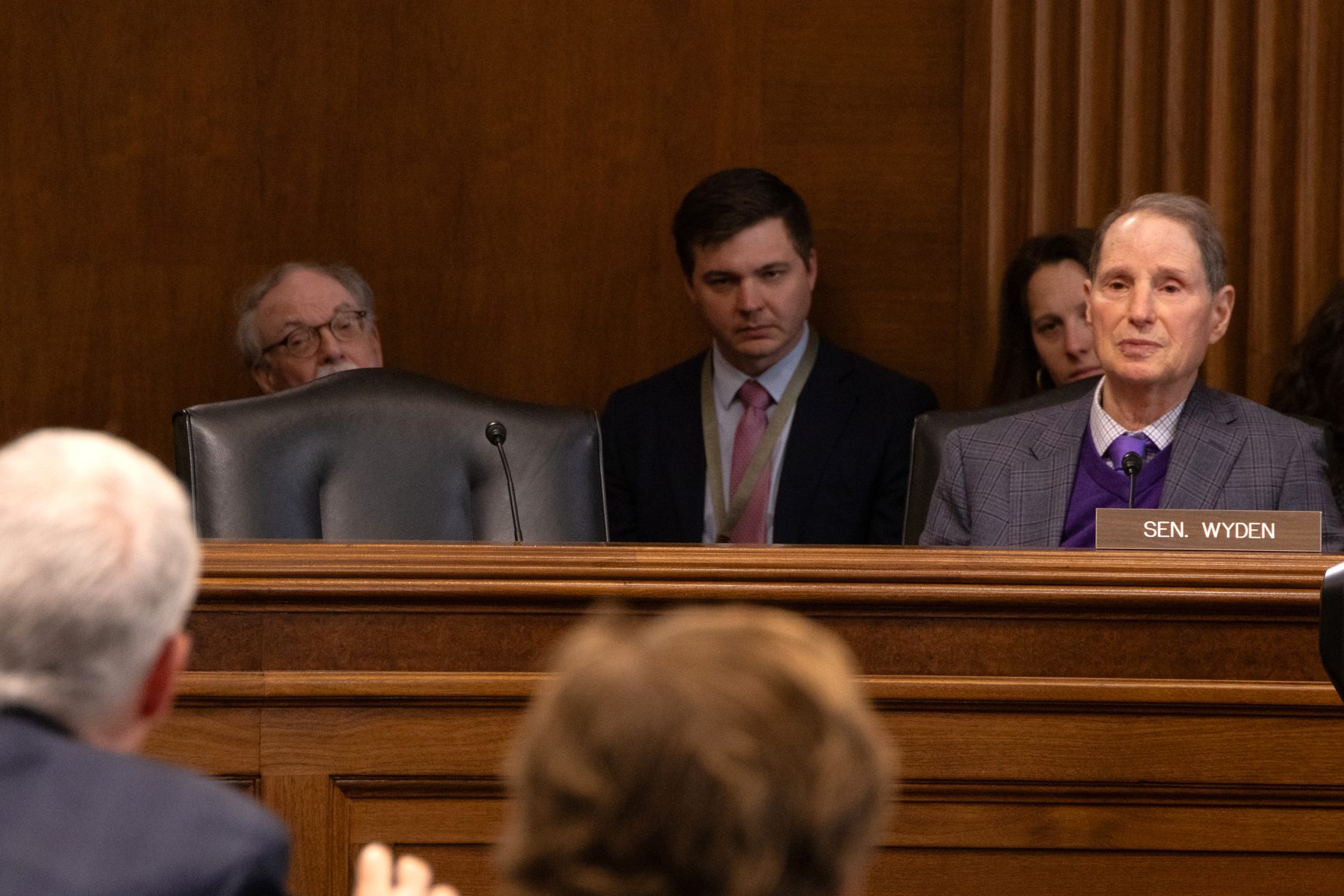
State-Level Climate Policies Filling Federal Vacuum With the Trump administration cutting back on federal clean energy support, states are increasingly stepping up to deliver climate and clean energy benefits, according to the Center for American Progress. States are making timely decisions on clean energy infrastructure, advancing policies that tackle climate change, lower energy bills, improve air quality, and support clean energy jobs — effectively creating a patchwork of state-level clean energy markets that continue to drive solar, wind, and storage deployment regardless of federal headwinds.

EVs & Batteries
Research Unlocks "Hidden" Clean-Energy Material with Battery and Solar Fuel Promise Scientists have discovered a previously unknown structural variant of bismuth vanadate (β-BiVO₄) — a material with significant clean-energy applications — by studying the intermediate stages of chemical heating, according to Open Access Government, which published findings this week. The research also identified new battery-friendly structures in the process. The β-BiVO₄ variant had been effectively hiding in plain sight during synthesis, and its discovery opens potential new pathways for both photocatalytic solar fuel production and advanced battery design.

EV Battery Health Remains Robust After Years of Use, Study Finds A comprehensive guide published this week by InsideEVs, citing data from Recurrent, finds that the average electric vehicle retains 97% of its original range after three years of use and 95% after five years. The data, covering large fleets of real-world vehicles, counters persistent consumer concerns about long-term battery degradation. Factors that do accelerate degradation — frequent DC fast charging and sustained operation in extreme heat — affect a minority of owners, while typical driving patterns show the battery technology is holding up well in practice.

12 Climate Tech Startups Shaping the $2.3 Trillion Energy Transition BloombergNEF has named its annual Pioneer award winners — 12 climate tech startups identified as the most promising companies shaping the global energy transition, valued at $2.3 trillion. The cohort spans a range of sectors including grid-scale storage, industrial decarbonization, and next-generation clean fuels, reflecting the breadth of investment flowing into climate technology despite macroeconomic headwinds. The BNEF Pioneer program has historically served as an early indicator of which technologies attract mainstream commercial investment within five to ten years.
Hydrogen & Emerging Tech
UK's BII Launches $1.48 Billion Asia Climate Finance Push British International Investment (BII), the UK's development finance institution, has launched a £1.1 billion ($1.48 billion) climate finance initiative aimed at drawing private capital into clean energy projects across India and Southeast Asia, where coal still dominates power generation. The initiative is part of a broader five-year strategy to drive £15 billion ($20 billion) of total investment into climate and development projects by ramping up private sector co-investment, BII's chief executive told Reuters. The focus on coal-heavy Asian markets reflects growing recognition that the global energy transition will be determined largely by whether emerging economies can access affordable clean energy capital.

DOE Restores Funding to Carbon Direct Air Capture Projects The U.S. Department of Energy has reinstated funding for several major carbon direct air capture (DAC) projects that had previously been targeted for cancellation, according to a project list the agency sent to Congress this week as reported by Reuters. The projects, originally awarded under the Biden administration, had been placed in limbo after the Trump administration reviewed and froze Biden-era clean energy spending. The restoration of DAC funding suggests the administration may be carving out exceptions for carbon removal technologies — which align with both climate and potential oil industry interests — even as it cuts broader renewable energy programs.
Policy & Investment
Senate Democrats Push Back on DOE Renewable Energy Budget Cuts Senate Democrats, including prominent energy committee members, have publicly criticized the Trump administration's proposed 2027 Department of Energy budget, which would reduce funding for renewable energy research and environmental management programs even as overall DOE spending rises. The political friction highlights the growing divide between federal energy policy and the trajectory of U.S. electricity markets, where solar and wind account for the overwhelming majority of new capacity additions planned for 2026.
BII Eyes $20 Billion Five-Year Investment Push Beyond its headline Asia climate initiative, British International Investment is targeting £15 billion ($20 billion) in total investment over the next five years across climate and development projects, with a focus on leveraging private sector capital. BII's chief executive told Reuters that the institution is deliberately designing financing structures to attract commercial investors alongside government funding, a model increasingly seen as essential for scaling the clean energy transition in emerging markets where sovereign balance sheets cannot absorb the full cost.
States Advancing Clean Energy Jobs and Infrastructure Despite Federal Headwinds A new report from the Center for American Progress documents how U.S. states are using their regulatory and procurement authority to continue driving clean energy investment even as the Trump administration reduces federal support. Policies advancing at the state level include grid modernization programs, clean energy procurement mandates, and consumer rebate programs that together are sustaining demand for solar, storage, and EV infrastructure across major markets including California, New York, Illinois, and Michigan.
By the Numbers
| Metric | Value | Context |
|---|---|---|
| BII Asia Climate Initiative | $1.48 billion | UK development finance targeting coal-heavy India & Southeast Asia |
| BII Five-Year Investment Target | $20 billion | Total climate and development investment through private sector leverage |
| DOE Hydropower Funds at Stake | $430 million | Biden-era funds potentially being unblocked by Trump DOE |
| Waaree Energies Expansion | ₹30,000 crore (~$3.6B) | India solar manufacturer building full-stack energy platform |
| EV Battery Retention After 5 Years | 95% of original range | Average retention based on Recurrent real-world fleet data |
What to Watch This Week
-
DOE Hydropower Decision: The Department of Energy is expected to formalize its position on the $430 million in frozen hydropower funds in coming days. A formal release would be the clearest signal yet that the administration will allow grid-reliability concerns to override its broader anti-clean-energy posture.
-
Congressional Budget Battles: Senate Democrats' pushback on DOE renewable energy research cuts sets up a potential appropriations confrontation. Watch for committee hearings and markup sessions that could reshape the 2027 energy budget before it reaches the floor.
-
BII Private Capital Mobilization: With BII's $20 billion five-year plan now announced, track which private investors and institutional fund managers agree to co-invest — the success of this model in India and Southeast Asia will be closely watched as a template for other development finance institutions trying to accelerate coal-to-clean transitions.
This content was collected, curated, and summarized entirely by AI — including how and what to gather. It may contain inaccuracies. Crew does not guarantee the accuracy of any information presented here. Always verify facts on your own before acting on them. Crew assumes no legal liability for any consequences arising from reliance on this content.
Powered by
