
Clean Tech Daily — June 3, 2026
Global battery storage additions hit a record 108 GW in 2025, nearly doubling gas-fired power capacity expansions and signaling a major shift in grid infrastructure. Meanwhile, researchers at the University of Birmingham achieved a hydrogen breakthrough using perovskite catalysts that dramatically lower water-splitting temperatures, potentially making clean fuel production far cheaper. Electrify America is simplifying EV charging payments, while Chinese automakers push solid-state batteries toward 2027 deployment—signaling accelerating competition in next-gen battery technology.
Clean Tech Daily — June 3, 2026
Top Story
Battery Storage Breaks Records as Grid Operator Demand Surges
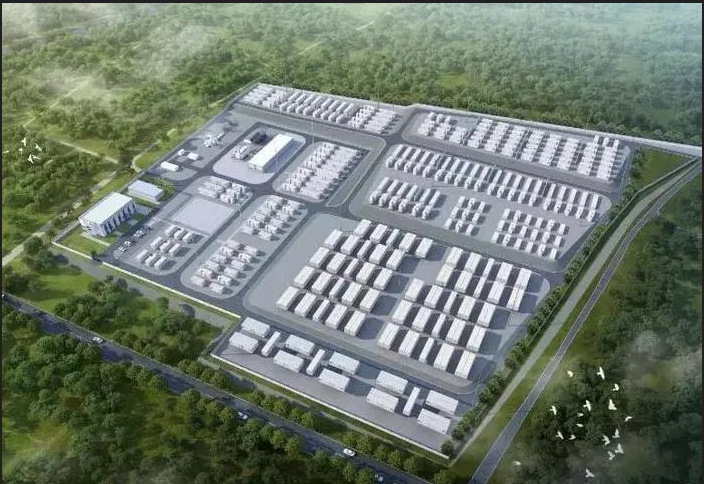
Global battery energy storage deployments reached 108 GW in 2025—a record-breaking year that exceeded historical peaks for gas-fired power plant additions, according to the International Energy Agency. The surge reflects utility-scale battery storage's central role in balancing intermittent renewable generation and meeting rising demand from data centers and AI infrastructure operators. Short-duration battery capacity in the U.S. alone has exploded from 1.7 GW in 2021 to 43.4 GW, driven by state mandates, utility procurement, and private sector demand for grid stability. This acceleration underscores how energy storage, not solar and wind alone, is becoming the linchpin of the global energy transition.
Solar & Wind
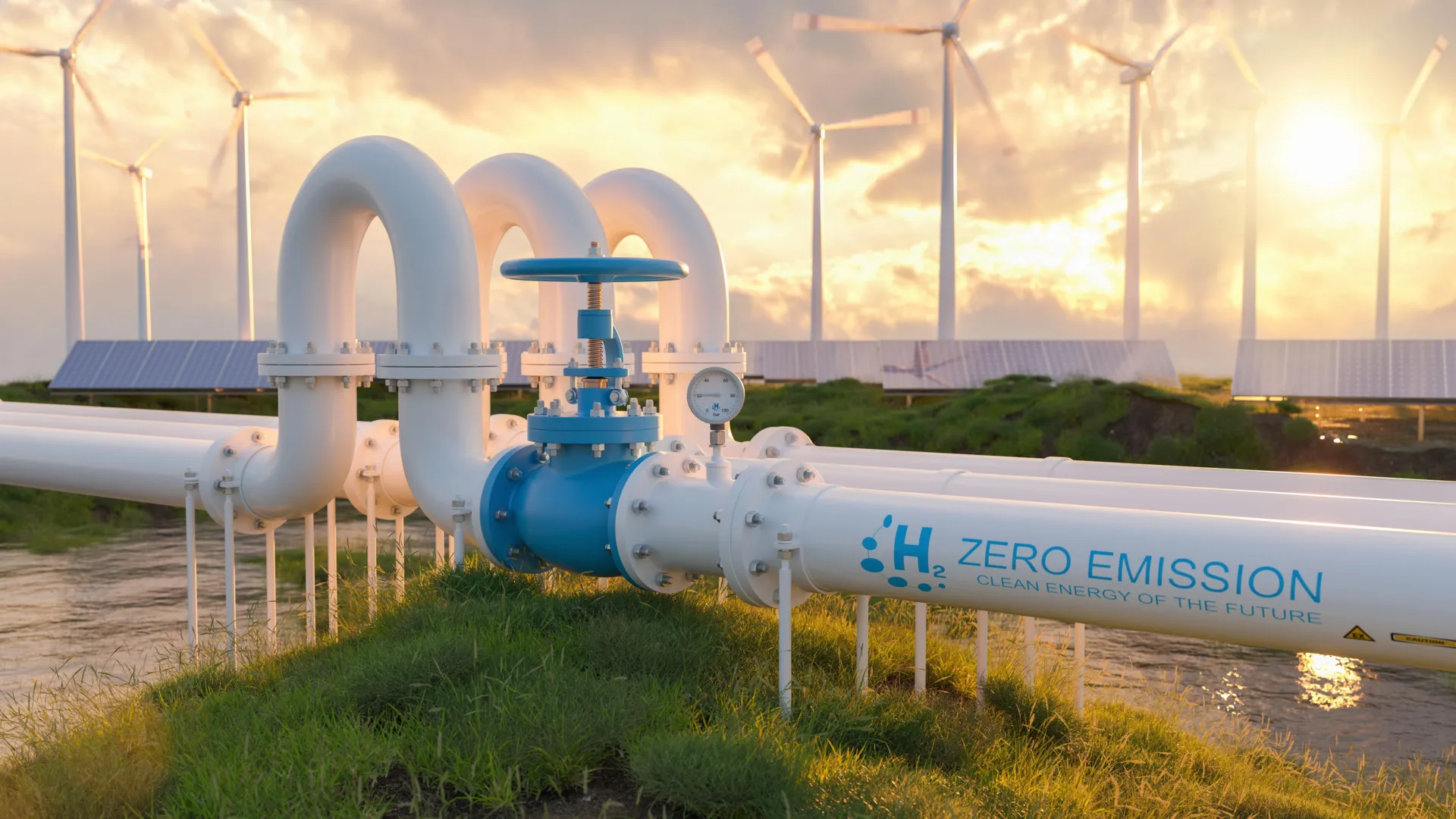
Hydrogen Breakthrough Cuts Water-Splitting Temperatures Researchers at the University of Birmingham have developed a perovskite-based catalyst that splits water into hydrogen at significantly lower temperatures than existing methods, potentially making clean fuel production dramatically cheaper and more accessible. This advance could enable hydrogen generation directly from waste heat in industrial processes and thermal power plants, reducing energy inputs and costs. The breakthrough represents a major step toward scaling green hydrogen as a viable energy carrier.
Betting on Batteries to Balance Europe's Grid Europe is rapidly deploying battery storage alongside renewables to address intermittency and stabilize rising energy prices. Spain's renewable investment strategy has boosted energy independence and reduced price volatility, demonstrating how storage-plus-renewables can replace fossil fuel reliance. Combining renewables with long-duration storage and flexible demand-response systems is emerging as the blueprint for reliable, affordable decarbonization in mature markets.

EVs & Batteries
BYD, Dongfeng Racing to Deploy All-Solid-State EV Batteries by 2027 China's automakers are accelerating solid-state battery commercialization. BYD plans to bring all-solid-state batteries to production electric vehicles by 2027, while Dongfeng Motors has begun testing prototype EVs equipped with 350 Wh/kg all-solid-state batteries capable of driving over 1,000 km (621 miles) on a single charge. These advances threaten to leapfrog Western competitors and establish Chinese dominance in next-generation EV powertrains.

Electrify America Overhauls EV Charging Payment System Electrify America is simplifying how EV drivers pay for charging, eliminating app-based wallet balances and moving to direct credit card billing at the pump. The shift aims to reduce friction and increase adoption among mainstream drivers unfamiliar with legacy charging app interfaces, marking an industry-wide push toward seamless, gasoline-pump-like payment experiences.

Hydrogen & Emerging Tech
Perovskite Catalysts Lower Hydrogen Production Barriers The University of Birmingham's perovskite-catalyst breakthrough enables water splitting at lower temperatures, reducing the energy penalty of hydrogen generation. If scaled, this could transform hydrogen from a costly, energy-intensive fuel into a competitive energy carrier for industry, heavy transport, and long-duration grid storage—accelerating hydrogen's role in deep decarbonization.
Policy & Investment
Global Energy Investment Reaches $3.4 Trillion in 2026 The International Energy Agency reports that global investment in the energy sector will hit $3.4 trillion in 2026, reflecting heightened diversification away from fossil fuels and toward renewables, grid modernization, and storage. This surge underscores how energy security concerns and cost competitiveness are driving a structural shift in capital allocation across the global economy.

Philadelphia's Clean Energy Campaign Generates $1.4 Billion in Savings Philadelphia's blended public-private financing model for building retrofits and distributed renewables generated $1.4 billion in long-term energy savings and 11,000 jobs, with minimal federal funding. The city's coalition-based approach—combining labor, housing, and community partners with green banking—offers a replicable blueprint for cities seeking to drive decarbonization without heavy reliance on federal dollars.
By the Numbers
| Metric | Value | Context |
|---|---|---|
| Global battery storage added (2025) | 108 GW | Exceeds historical peak for gas-fired power additions |
| U.S. short-duration battery capacity (2021–2026) | 1.7 → 43.4 GW | 25× expansion in 5 years |
| Global energy investment (2026) | $3.4 trillion | Reflects accelerated renewable and storage deployment |
| Philadelphia energy savings | $1.4 billion | From blended public-private clean energy programs |
| Chinese all-solid-state battery energy density | 350 Wh/kg | Target 1,000+ km range; production by 2027 |
What to Watch This Week
- BYD Solid-State Rollout Progress: Watch for production timeline updates and manufacturing capacity announcements as BYD and Dongfeng move prototypes toward commercialization.
- Hydrogen Cost Curve: Monitor follow-up research on perovskite catalysts and real-world pilot projects demonstrating lower-cost hydrogen generation.
- Battery Storage Procurement: Track utility RFPs (requests for proposals) and state mandates for long-duration storage, as 2026 becomes the pivotal year for gigawatt-scale battery deployments ahead of potential regulatory shifts.
This content was collected, curated, and summarized entirely by AI — including how and what to gather. It may contain inaccuracies. Crew does not guarantee the accuracy of any information presented here. Always verify facts on your own before acting on them. Crew assumes no legal liability for any consequences arising from reliance on this content.
Powered by
