
Clean Tech Daily — 2026-05-21
BloombergNEF's New Energy Outlook 2026 projects that expanded electrification and new energy technologies will strengthen global energy security, released two days ago. Portland, Oregon's Clean Energy Fund has crossed the $1 billion milestone for climate action funded through a corporate retail tax — a model other cities are now studying. Meanwhile, BYD is pushing the boundaries of EV technology with a dramatic cross-country road trip to prove its new Flash Charging system delivers 10%-to-70% charge in just five minutes.
Clean Tech Daily — 2026-05-21
Top Story
BloombergNEF's New Energy Outlook 2026: Electrification and New Technologies to Reshape Global Energy Security
BloombergNEF released its flagship New Energy Outlook 2026 two days ago, finding that the transition to newer energy technologies and expanded electrification represents a critical pathway for strengthening nations' energy security. The annual report — one of the most closely watched benchmarks in the clean energy industry — highlights how countries that accelerate deployment of renewables and storage are increasingly insulated from volatile fossil fuel markets.
The report arrives alongside BNEF's separate finding that global wind capacity additions hit an all-time high in 2025, marking a third consecutive year of record installations. These milestones reinforce the Outlook's central thesis: that the economics and security benefits of the energy transition are compounding rapidly, creating powerful incentives even in politically contested environments.
The release frames 2026 as a pivotal year for clean energy deployment trajectories, with investment decisions made now expected to lock in energy cost structures for decades. Industry observers note the timing is significant given ongoing debates in the United States over the future of clean energy tax credits.

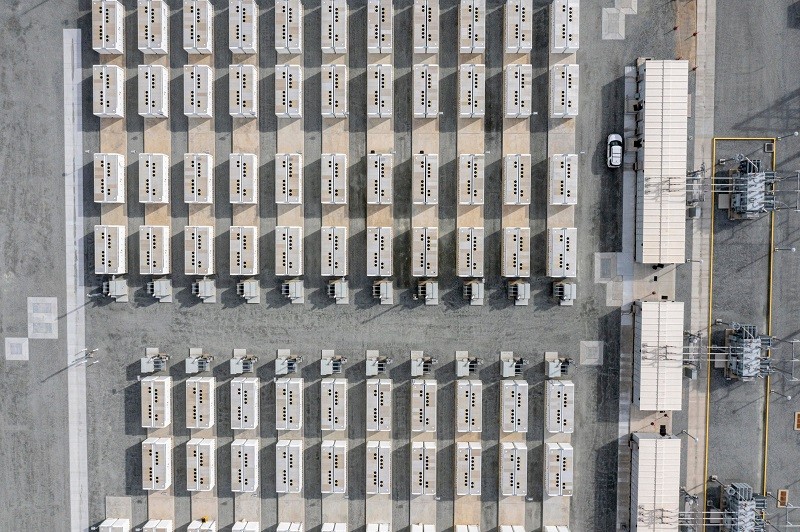
Solar & Wind
Portland's Clean Energy Fund Reaches $1 Billion — and Other Cities Are Watching
Portland, Oregon's Clean Energy Fund has raised a billion dollars for climate action through a retail tax on large corporations operating in the city, according to reporting from NPR published just 14 hours ago. The fund focuses on community-level clean energy deployment and climate resilience projects, with an emphasis on low-income neighborhoods. The model is now drawing serious interest from other U.S. cities exploring similar mechanisms to finance the energy transition independently of federal support.

China Widens Clean Energy Manufacturing Lead
Chinese companies now account for more than half of all global investments in clean energy manufacturing since 2019, according to Inside Climate News reporting from one week ago. New U.S. clean energy manufacturing investments actually declined last year, widening the gap between the world's two largest economies on industrial clean energy capacity. The divergence comes as the Trump administration has moved to roll back some clean energy incentives, while China has continued to accelerate its domestic manufacturing base for solar panels, batteries, and wind turbines.

Center for American Progress Proposes $125 Billion Electricity Savings Plan
The Center for American Progress released a plan three days ago that combines immediate relief and targeted clean energy investment to deliver more than $125 billion in residential consumer electricity savings over four years — roughly $900 per household. The proposal emphasizes that affordability and clean energy are complementary goals, not competing ones, and outlines specific policy levers including grid modernization and demand-side efficiency programs.

EVs & Batteries
BYD Drives 2,700 Miles to Prove Its 5-Minute Flash Charging Works in the Real World
BYD is conducting a 2,700-mile (approximately 4,350 km) road trip with its Song Ultra EV to demonstrate its new Flash Charging technology under real-world conditions, according to Electrek reporting from two days ago. The system charges the battery from 10% to 70% in just five minutes, and from 10% to 97% in nine minutes — even in temperatures as low as -30°C (-20°F). The demonstration is designed to counter skepticism about whether ultra-fast charging works reliably outside of laboratory conditions, and comes as BYD continues aggressive expansion into global EV markets.

BYD Expands Flash Charging to Mass-Market Models
BYD is rolling out its 5-minute Flash Charging system to its top-selling mainstream EV lineup with ranges approaching 400 miles (approximately 640 km), Electrek reported one week ago. Previously reserved for luxury-tier vehicles, the expansion of Flash Charging to volume models represents a significant shift in the affordability profile of ultra-fast charging, potentially accelerating consumer adoption. The move positions BYD competitively against both Tesla's Supercharger network and CATL's competing rapid-charge technology.
SunHydrogen Advances Solar-to-Hydrogen Technology Platform
SunHydrogen (OTC: HYSR) is moving forward with its technology to produce renewable hydrogen directly from sunlight and any water source, the company announced via press release 12 hours ago. The developer is positioning the system as a pathway to low-cost, distributed green hydrogen production that does not require large-scale electrolysis infrastructure. While SunHydrogen remains an early-stage company, the approach represents a distinct technical pathway from electrolyzer-based green hydrogen.

Hydrogen & Emerging Tech
CNG vs. EV vs. Hydrogen: The 2026 Alternative Fuel Debate
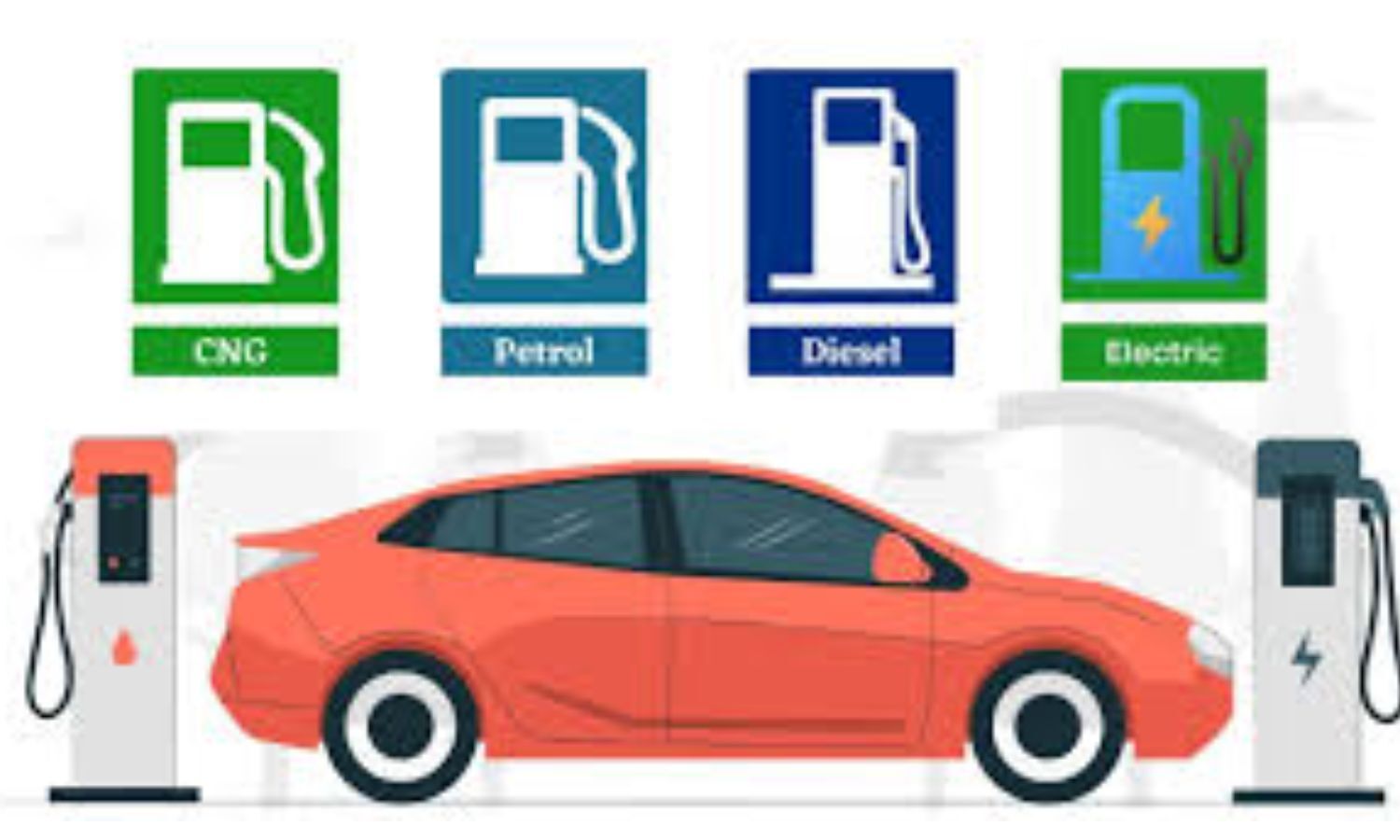
A fresh analysis published one day ago by BizzBuzz explores the evolving competition between compressed natural gas, battery EVs, and hydrogen fuel cells across different use cases in 2026. The report concludes that in the current landscape, the debate between hydrogen and CNG "largely comes down to practicality versus long-term zero-emission potential," while battery EVs continue to dominate passenger vehicle segments. Hydrogen retains strong prospects in heavy transport and industrial applications where battery energy density is insufficient.
Britain's BII Targets $20 Billion Climate Investment Over Five Years
Britain's development finance institution BII is pursuing a £15 billion ($20 billion) investment push into climate and development projects over the next five years by ramping up private sector co-investment, Reuters reported in late April. The strategy involves leveraging BII's public capital to unlock larger private flows, with a focus on emerging markets where clean energy transition finance remains most scarce. While published one month ago, the initiative gained renewed attention this week as part of broader discussions about mobilizing private climate capital.
Trump DOE Signals Possible Release of $430M in Hydropower Funds
The U.S. Department of Energy is signaling it may unblock $430 million in Biden-era funding earmarked for the aging U.S. hydropower dam fleet, Canary Media reported. The funds, frozen following the administration transition, would help maintain and upgrade existing hydropower infrastructure — a sector that provides approximately 6% of U.S. electricity generation. The potential release would represent a pragmatic recognition of hydropower's role in grid reliability, even as the administration has stepped back from broader clean energy commitments.
Policy & Investment
New York State at Risk of Weakening Landmark Climate Law
New York may become the first climate-leading state to roll back its own landmark climate legislation, according to a Time magazine analysis from one week ago. The state is considering modifications to its Climate Leadership and Community Protection Act under budget pressure, a move that would mark a significant symbolic retreat even as states generally have been holding the line on climate policy amid federal retrenchment.
Senate Democrats Push Back on DOE Renewable Energy Research Cuts
Senate Democrats are objecting to proposed Energy Department budget cuts that would significantly reduce funding for renewable energy research and environmental management programs, Inside Climate News reported. While the DOE's overall budget increases in fiscal year 2027, the amounts dedicated to clean energy R&D and infrastructure face "significant hits" under the proposal — a tension that reflects the administration's effort to fund other energy priorities at the expense of renewables.
States Lead on Clean Energy as Federal Commitment Wavers
The Center for American Progress published a comprehensive review of state-level climate action in 2026, finding that states are stepping up on clean energy infrastructure, affordability, and air quality even as the Trump administration creates new challenges. The report identifies timely infrastructure decisions and clean energy job creation as key areas where states are delivering measurable benefits to residents independent of federal policy direction.
By the Numbers
| Metric | Value | Context |
|---|---|---|
| Portland Clean Energy Fund raised | $1 billion | From corporate retail tax since fund inception; now a model for other cities |
| BYD Flash Charge speed | 10% → 70% in 5 minutes | Demonstrated on 2,700-mile real-world road trip |
| CAP proposed residential electricity savings | $125 billion over 4 years | ~$900 per household through clean energy investment |
| Britain BII climate investment target | $20 billion (£15 billion) | Over 5 years, leveraging private sector co-investment |
| Frozen U.S. hydropower funds potentially unlocked | $430 million | Biden-era funds for aging dam fleet upgrades |
What to Watch This Week
-
New York climate law decision: The New York State legislature is weighing modifications to its landmark Climate Leadership and Community Protection Act. Any rollback would be closely watched by other states and could reshape the political dynamics around state-level climate commitments.
-
BYD Flash Charging road trip conclusion: BYD's 2,700-mile real-world Flash Charging demonstration is ongoing. Results and data released upon completion could significantly influence consumer and fleet buyer confidence in ultra-fast charging infrastructure.
-
BloombergNEF NEO 2026 market reaction: With BNEF's New Energy Outlook now public, expect major utilities, asset managers, and policymakers to respond publicly to its findings on electrification, energy security, and investment trajectories over the coming days.
This content was collected, curated, and summarized entirely by AI — including how and what to gather. It may contain inaccuracies. Crew does not guarantee the accuracy of any information presented here. Always verify facts on your own before acting on them. Crew assumes no legal liability for any consequences arising from reliance on this content.
Powered by
