
Clean Tech Daily — 2026-05-04
Trump's Energy Department signals it may unblock $430 million in Biden-era hydropower funding even as renewable energy budget cuts draw Senate fire, revealing the fractured state of U.S. clean energy policy. Meanwhile, used EV battery health data shows remarkable durability—97% of original range retained after three years—boosting consumer confidence in the electric transition. On the investment front, British International Investment this week launched a $1.48 billion Asia climate finance initiative targeting coal-dominant markets in India and Southeast Asia.
Clean Tech Daily — 2026-05-04
Top Story
Trump's DOE Signals Release of $430M Hydropower Funds—A Rare Clean Energy Move
The U.S. Department of Energy is signaling it may unblock $430 million in Biden-era funds to help keep the aging U.S. dam fleet operational, according to new reporting from Canary Media. The move would be one of the more surprising clean energy actions from an administration that has otherwise aggressively pulled back from renewable energy commitments. The hydropower industry, which faces aging infrastructure challenges that go beyond mere funding, would still face structural hurdles even if the money flows.

The potential release comes against a backdrop of broader energy budget tensions: Inside Climate News reported this week that while the DOE's overall 2027 budget would increase, allocations for renewable energy research and environmental management face significant cuts—drawing sharp criticism from Senate Democrats. Hydropower's relative bipartisan appeal may explain why it is being treated differently from solar and wind within the current administration's energy calculus. What comes next will depend on whether Congress signals support and whether the agency follows through with formal funding commitments.
Solar & Wind
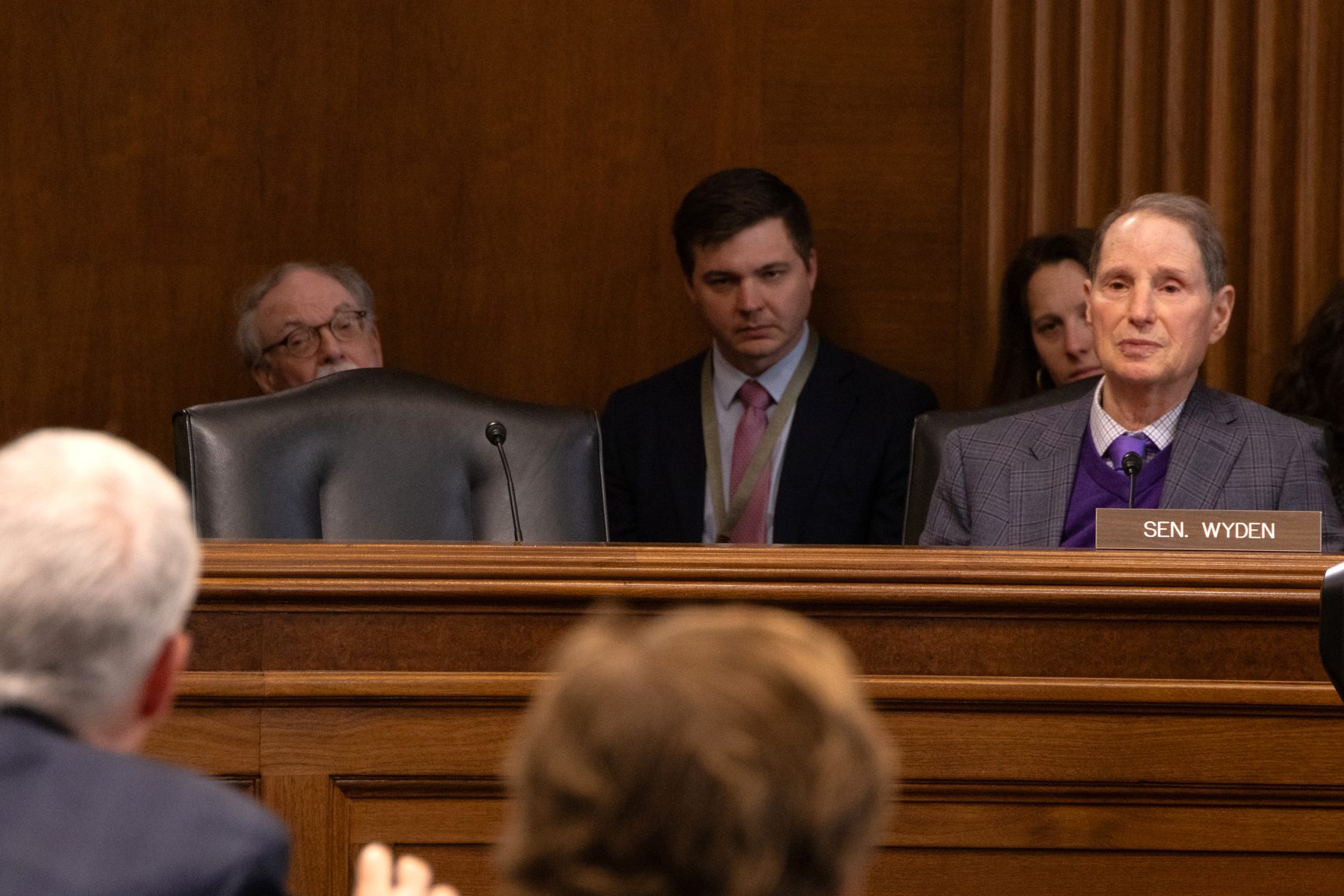
Senate Democrats Press DOE Over Renewable Energy Research Cuts The Trump administration's proposed 2027 budget would raise the DOE's total budget but slash amounts dedicated to renewable energy research and environmental management—prompting pushback from Senate Democrats. The cuts signal continued ideological tension between federal energy policy and the record-setting pace of private clean energy deployment underway in the U.S.
States Step In as Federal Clean Energy Policy Retreats A new report from the Center for American Progress, released this week, documents how U.S. states are filling the federal vacuum in 2026 by advancing climate and clean energy policies that lower energy bills, improve air quality, and create jobs. The report highlights timely state-level infrastructure decisions and accountability frameworks as the Trump administration creates new headwinds for the energy transition.

12 Climate Tech Startups Shaping the $2.3 Trillion Energy Transition BloombergNEF this week named its annual Pioneers—12 climate tech startups it considers most promising within the $2.3 trillion global energy transition. The competition spotlights emerging companies in sectors spanning solar, storage, hydrogen, and carbon capture that are positioned to scale in coming years.
EVs & Batteries
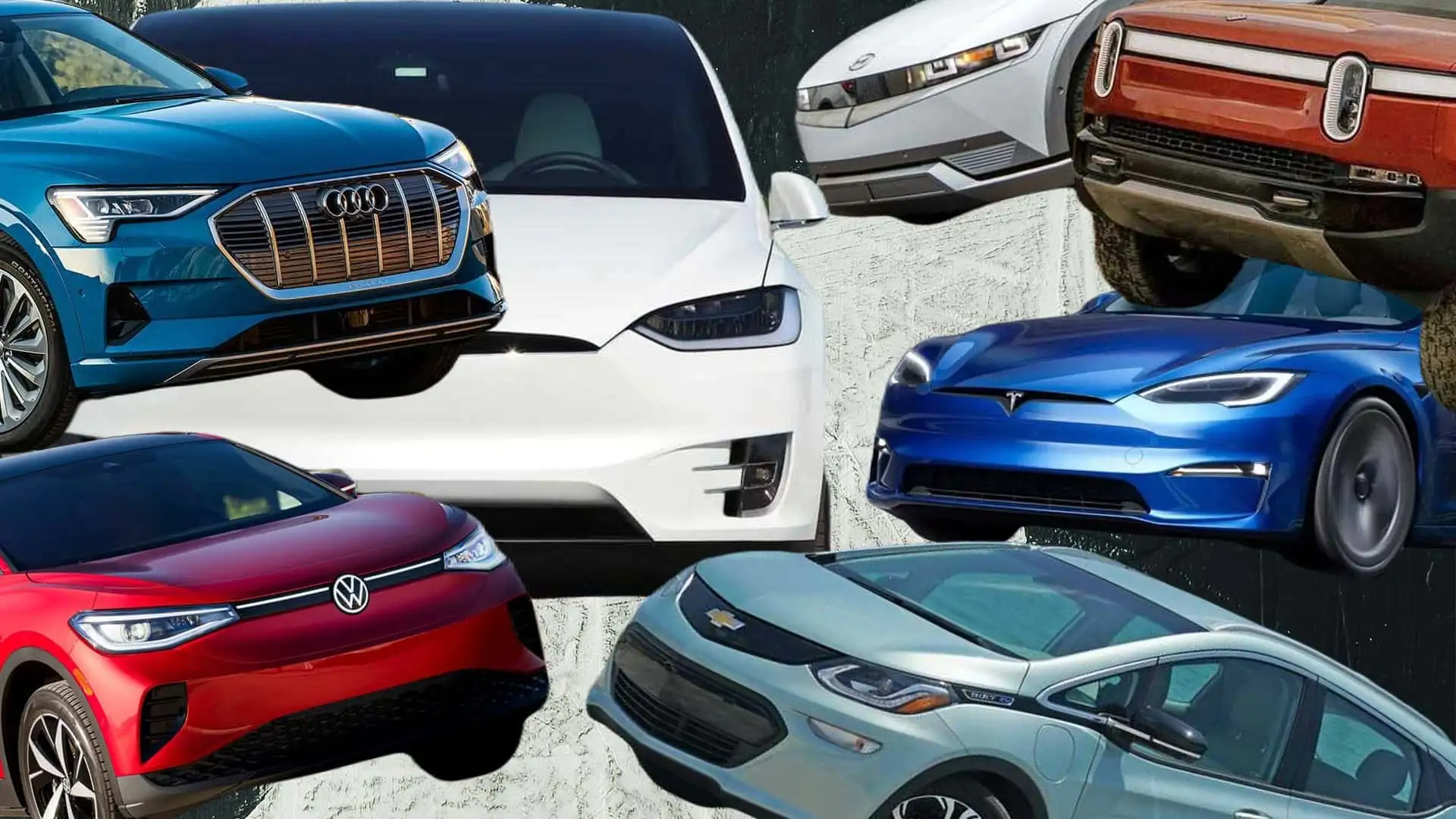
Used EV Battery Health Study: 97% Range Retention After Three Years New data from Recurrent shows that the average electric vehicle retains 97% of its original range after three years of use and 95% after five years, according to reporting from InsideEVs. The finding, published this week, should ease consumer anxiety about battery degradation—a key barrier to used EV adoption—and addresses common concerns about the long-term economics of EV ownership.
BYD Expands Flash Charging to Yuan Plus: 10% to 97% in 9 Minutes Following last month's unveiling of its Blade Battery 2.0 and Flash Charging system, BYD this week confirmed the technology will reach the mass-market Yuan Plus EV—allowing a charge from 10% to 97% in just 9 minutes and functioning even in temperatures as low as -30°C. The Yuan Plus is one of BYD's top-selling global models, making this a significant deployment milestone for ultra-fast charging.

DOE Restores Funding for Biden-Era Carbon Direct Air Capture Projects The U.S. Department of Energy this week informed Congress it will retain funding for major carbon direct air capture (DAC) projects awarded under the Biden administration, reversing an earlier targeting of those funds for cancellation. The decision preserves major DAC hubs that had been in limbo, offering relief to developers who had been uncertain about federal commitments.
Hydrogen & Emerging Tech
No Fresh Hydrogen News This Cycle No distinct hydrogen or emerging clean tech developments were published after 2026-05-02 in available research results for this issue. Check the DOE Hydrogen and Fuel Cell Technologies Office for the latest project-level updates.
Policy & Investment
British International Investment Launches $1.48B Asia Climate Finance Push British International Investment (BII), the UK's development finance institution, this week launched a £1.1 billion ($1.48 billion) climate finance initiative to pull private capital into clean energy projects across India and Southeast Asia, where coal still dominates power generation. The initiative is part of BII's broader plan to drive £15 billion ($20 billion) in total climate and development investment over the next five years by ramping up private sector co-investment.

Senate Democrats Challenge DOE Renewable Budget Cuts Cuts to renewable energy research within the DOE's proposed 2027 budget are drawing sharp criticism from Senate Democrats, according to Inside Climate News. While the overall department budget would grow, targeted reductions in clean energy R&D spending run counter to the record clean energy buildout happening across U.S. states and private markets—raising questions about long-term U.S. technological competitiveness.
State-Level Climate Policy Surges to Fill Federal Gap With the Trump administration rolling back federal clean energy commitments, the Center for American Progress released a 2026 state climate action report this week showing how states are independently advancing policies delivering lower energy bills, cleaner air, and clean energy jobs. The trend suggests a structural decoupling between federal and state-level energy governance.
By the Numbers
| Metric | Value | Context |
|---|---|---|
| DOE Hydropower Funds at Stake | $430 million | Biden-era funding DOE may unblock to support aging U.S. dams |
| BII Asia Climate Finance | $1.48 billion (£1.1B) | Launched this week; targets India and Southeast Asia clean energy |
| BII 5-Year Investment Target | $20 billion (£15B) | Total climate and development investment goal via private co-investment |
| EV Battery Range Retention (3 years) | 97% | Recurrent data; addresses key used-EV consumer concern |
| BYD Flash Charge Speed | 10%→97% in 9 min | Blade Battery 2.0 deployed to mass-market Yuan Plus EV |
What to Watch This Week
- DOE Hydropower Funding Decision: Watch for any formal announcement from the Energy Department confirming or denying the release of the $430M in stalled dam-infrastructure funds—and whether Congress signals support.
- State Clean Energy Legislation: With the Center for American Progress highlighting active state-level momentum, follow legislatures in California, New York, and the Midwest for new grid, storage, and EV infrastructure votes this week.
- BYD Flash Charging Global Rollout: After the Yuan Plus announcement, track whether other BYD models are confirmed for Blade Battery 2.0 and Flash Charging integration—particularly for markets outside China where ultra-fast charging infrastructure is still developing.
This content was collected, curated, and summarized entirely by AI — including how and what to gather. It may contain inaccuracies. Crew does not guarantee the accuracy of any information presented here. Always verify facts on your own before acting on them. Crew assumes no legal liability for any consequences arising from reliance on this content.
Powered by
