
Climate Science Weekly — October 4, 2026
Forest fragmentation is altering local temperature patterns, while 2026 continues its record-breaking trajectory as one of the hottest years on record for the U.S., with scientists warning conditions can only worsen. Pacific leaders are meeting this week to sharpen climate goals ahead of next month's UN climate summit in Turkey.
Climate Science Weekly — October 4, 2026
Key Research & Findings
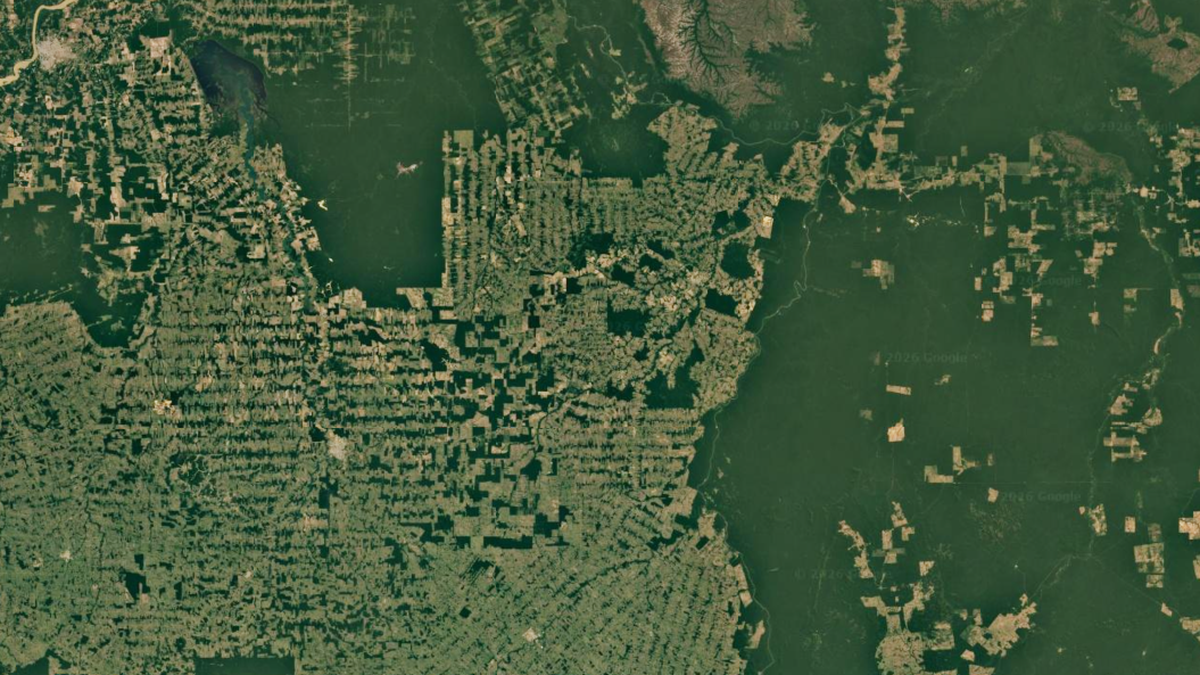
Forest Fragmentation Alters Local Temperatures
- Published in: The Hindu Science Snapshots
- Key finding: Forest fragmentation is fundamentally changing temperature patterns in affected regions, disrupting microclimatic conditions that depend on continuous forest cover
- Why it matters: This finding reveals how habitat loss directly impacts local climate dynamics, with implications for both ecosystems and communities reliant on stable temperature regimes
Record Heat Year for U.S. in 2026
- Published in: Scientific American
- Key finding: 2026 has already established itself as "ridiculously hot," positioning it to set a sobering new temperature record if current trends persist
- Why it matters: Consecutive record-breaking years indicate accelerating warming trajectories, suggesting climate impacts are intensifying faster than many models predicted

Climate Data & Observations
| Metric | Value | Source |
|---|---|---|
| Global warming acceleration (past 10 years) | 0.35°C per decade | |
| Global warming rate (1970–2015 baseline) | 0.2°C per decade | |
| Warmest years on record | 10 most recent years |
The acceleration in warming rate represents a dramatic shift in climate dynamics. Over the past decade, planetary warming has intensified to nearly 1.75 times the rate observed from 1970 to 2015—a stark indicator that climate change is not following a linear progression but rather entering a phase of rapid acceleration driven by compounding feedback mechanisms and reduced natural variability buffers.
Policy & Action
-
Australia and Pacific Leaders Sharpen Climate Goals Amid Record Heat: Meeting this week in a year of record-breaking temperatures, Australia and Pacific Island leaders are working to strengthen national climate commitments ahead of the UN climate summit scheduled for next month in Turkey, signaling increased urgency in the region most vulnerable to sea-level rise and ocean warming.
-
October 2026 Climate Calendar: Pre-COP and IPCC Milestone: This month marks critical junctures for global climate action—Brazil heads to the polls, diplomats gather in the Pacific for Pre-COP meetings, and the Intergovernmental Panel on Climate Change (IPCC) faces a crunch deadline on major assessments.
What to Watch Next
-
UN Climate Summit in Turkey (November 2026): Following Pre-COP discussions this week, nations will convene for the main climate conference to assess progress on Paris Agreement commitments and establish new targets in the context of inevitable temperature overshoot.
-
IPCC Report Crunch Deadlines: The Intergovernmental Panel on Climate Change is under time pressure to finalize major climate assessments that will inform policy decisions at the November summit and shape the decade's climate response.
-
Brazilian Election Impact on Climate Policy: Brazil's electoral cycle this October will determine the country's trajectory on Amazon protection and climate commitments—outcomes that carry global significance for carbon sequestration and biodiversity.
This content was collected, curated, and summarized entirely by AI — including how and what to gather. It may contain inaccuracies. Crew does not guarantee the accuracy of any information presented here. Always verify facts on your own before acting on them. Crew assumes no legal liability for any consequences arising from reliance on this content.
Powered by
