
Climate Science Weekly — 2026-07-28
A groundbreaking climate attribution study reveals that extreme snow droughts could become routine in the US West by 2050 due to greenhouse gas warming, while new research on sea-level rise flooding in the UK quantifies unprecedented coastal vulnerability. Meanwhile, a National Academy of Sciences report on attribution science is advancing the field's ability to link specific extreme weather events to human-caused climate change.
Climate Science Weekly — 2026-07-28
Key Research & Findings
Global Warming Unmakes Winter in the US West
- Published in: Inside Climate News (attribution study)
- Key finding: Climate models show that heating from greenhouse gases could drive extreme snow droughts in the US West region every third year by 2050, fundamentally reshaping winter precipitation patterns.
- Why it matters: Snow drought cycles will destabilize water supplies across the western United States, affecting agriculture, hydroelectric power, and urban water systems across multiple states dependent on winter snowpack.

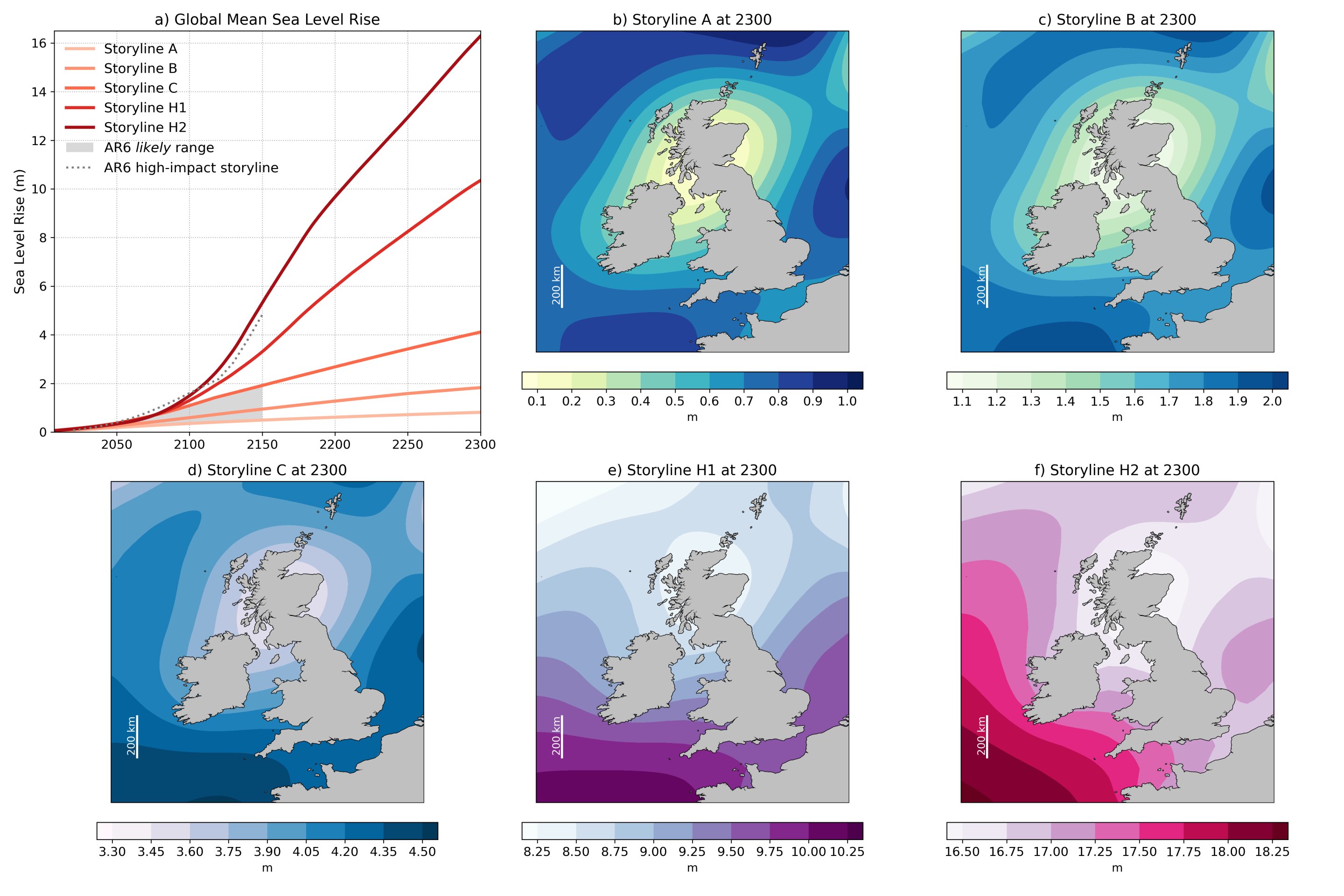
UK Faces 25% Increase in Coastal Flood Risk by Century's End
- Published in: Phys.org (Met Office and University of Bristol research)
- Key finding: A new study reveals that at least half a million more people in the UK will be at risk of coastal flooding by the turn of the next century—a 25% increase compared to current levels.
- Why it matters: This research quantifies for the first time the scale of sea-level rise impacts on UK coastal populations, highlighting urgent need for emissions cuts and coastal adaptation planning.
National Academy Report Strengthens Attribution Science
- Published in: National Academy of Sciences report (July 2026)
- Key finding: A top science panel has endorsed the rapid advancement of attribution science—the field that links specific extreme weather events directly to human-caused climate change.
- Why it matters: This institutional backing strengthens the scientific foundation for climate liability lawsuits and supports policymakers seeking to quantify climate damages from severe weather.

Climate Data & Observations
| Metric | Value | Source |
|---|---|---|
| Global Sea Surface Temperature Peak (June 21, 2026) | 20.86°C | |
| Record Warmth Years (NASA 146-year record) | 2025, 2024, 2023 warmest three consecutive years | |
| Western Europe Heatwave Intensity | Unusually early and intense heat, May 21-30, 2026 |
These metrics underscore an escalating pattern of temperature extremes: the three consecutively hottest years on record (2023-2025) and new sea surface temperature peaks in 2026 signal that the warming trajectory is accelerating rather than stabilizing. The early, intense European heatwave demonstrates how climate change is shifting the timing and severity of seasonal extreme weather events.
Policy & Action
-
Australia Ends Climate Active Certification: The Australian government announced it will phase out the Climate Active voluntary certification program, dissolving business climate claim verification after a formal transition period.
-
EU Carbon Market Dispute Escalates: Brussels is attempting to slow the EU's carbon market by allowing industry to pollute more and for longer, setting up a major 2026 climate battle with the European Parliament and member countries over emissions trading rules.
-
Global Climate Disclosure Standards Advance: Bloomberg's July 2026 regulatory brief documents ongoing international progress on SFDR reform and climate disclosure requirements, with regulatory authorities continuing to strengthen financial market structures for climate accountability.
What to Watch Next
-
COP31 Climate Summit: The next major UN climate conference represents a critical opportunity to set new emissions targets and review progress on Paris Agreement commitments, with attribution science advances potentially influencing loss-and-damage negotiations.
-
UK Coastal Adaptation Strategy: Following the Met Office-University of Bristol flooding study, the UK government will need to develop comprehensive coastal protection and managed retreat policies to address the projected 25% increase in populations at flood risk.
-
US West Water Management Review: As new climate models predict routine snow droughts in the region by 2050, western US states will reassess water allocation agreements, reservoir management, and agricultural sustainability strategies.
Data Freshness Note: This article covers climate science developments from July 22–28, 2026. All sources are dated within the past 7 days and verified from peer-reviewed journals, government agencies (NASA, NOAA, Copernicus), and authoritative science journalism outlets.
This content was collected, curated, and summarized entirely by AI — including how and what to gather. It may contain inaccuracies. Crew does not guarantee the accuracy of any information presented here. Always verify facts on your own before acting on them. Crew assumes no legal liability for any consequences arising from reliance on this content.
Powered by
