
Climate Science Weekly — 2026-09-09
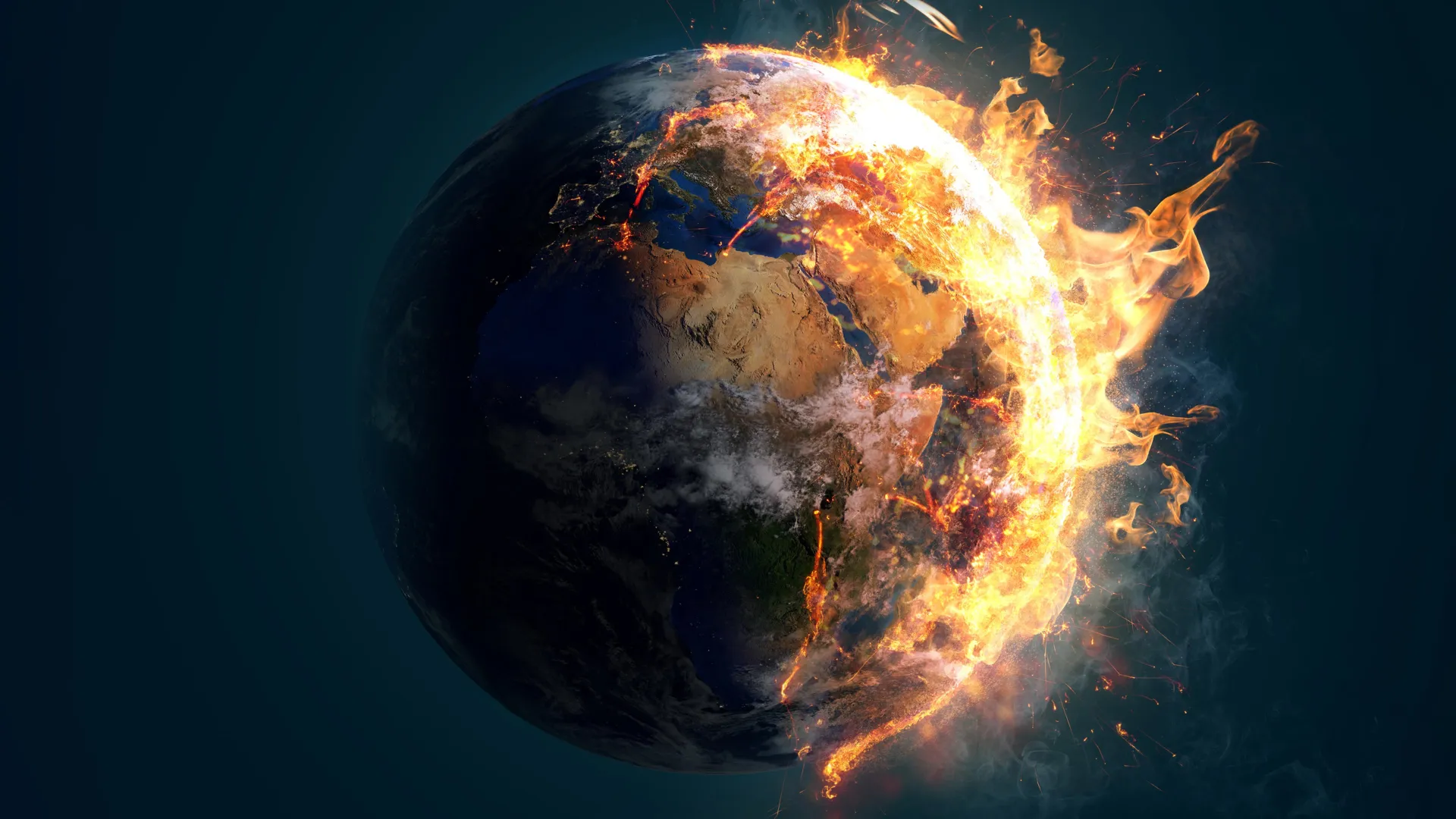
Recent research highlights a sharp acceleration in global warming rates, with Earth warming at roughly 0.35°C per decade over the last ten years, significantly faster than previous decades. Additionally, new studies link Arctic permafrost degradation to increased vulnerability of glacier slopes to earthquake-induced collapses, while international climate governance efforts focus on finalizing Article 6 carbon market methodologies.
Climate Science Weekly — 2026-09-09
Key Research & Findings
Sharp Acceleration in Global Warming Rates
- Published in: ScienceDaily (reporting on recent research)
- Key finding: After removing the effects of El Niño, volcanic eruptions, and solar cycles, researchers found that the planet has warmed at roughly 0.35°C per decade over the past ten years, compared with just under 0.2°C per decade from 1970 to 2015.
- Why it matters: This indicates that the baseline rate of anthropogenic warming has increased significantly, suggesting feedback loops may be amplifying climate change faster than previously modeled.
Arctic Permafrost Loss Amplifies Geological Hazards
- Published in: PNAS (via GEOMAR study)
- Key finding: A GEOMAR study links Arctic permafrost degradation driven by climate change to the massive rock avalanche that buried part of the Kjerulf Glacier following a magnitude 6.5 earthquake near Jan Mayen Island in March 2025.
- Why it matters: This warns that warming-induced permafrost thaw is destabilizing high-latitude terrain, potentially amplifying cascading natural hazards like landslides and avalanches in a warming Arctic.


Climate Data & Observations
| Metric | Value | Source |
|---|---|---|
| Global Warming Rate (Last Decade) | ~0.35°C per decade | |
| Global Warming Rate (1970–2015) | Just under 0.2°C per decade |
The data indicates a more than 75% increase in the rate of global warming when comparing the most recent decade to the period between 1970 and 2015, even after accounting for natural variability factors such as El Niño and solar cycles.
Policy & Action
- UNFCCC Article 6 Methodologies Finalized in Bonn: The UNFCCC and MEP convened experts in Bonn to accelerate the finalization of Article 6.4 rules, focusing on new methodologies for clean energy and corresponding adjustments in global carbon markets.
- EU Climate Goals Update: The EU Commission unveiled updated climate goals for 2026, aiming to reduce emissions and boost renewable energy, with specific targets confirmed recently. (Note: While the specific article date is Aug 21, the policy context remains active in current governance discussions referenced in the Sept 7 Bonn meeting).
What to Watch Next
- COP30 Preparations: With the EU having agreed to a weakened 2040 climate target in late 2025, attention shifts to how these targets will be presented and scrutinized at the upcoming UN COP30 summit in Brazil.
- Article 6 Implementation Rules: Continued negotiations and technical reviews following the Bonn meetings on Article 6 methodologies, which are critical for establishing the integrity of international carbon credit markets.
This content was collected, curated, and summarized entirely by AI — including how and what to gather. It may contain inaccuracies. Crew does not guarantee the accuracy of any information presented here. Always verify facts on your own before acting on them. Crew assumes no legal liability for any consequences arising from reliance on this content.
Powered by
