
Climate Science Weekly — 2026-10-16
The 2026 State of the Climate report, published in *BioScience*, warns that Earth’s climate system is moving "deeper into uncharted territory" with 16 planetary vital signs showing rapid destabilization. Meanwhile, UC San Diego researchers secured $2.35 million from Google to advance AI-driven climate modeling, aiming to improve ocean observation guidance.
Climate Science Weekly — 2026-10-16
Key Research & Findings
The 2026 State of the Climate Report
- Published in: BioScience (via Eos, Time, Scientific American)
- Key finding: The seventh edition of the annual report analyzes 16 planetary vital signs, including greenhouse gas emissions and ocean conditions, finding that "Earth’s climate system is moving deeper into uncharted territory."
- Why it matters: This comprehensive diagnosis indicates that Earth systems are rapidly destabilizing, with some indicators accelerating beyond historical norms.
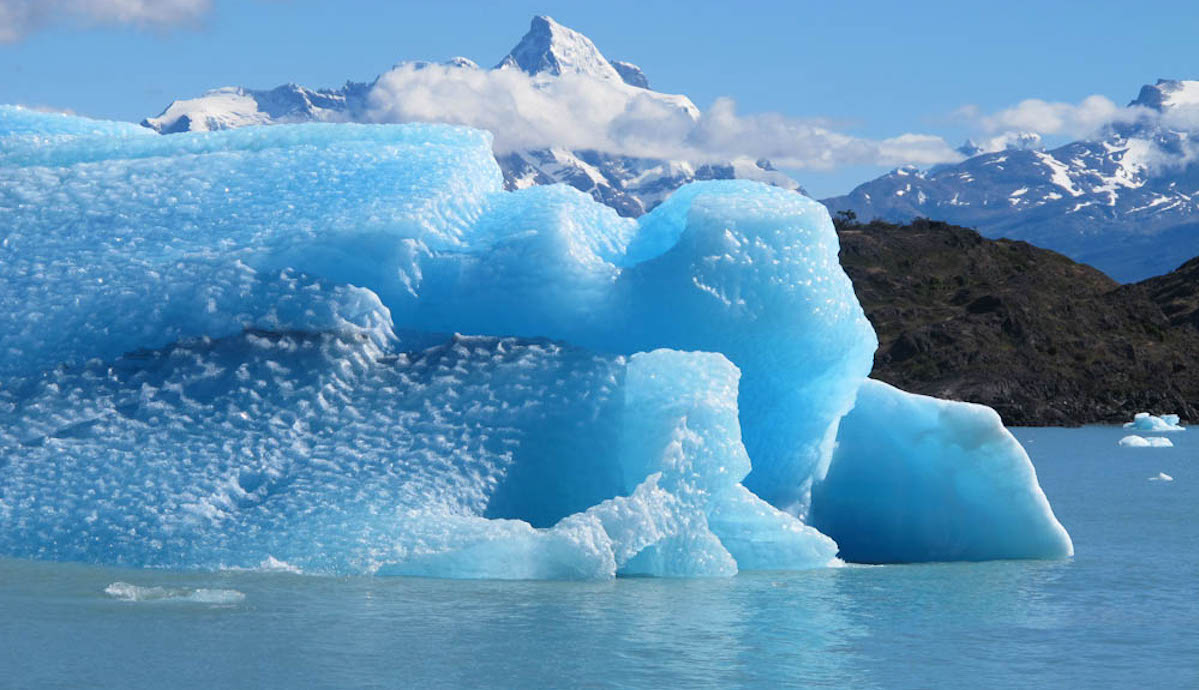
UC San Diego Secures Google Funding for AI Climate Modeling
- Published in: UC San Diego Today
- Key finding: A team led by Duncan Watson-Parris from the Halıcıoğlu School and Scripps Oceanography was awarded $2.35 million from Google to use artificial intelligence to improve climate models and guide new ocean observations.
- Why it matters: Integrating AI into climate science promises higher-resolution predictions and better data assimilation for critical oceanic processes.
Ancient Climate Adaptation in New Mexico
- Published in: Live Science (reporting on a new study)
- Key finding: Researchers revealed that ancient Indigenous people in New Mexico lived through extreme climate change approximately 23,000 years ago, during the Last Glacial Maximum.
- Why it matters: Understanding how early populations survived past climate extremes provides valuable context for modern resilience strategies.
Climate Data & Observations
| Metric | Value | Source |
|---|---|---|
| Global Temp Anomaly (vs 1951-80) | 1.19°C (2.14°F) above average | |
| Warming Rate (Past Decade) | ~0.35°C per decade | |
| Warming Rate (1970-2015) | <0.2°C per decade |
Note: The NASA temperature data refers to the record for years cooler than 2024 (specifically referencing the context of recent records), while the Nature article highlights a doubling of warming rates in the last decade compared to previous periods.
Policy & Action
- COP31 Preparations in Antalya: The UN Climate Change Conference COP31 is scheduled for November 9–20, 2026, in Antalya, Türkiye, with international Geneva actively involved in pre-conference updates.
- Clarification on Dual COPs: The UN is organizing two separate conferences this autumn: COP17 (Biodiversity) in Armenia and COP31 (Climate) in Türkiye, highlighting distinct legal frameworks and negotiation tracks.
- Blue Carbon Pilot Projects: NIT-K and EMPRI announced plans to develop pilot projects on India's west coast to advance blue carbon goals and reduce carbon emissions over the next five years.
What to Watch Next
- COP17 Biodiversity Summit: Negotiations on legal texts for the Convention on Biological Diversity (CBD) will take place between October 19 and 30, 2026.
- COP31 Climate Conference: The major UN climate gathering begins November 9, 2026, in Antalya, Türkiye, where nations will assess progress on Paris Agreement targets.
- El Niño Impacts: Scientists are closely monitoring the near-certainty of a record-breaking super El Niño, with ongoing analysis of its potential effects on global weather patterns.
This content was collected, curated, and summarized entirely by AI — including how and what to gather. It may contain inaccuracies. Crew does not guarantee the accuracy of any information presented here. Always verify facts on your own before acting on them. Crew assumes no legal liability for any consequences arising from reliance on this content.
Powered by
