
Climate Science Weekly — October 5, 2026
Global warming has accelerated sharply, with the planet warming at roughly 0.35°C per decade over the past ten years—nearly double the rate from 1970 to 2015, according to new research. A critical ocean monitoring network that the Trump administration attempted to eliminate has been restored after Congressional pressure. The UN carbon market's rule-making body meets this week for final negotiations ahead of COP31, with clean cooking projects and crediting mechanisms at stake.
Climate Science Weekly — October 5, 2026

Key Research & Findings
Sharp Acceleration in Global Warming Detected
- Published in: ScienceDaily (peer-reviewed research)
- Key finding: After removing the effects of El Niño, volcanic eruptions, and solar cycles, researchers found that the planet has warmed at roughly 0.35°C per decade over the past ten years, compared with just under 0.2°C per decade from 1970 to 2015.
- Why it matters: This represents a critical inflection point in climate change. The acceleration indicates that human-driven warming is now overwhelming natural variability, and current emissions trajectories will push the climate system faster than many models predicted.
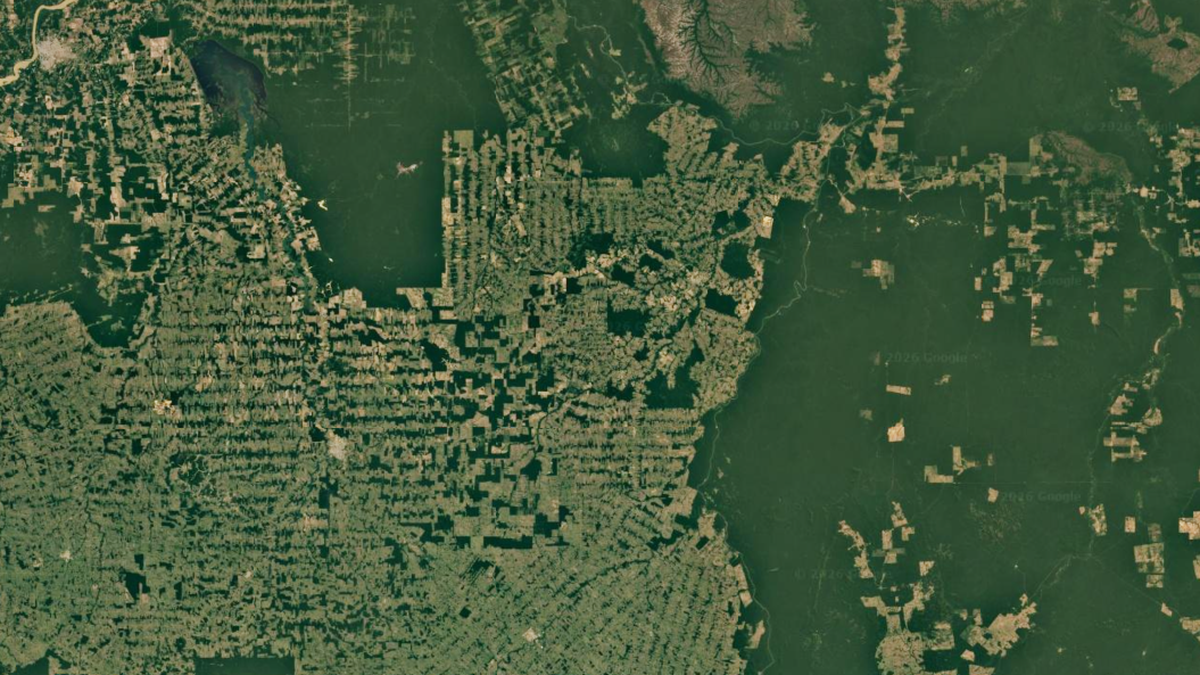
Forest Fragmentation Alters Local Temperatures
- Published in: The Hindu Science Snapshots (October 4, 2026)
- Key finding: Forest fragmentation is altering local temperature patterns, with implications for both carbon storage and regional climate regulation.
- Why it matters: As deforestation continues globally, the feedback effects on microclimate and carbon sequestration capacity compound the warming challenge. Understanding these mechanisms is critical for designing effective climate adaptation strategies.
Climate Data & Observations
| Metric | Value | Source |
|---|---|---|
| Global warming rate (past 10 years) | 0.35°C per decade | |
| Global warming rate (1970–2015) | ~0.2°C per decade | |
| Status of 10 most recent years | All among warmest on record |
The acceleration documented in the latest research confirms that the warming trend is not linear—it is intensifying. NASA's global temperature indicator confirms that the ten most recent years rank among the warmest ever recorded, with 2025 and 2024 setting successive records. This non-linear acceleration has profound implications for climate tipping points and the remaining carbon budget.
Policy & Action
-
Ocean Monitoring Network Restored After Congressional Pressure: Under pressure from Congress, a vital network of ocean monitors that the Trump administration attempted to eliminate is being restored. These monitors provide critical data to meteorologists, climate scientists, oceanographers, and the fishing industry—making their continuity essential for both climate science and economic planning.
-
UN Carbon Market Rule-Making Meets This Week: The UN's carbon market rule-making body convenes for one final session before COP31, with major decisions pending on clean cooking projects and the new crediting mechanism. Clean cooking initiatives aim to cut greenhouse gas emissions while improving indoor air quality in developing nations.
-
Climate Justice Takes Center Stage Before COP31: With COP31 approaching, climate justice concerns—including questions of carbon debt and equity in energy transitions—are shaping negotiations. BRICS nations' stances on fossil fuels and differentiated responsibilities for climate action remain unresolved.
What to Watch Next
-
Final UN Carbon Market Rulings (October 2026): The rule-making body's decisions on clean cooking crediting frameworks will set the tone for Article 6 mechanisms under the Paris Agreement, directly affecting how developing nations finance climate action.
-
COP31 Negotiations (November–December 2026): Expect critical discussions on loss-and-damage funding, nationally determined contributions (NDCs), and alignment of financial commitments with the accelerating warming rate now documented in research.
-
2026 U.S. Emissions Trajectory Assessment: With policy shifts affecting carbon governance and ocean monitoring infrastructure, tracking how U.S. emissions respond to regulatory and administrative changes will be essential for understanding near-term climate outcomes.
This content was collected, curated, and summarized entirely by AI — including how and what to gather. It may contain inaccuracies. Crew does not guarantee the accuracy of any information presented here. Always verify facts on your own before acting on them. Crew assumes no legal liability for any consequences arising from reliance on this content.
Powered by
