
Climate Science Weekly — 2026-09-18
Recent scientific analysis indicates that climate change likely destabilized a massive glacier in the Nepal-Tibet region, contributing to devastating floods, while a new UN report confirms the world will breach the 1.5°C warming threshold before the decade ends. Additionally, the European Commission has released new insights into international energy cooperation as global clean energy transitions accelerate.
Climate Science Weekly — 2026-09-18
Key Research & Findings

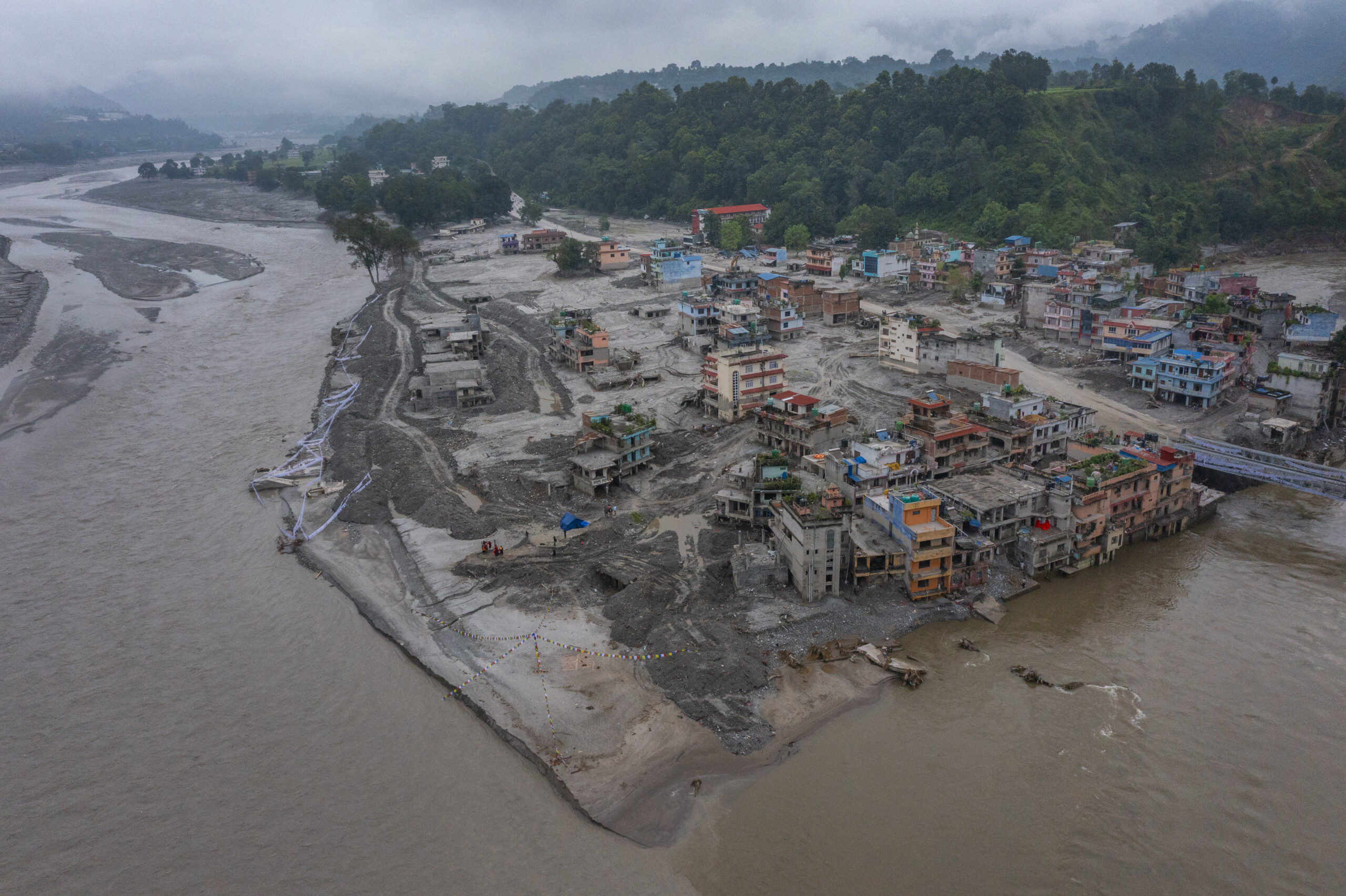
Climate Crisis Destabilized Glacier Causing Nepal-Tibet Floods
- Published in: The Guardian (reporting on a first-of-its-kind study)
- Key finding: Scientists have identified global heating as a "destabilising factor" in the collapse of a 200,000 square metre glacier in August, which caused catastrophic flooding in the Nepal-Tibet region killing more than 1,300 people. The disaster was driven by a complex web of climate and seismic processes.
- Why it matters: This is the first study to explicitly link the recent catastrophic mountain flooding to climate-induced glacier instability, highlighting the urgent risks of glacial lake outburst floods in high-mountain Asia.
UN Report Confirms Breach of 1.5°C Limit
- Published in: Nature (reporting on UN findings)
- Key finding: A new report states that Earth will breach the long-standing 1.5°C climate limit before the end of the decade, marking a significant shift in official acknowledgments of warming trajectories.
- Why it matters: This confirmation underscores the failure of current mitigation efforts to keep warming below the Paris Agreement's aspirational threshold, signaling an era of unavoidable climate impacts.
Climate Data & Observations
| Metric | Value | Source |
|---|---|---|
| Glacier Collapse Area | 200,000 sq metre | |
| Nepal Disaster Death Toll | >1,300 people | |
| Global Warming Threshold | 1.5 ºC |
These figures highlight the immediate human cost of climate-accelerated geological hazards and the definitive crossing of critical planetary boundaries. The specific scale of the glacier collapse and the resulting death toll provide concrete evidence of the lethal consequences of high-altitude warming.
Policy & Action
- UN Recommendations for COP31: Amnesty International released recommendations for parties to the UNFCCC to put human rights front and centre of all climate action and decision-making at COP31 in Antalya, Türkiye.
- EU International Energy Cooperation Focus: The European Commission published a new focus on EU international energy cooperation, stating that the global clean energy transition is firmly underway and has become an engine for competitiveness, resilience, and prosperity.
- COP31 Implementation Roadmap: Friends Committee On National Legislation highlighted that attention is turning toward COP31 (scheduled for November 9–20 in Antalya, Türkiye), with the incoming presidency describing the gathering as focused on "Implementation."
What to Watch Next
- COP31 in Antalya, Türkiye: The next United Nations climate conference is scheduled for November 9–20, 2026, with a strong emphasis on implementation of previous agreements.
- Post-COP31 Human Rights Integration: Stakeholders will be watching how effectively the recommendations from Amnesty International regarding human rights integration into UNFCCC decisions are adopted during and after the summit.
- EU Energy Cooperation Updates: Further developments in the EU's international energy cooperation framework are expected as the bloc seeks to leverage the clean energy transition for economic resilience.
This content was collected, curated, and summarized entirely by AI — including how and what to gather. It may contain inaccuracies. Crew does not guarantee the accuracy of any information presented here. Always verify facts on your own before acting on them. Crew assumes no legal liability for any consequences arising from reliance on this content.
Powered by
