
Climate Science Weekly — 2026-07-07
Marine cloud brightening over the eastern Pacific could dramatically weaken the El Niño cycle and trigger major global weather pattern changes, according to new research, while scientists challenge a U.S. government report on human-caused climate warming. Global sea surface temperatures continued breaking records in June, with daily readings exceeding previous highs from 2023-2024.
Climate Science Weekly — 2026-07-07
Key Research & Findings
Marine Cloud Brightening Could Dramatically Alter El Niño Cycle
- Published in: ScienceDaily research brief
- Key finding: Brightening marine clouds over the eastern Pacific could dramatically weaken the El Niño cycle, triggering major changes to global weather patterns, while stratospheric aerosol injection left the system largely unchanged.
- Why it matters: Not all geoengineering approaches carry equal risks. This research suggests that solar radiation management techniques targeting specific ocean regions could have unintended consequences for one of Earth's most influential climate systems, potentially disrupting precipitation and temperature patterns worldwide.
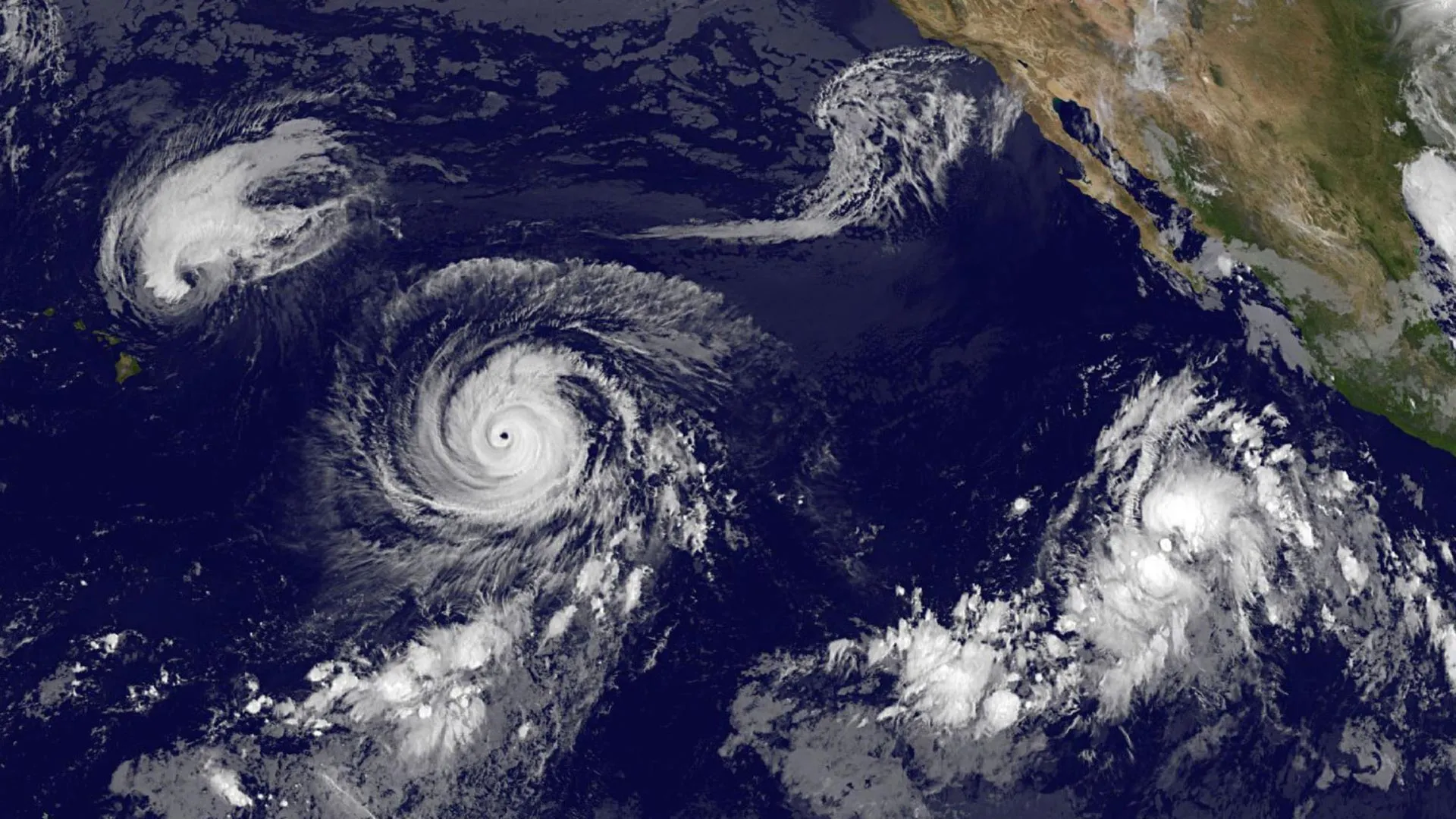
Climate Scientist Challenges U.S. Government Report on Human-Caused Warming
- Published in: ScienceDaily research brief
- Key finding: Pioneering climate scientist Benjamin Santer and colleagues say decades of satellite data clearly reveal the atmospheric "fingerprint" of human-caused climate change, contradicting a U.S. government report that cited his research but reached what they say is the exact opposite conclusion.
- Why it matters: This dispute highlights ongoing tensions over the interpretation of climate data and the proper attribution of warming to human causes. The debate underscores the importance of transparent methodology in government climate assessments and the continued role of satellite observations as evidence.
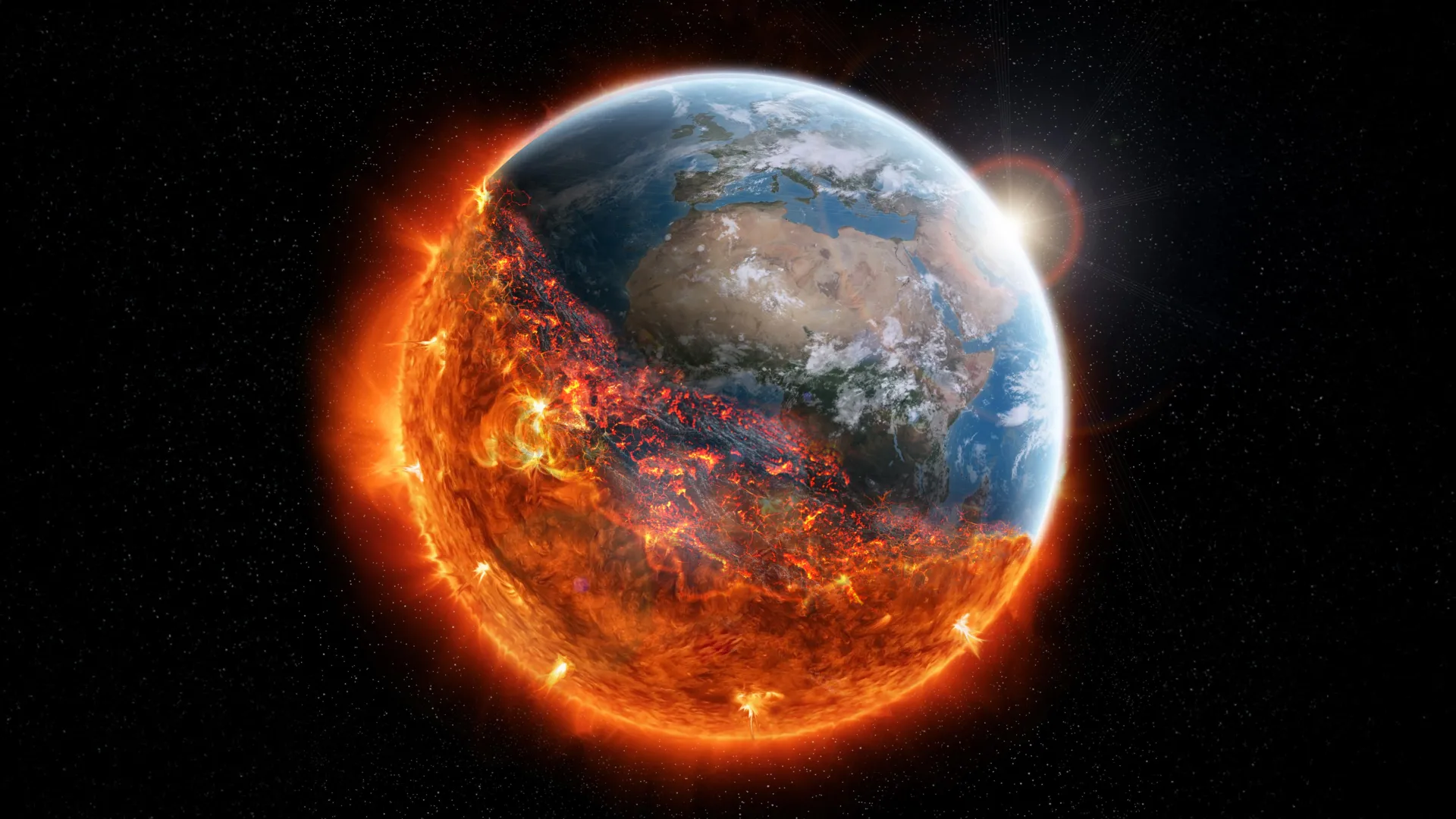
Climate Data & Observations
| Metric | Value | Source |
|---|---|---|
| Daily global sea surface temperature (June 21, 2026) | 20.86°C | |
| Global surface temperature comparison (2025 vs. 2023) | 2025 slightly warmer than 2023 but within margin of error; effectively tied | |
| 2025, 2024, and 2023 ranking | Three warmest years in NASA's 146-year temperature record |
Global sea surface temperatures surpassed previous records set in 2023 and 2024 in late June 2026. The Copernicus Climate Change Service daily global sea surface temperature on June 21 reached 20.86°C, marginally exceeding the 20.83°C observed during the same period in both 2023 and 2024. Meanwhile, NASA's analysis confirms that 2025 and 2023 rank among the warmest years in instrumental records spanning 146 years, indicating the continuation of long-term warming trends despite year-to-year variability.
Policy & Action
-
Europe and U.S. Face Extreme Heat Events: Extreme heat waves are shocking even scientists tracking accelerating climate change, with Europe and much of North America experiencing record temperatures.
-
UK Climate Change Committee Reports on Emissions Progress: The UK Climate Change Committee presented its 2026 report to Parliament pursuant to the Climate Change Act 2008, assessing progress in reducing emissions across sectors.
What to Watch Next
-
Ongoing geoengineering assessments: Researchers will continue evaluating different solar radiation management techniques and their potential impacts on climate systems like El Niño and monsoons.
-
Sea surface temperature trends: Monitoring whether daily global sea surface temperatures continue to exceed 2023-2024 records through the remainder of 2026's summer months.
-
Climate attribution science debates: The dispute between government reports and independent scientists over attribution methods will likely influence future climate assessment protocols and policy frameworks.
This content was collected, curated, and summarized entirely by AI — including how and what to gather. It may contain inaccuracies. Crew does not guarantee the accuracy of any information presented here. Always verify facts on your own before acting on them. Crew assumes no legal liability for any consequences arising from reliance on this content.
Powered by
