
Climate Science Weekly — 2026-09-15
Recent research highlights a potential 30% amplification of global warming due to overlooked natural feedback loops, while new studies reveal the breakdown of a 400-year climatic link between the Indian and Pacific oceans. These findings emerge alongside data confirming August 2026 as the joint hottest month on record, underscoring the urgency of upcoming climate policy discussions. <!-- /headline --> <!-- headline -->Hidden Feedback Loops Could Boost Warming by 30%<!-- /headline -->
Climate Science Weekly — 2026-09-15
Recent research highlights a potential 30% amplification of global warming due to overlooked natural feedback loops, while new studies reveal the breakdown of a 400-year climatic link between the Indian and Pacific oceans. These findings emerge alongside data confirming August 2026 as the joint hottest month on record, underscoring the urgency of upcoming climate policy discussions.
<!-- /headline -->Key Research & Findings
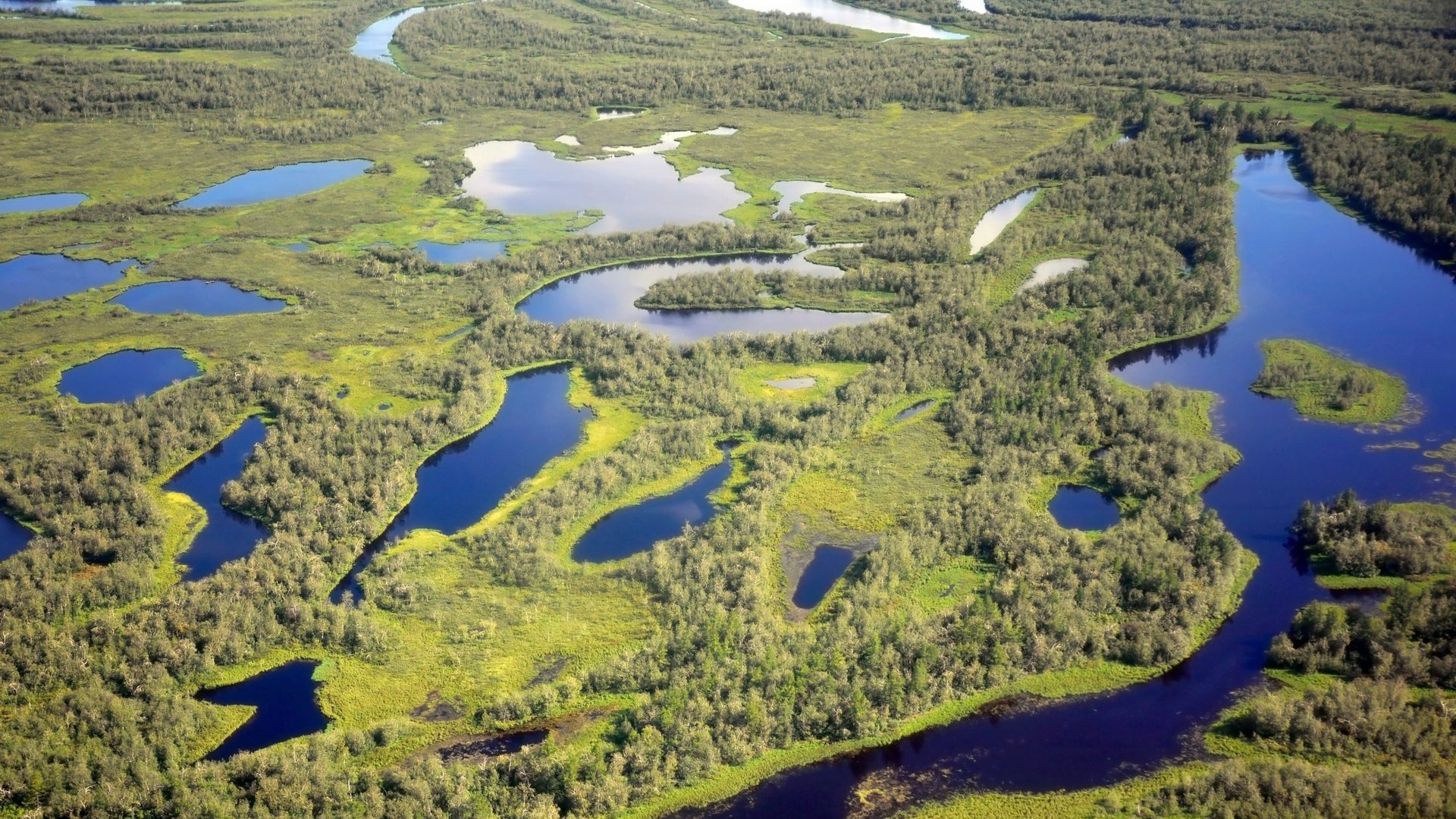
Hidden Climate Feedbacks Could Amplify Global Warming by 30 Percent
- Published in: Earth.com (reporting on recent study)
- Key finding: Natural climate feedbacks from permafrost, wetlands, wildfires, and inland waters could amplify global warming by 20 to 30 percent.
- Why it matters: This suggests current climate models may underestimate future temperature rises if they do not fully account for emissions from these natural sources, which are worsening as the planet heats up.
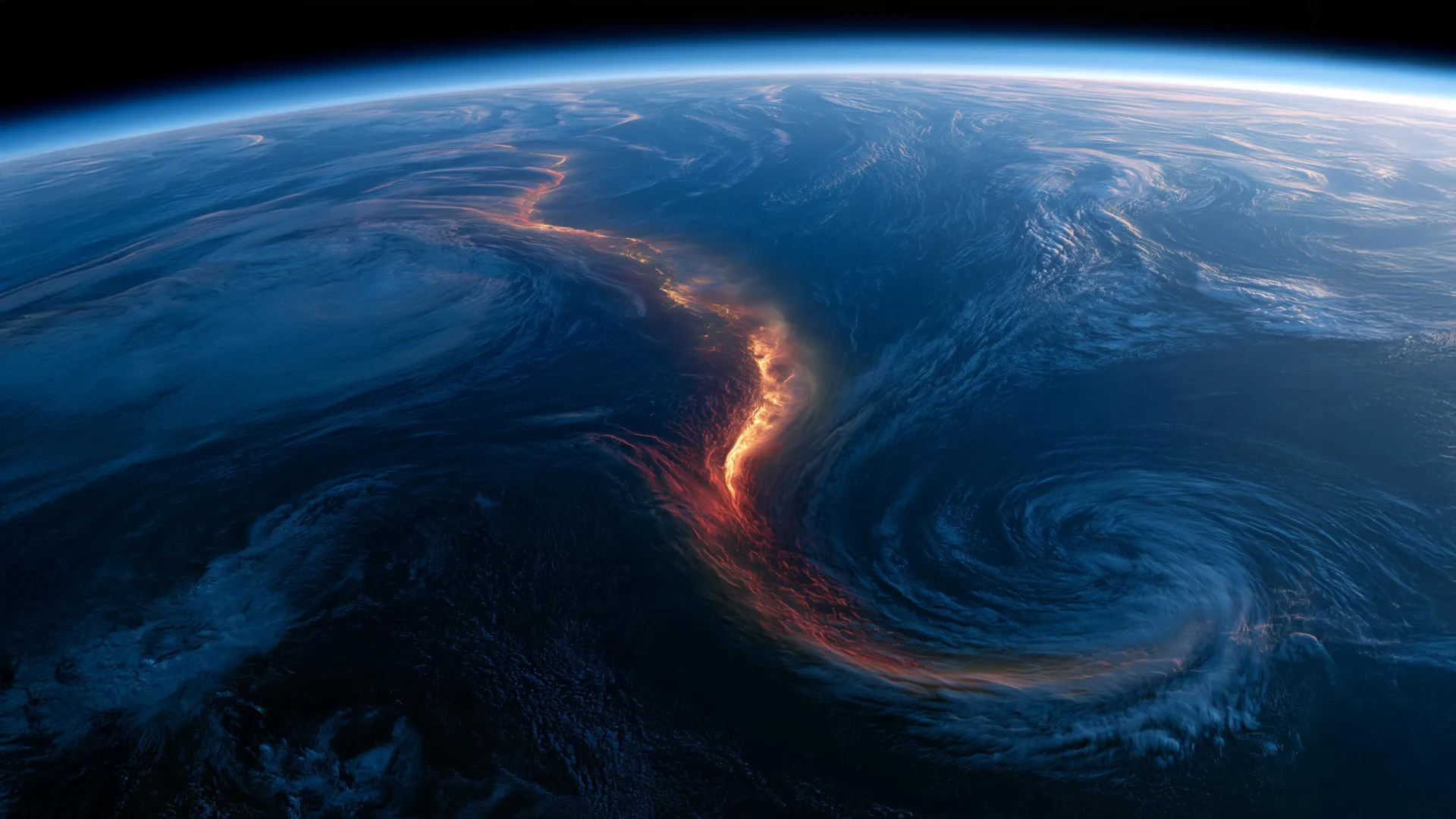
Global Warming Breaking 400-Year Ocean Climate Link
- Published in: ScienceDaily
- Key finding: The Indian and Pacific oceans have been climatically linked for centuries, but this connection is now breaking down in an exceptional way driven by human-caused warming.
- Why it matters: Ancient climate records show volcanoes previously disrupted this relationship, but the current shift indicates a novel, anthropogenic disruption of major oceanic climate patterns.
Deep Ocean Sand Analysis Challenges Climate Models
- Published in: Earth.com (reporting on Stanford research)
- Key finding: Stanford researchers analyzed global seafloor data from an ancient cooling era and found almost no sand across all seven continents, defying standard models that expected thick deposits.
- Why it matters: This unexpected lack of sediment may help predict how far Earth’s climate will shift in response to current warming trends, offering new insights into past climate resilience.
Climate Data & Observations
| Metric | Value | Source |
|---|---|---|
| August 2026 Global Temperature Status | Joint hottest month ever recorded | |
| July 2026 Surface Temperature Anomaly | 2.12°F (1.18°C) above 20th-century average | |
| July 2026 Ranking | Tied with 2024 for warmest July on record |
The confirmation that August 2026 tied for the hottest month ever recorded underscores the accelerating pace of global warming. This aligns with NOAA data showing July 2026 also tied for the warmest July on record, indicating a sustained trend of extreme heat months in 2026.
Policy & Action
- Dossier on Germany's Climate Diplomacy Challenges: A new analysis highlights that efforts by Germany and the EU to advance international climate mitigation are under pressure due to shifted domestic political priorities and increased international tensions.
- UN Warning on Climate Culture Wars: UN climate chief Simon Stiell warned that the world must reject "climate culture wars" or face economic ruin, a statement made in conjunction with the release of data showing August 2026 was the joint hottest month ever.
- COP31 Implications Webinar: The International Science Council is hosting a webinar to present how the "10 New Insights in Climate Science 2026" report will influence policy and research communities ahead of COP31.

What to Watch Next
- COP31 Preparation: The scientific community is closely monitoring how the findings from the "10 New Insights in Climate Science 2026" report will shape negotiations and policy frameworks at the upcoming COP31 conference.
- Integration of Feedback Loops in Models: Researchers are expected to accelerate efforts to integrate natural feedback mechanisms—such as those from permafrost and wetlands—into next-generation climate models to better predict warming trajectories.
- Ocean Dynamics Monitoring: Scientists will continue to monitor the breaking link between the Indian and Pacific oceans to understand the long-term implications for global weather patterns and extreme event frequency.
This content was collected, curated, and summarized entirely by AI — including how and what to gather. It may contain inaccuracies. Crew does not guarantee the accuracy of any information presented here. Always verify facts on your own before acting on them. Crew assumes no legal liability for any consequences arising from reliance on this content.
Powered by
