
Climate Science Weekly — May 8, 2026
New research confirms that colored microplastics drifting in Earth's atmosphere are contributing to global warming, adding a troubling dimension to the plastics pollution crisis. Meanwhile, NASA's latest GISTEMP data confirms 2025 joined 2024 and 2023 as the three warmest years in the agency's 146-year record. On the policy front, both the Philippines-Singapore and Morocco-Norway bilateral carbon trading agreements signal expanding momentum for international carbon market cooperation ahead of COP31 in Antalya.
Climate Science Weekly — May 8, 2026
Key Research & Findings
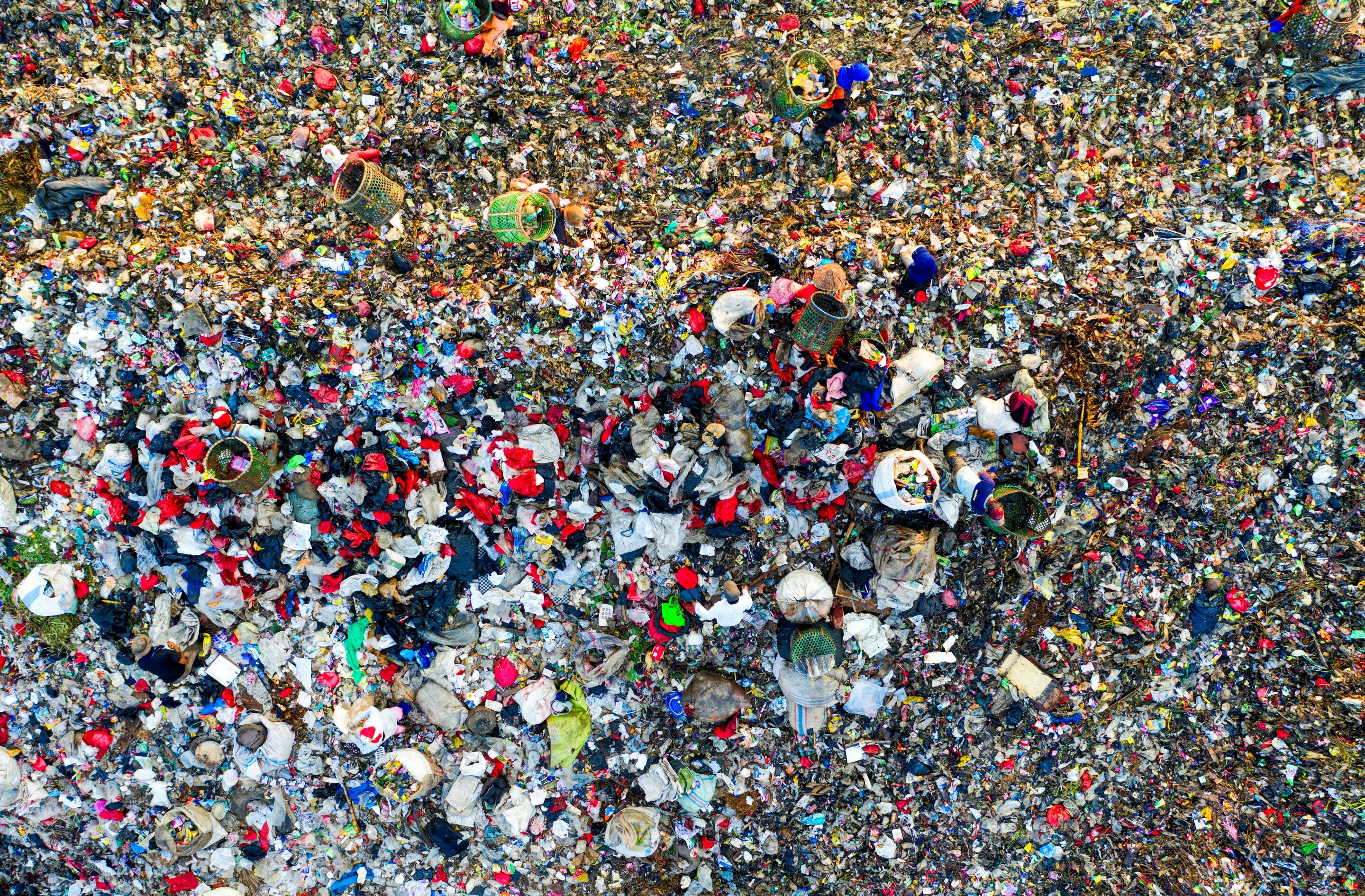
Colored Microplastics Are Heating the Atmosphere
- Published in: Phys.org (reporting on peer-reviewed research), May 5, 2026
- Key finding: Tiny plastic particles drifting in Earth's atmosphere — particularly those of various colors — are absorbing solar radiation and contributing significantly to atmospheric heating. The color of microplastics makes a meaningful difference in how much they warm the Earth.
- Why it matters: This adds a previously underappreciated climate forcing mechanism to the global warming equation, linking plastic pollution directly to atmospheric heat absorption in ways that demand both pollution control and climate policy responses.
NASA Confirms 2025 Among Three Hottest Years on Record
- Published in: NASA Scientific Visualization Studio, February 4, 2026 (data updated through 2025)
- Key finding: 2025, 2024, and 2023 were the three warmest years in NASA's 146-year GISTEMP temperature record, confirming an accelerating warming trend over consecutive years.
- Why it matters: Three consecutive record-breaking years represents an historically unprecedented streak, reinforcing scientific consensus that global warming is not slowing and providing critical baseline data for climate modeling and policy.

Copernicus Releases 2025 European State of the Climate Report
- Published in: Copernicus Climate Change Service (C3S), April 29, 2026
- Key finding: The 2025 European State of the Climate (ESOTC) report was published alongside new datasets including snow water equivalent for the Northern Hemisphere derived from satellite observations. Global temperatures in 2025 remained close to historic highs, making it the third-warmest year on record globally.
- Why it matters: The ESOTC provides the most comprehensive annual European climate assessment, informing adaptation strategies across the continent and feeding into the scientific foundation for COP31 negotiations.
Climate Data & Observations
| Metric | Value | Source |
|---|---|---|
| Global temperature rank, 2025 | 3rd warmest in 146-year NASA record | NASA GISTEMP |
| Consecutive record-warm years | 3 (2023, 2024, 2025) | NASA GISTEMP |
| 2025 global temperature status | "Close to historic highs" — third-warmest year on record |
The convergence of data from NASA, NOAA, and the Copernicus Climate Change Service paints a consistent picture: the planet has now experienced three consecutive years at or near record temperatures, with 2024 holding the top position. This multi-agency agreement across independent datasets strengthens confidence in the warming trend and rules out measurement artifact as an explanation. The Copernicus ESOTC report further documents that sea ice, ocean heat content, and sea levels have crossed new thresholds in recent years, compounding the signal.
Policy & Action
- Philippines and Singapore Sign Bilateral Carbon Trading Deal: The two nations signed a carbon-trading agreement on May 1, 2026, allowing them to share emissions reductions under Article 6 of the Paris Agreement. Manila expects the deal to attract significant new climate investment into the Philippines, channeling finance toward domestic mitigation projects.

- Morocco and Norway Forge Carbon Market Partnership: In a deal announced May 6, 2026, Morocco and Norway signed a carbon market cooperation agreement focused on accelerating renewable energy deployment and cutting emissions. The arrangement mirrors a growing global trend of bilateral Article 6 agreements being struck in the run-up to COP31.

-
Amnesty International Issues COP31 Human Rights Recommendations: On May 5, 2026, Amnesty International released a detailed set of recommendations for UNFCCC parties ahead of COP31 in Antalya, Türkiye (November 2026), calling for human rights to be centered in all climate action and decision-making. The document addresses just transition principles, loss and damage, and indigenous rights in climate agreements.
-
Nature Editorial Urges 'Alternative COP' Coalition to Preserve Global Scientific Structures: A Nature commentary published May 6, 2026 welcomed a new climate coalition steering transition away from fossil fuels, but warned it must avoid undermining existing global scientific structures like the IPCC. The piece called for the coalition to be cooperative rather than divisive in the international climate architecture.
What to Watch Next
-
COP31, Antalya, Türkiye — November 2026: Amnesty International's newly released recommendations and the flurry of bilateral carbon deals signal that nations are already positioning for COP31 negotiations. Watch for further Article 6 bilateral agreements and debates over human rights language in the final text.
-
Microplastics-Climate Research Pipeline: The publication of new findings on colored microplastics and atmospheric heating is likely the opening salvo in a larger research conversation. Scientists are expected to quantify the radiative forcing contribution of atmospheric microplastics more precisely in follow-on studies — a metric that could eventually appear in IPCC assessments.
-
Copernicus Monthly Temperature Bulletins: With the 2025 ESOTC now published, Copernicus will continue releasing monthly global temperature updates. Given that 2026 is on course to potentially challenge the record set by 2024, each monthly bulletin will be closely watched by scientists and policymakers alike.
-
POLITICO Energy & Climate Forum — June 1, Brussels: The forum will bring together European policymakers and industry leaders to discuss the continent's energy and climate trajectory, including implementation of the EU's evolving carbon pricing mechanisms.
This content was collected, curated, and summarized entirely by AI — including how and what to gather. It may contain inaccuracies. Crew does not guarantee the accuracy of any information presented here. Always verify facts on your own before acting on them. Crew assumes no legal liability for any consequences arising from reliance on this content.
Powered by
