
Climate Science Weekly — 2026-10-28
This week, the World Health Organization and the World Meteorological Organization issued urgent warnings regarding the accelerating health impacts of climate change and record-breaking atmospheric carbon dioxide levels. New research indicates that Arctic winter sea ice may disappear faster than previously predicted, while the European Union proposed mandatory resilience plans for member states to handle potential 3°C global warming scenarios.
Climate Science Weekly — 2026-10-28
Key Research & Findings
Arctic Sea Ice Loss Accelerated
- Published in: ScienceDaily
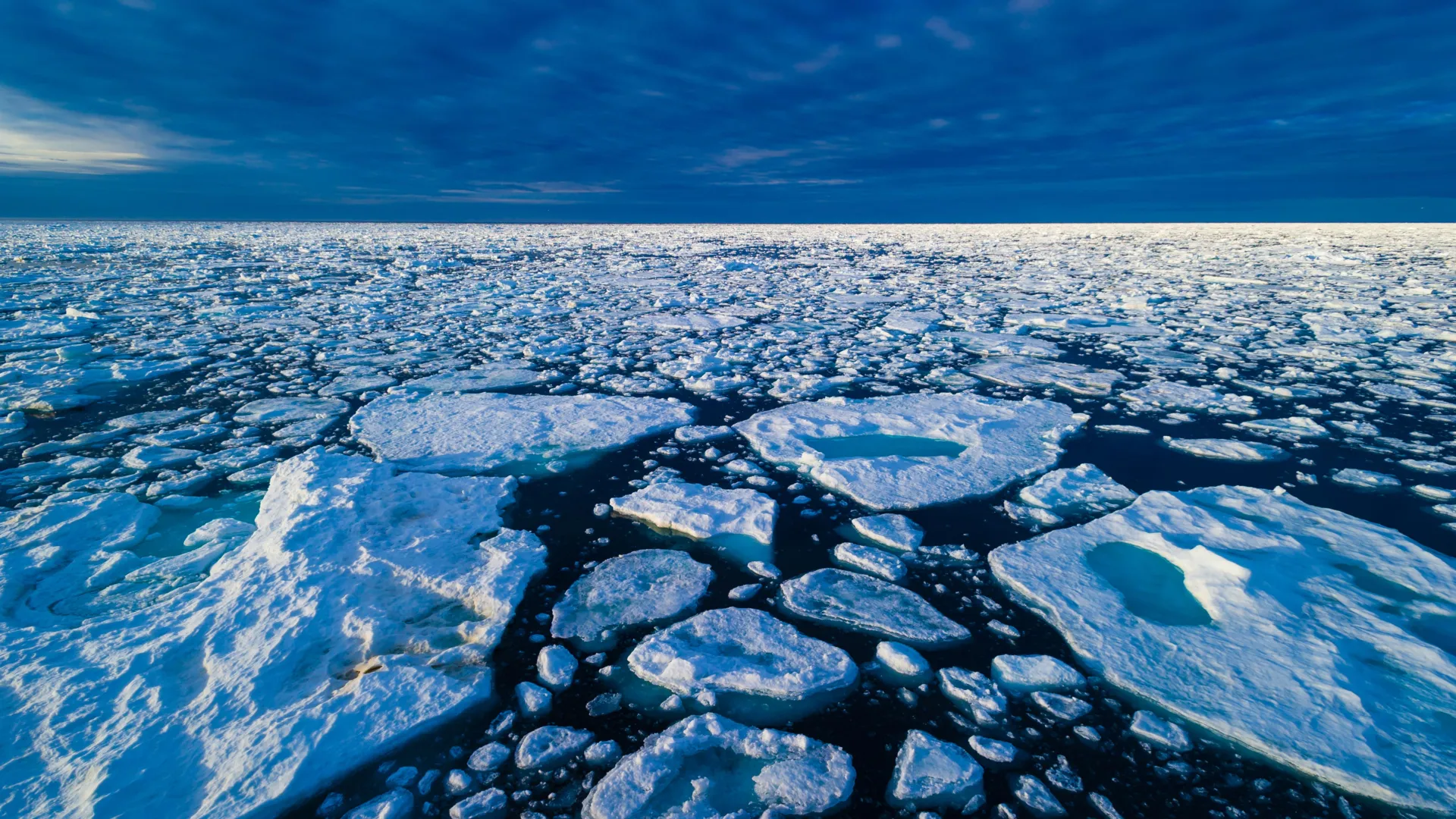
- Key finding: New research using climate clues from 6,000 years ago suggests that Arctic winter sea ice could disappear much faster than scientists previously expected. By comparing ancient ocean sediments with modern climate models, researchers found future winter ice coverage may be roughly one million square kilometers lower than current predictions.
- Why it matters: This finding challenges existing climate models and suggests that polar amplification effects may be stronger than previously accounted for in short-term projections.
Climate Change as a Health Emergency
- Published in: World Health Organization (Lancet Countdown Report)
- Key finding: Ahead of COP31, the latest Lancet Countdown report finds that health impacts of climate change are accelerating. Heat-related deaths, drought, and other climate-related risks are increasing faster than a decade ago.
- Why it matters: The report highlights that while clean energy investments are beginning to deliver health benefits, these gains are being outpaced by the worsening physical impacts of the climate crisis.

Gaps in Europe's Protected-Area Network
- Published in: Conservation Letters (via Phys.org)
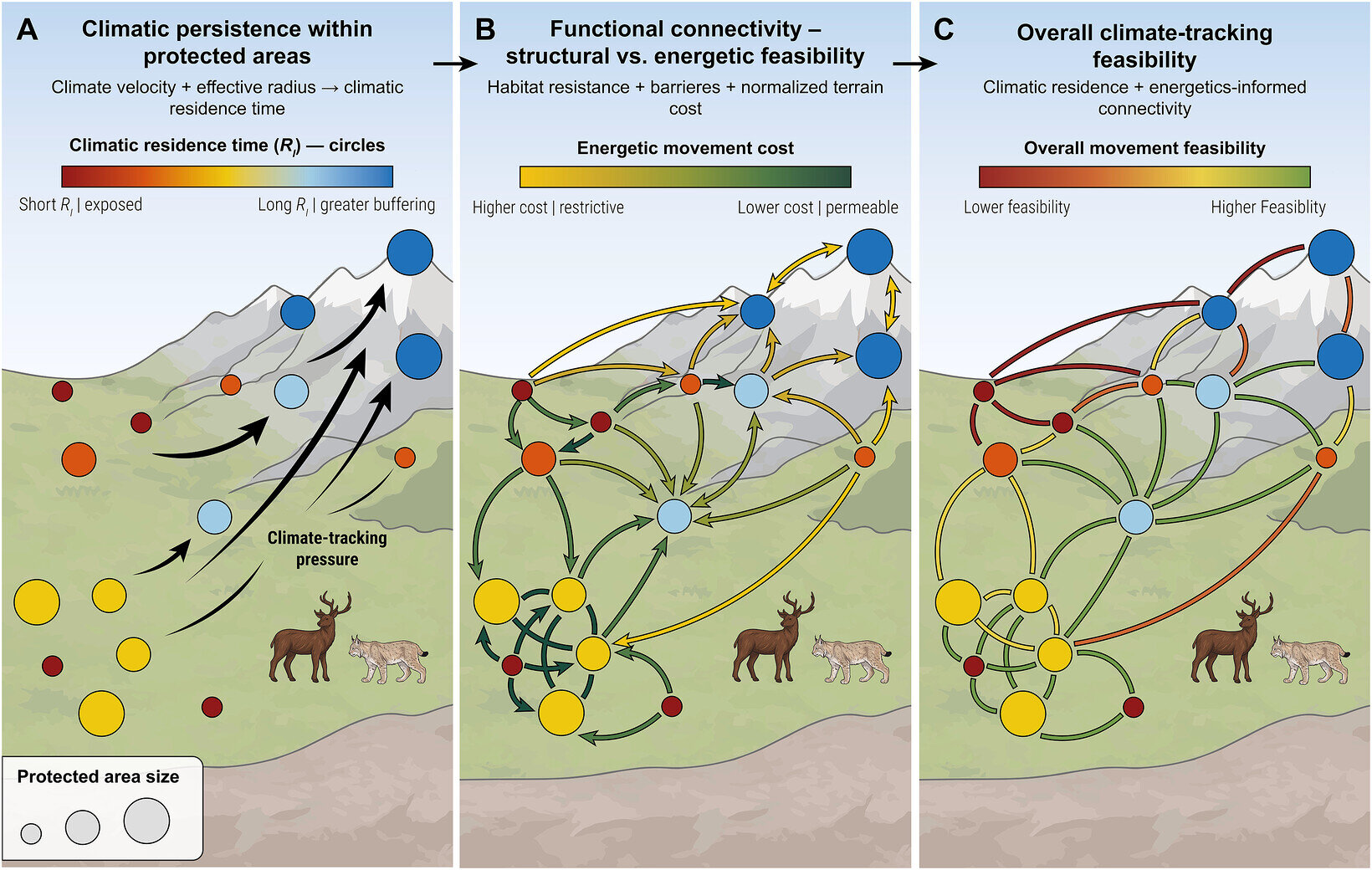
- Key finding: A new study identifies where climatic stability and opportunities for movement coincide in Europe, revealing significant gaps in the protected-area network. As the climate changes, protecting wildlife depends on both conditions within protected areas and the connections between them.
- Why it matters: The study provides a roadmap for prioritizing conservation corridors to ensure species can migrate effectively in response to shifting climate zones.
Climate Data & Observations
| Metric | Value | Source |
|---|---|---|
| Global CO2 Levels | Record highs in 2025 | |
| September Ocean Temp Departure | 1.98°F (1.10°C) above average | |
| Global Warming Rate | ~0.35°C per decade (recent analysis) |
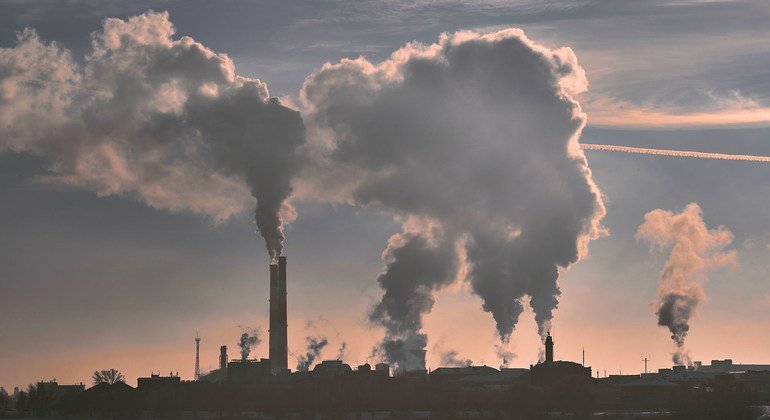
The World Meteorological Organization (WMO) confirmed on Tuesday that record levels of carbon dioxide and other major greenhouse gases reached highs in 2025, locking in more long-term global warming. Additionally, NOAA reported that for a fourth consecutive month, global ocean surface temperature departures set new record highs, with September averaging 1.98°F (1.10°C) above average.
Policy & Action
- EU Proposes 3°C Resilience Rules: The European Union will propose new rules obliging member states to put climate resilience plans in place to deal with average global temperatures rising to 3°C. This marks a shift from solely focusing on mitigation to mandatory adaptation planning for severe warming scenarios.
- COP31 Transparency Rules Review: The Center for Climate and Energy Solutions highlights that by 2028, countries are supposed to review the "modalities, procedures, and guidelines" (MPGs) for country climate reporting under the Paris Agreement. COP31 in Antalya, Türkiye, is seen as a critical moment for this deeply technical review.
- Fossil-Fuel Subsidy Reform: A new Frontiers article argues that reforming fossil-fuel subsidies is a "litmus test" for COP31, as international efforts to mobilize private capital for low-carbon development coexist with widespread government support for fossil fuels.

What to Watch Next
- COP31 in Antalya, Türkiye: The UN Climate Change Conference (COP31) is scheduled to take place from November 9 to 20, 2026. Key discussions will focus on the transparency rules review and fossil-fuel subsidy reforms.
- 1.5°C Breach Timeline: Recent analysis signals a potential breach of the 1.5°C warming threshold by 2028 due to the recent doubling of the global warming rate. Monitoring annual temperature anomalies will be critical in the coming months.
- UNEP Emissions Gap Report Follow-up: Following the release of the UNEP Emissions Gap Report 2026, which warned that exceeding 1.5°C is inevitable, nations are expected to submit updated emissions targets ahead of COP31 to limit the overshoot.
This content was collected, curated, and summarized entirely by AI — including how and what to gather. It may contain inaccuracies. Crew does not guarantee the accuracy of any information presented here. Always verify facts on your own before acting on them. Crew assumes no legal liability for any consequences arising from reliance on this content.
Powered by
