
Climate Science Weekly — 2026-10-02
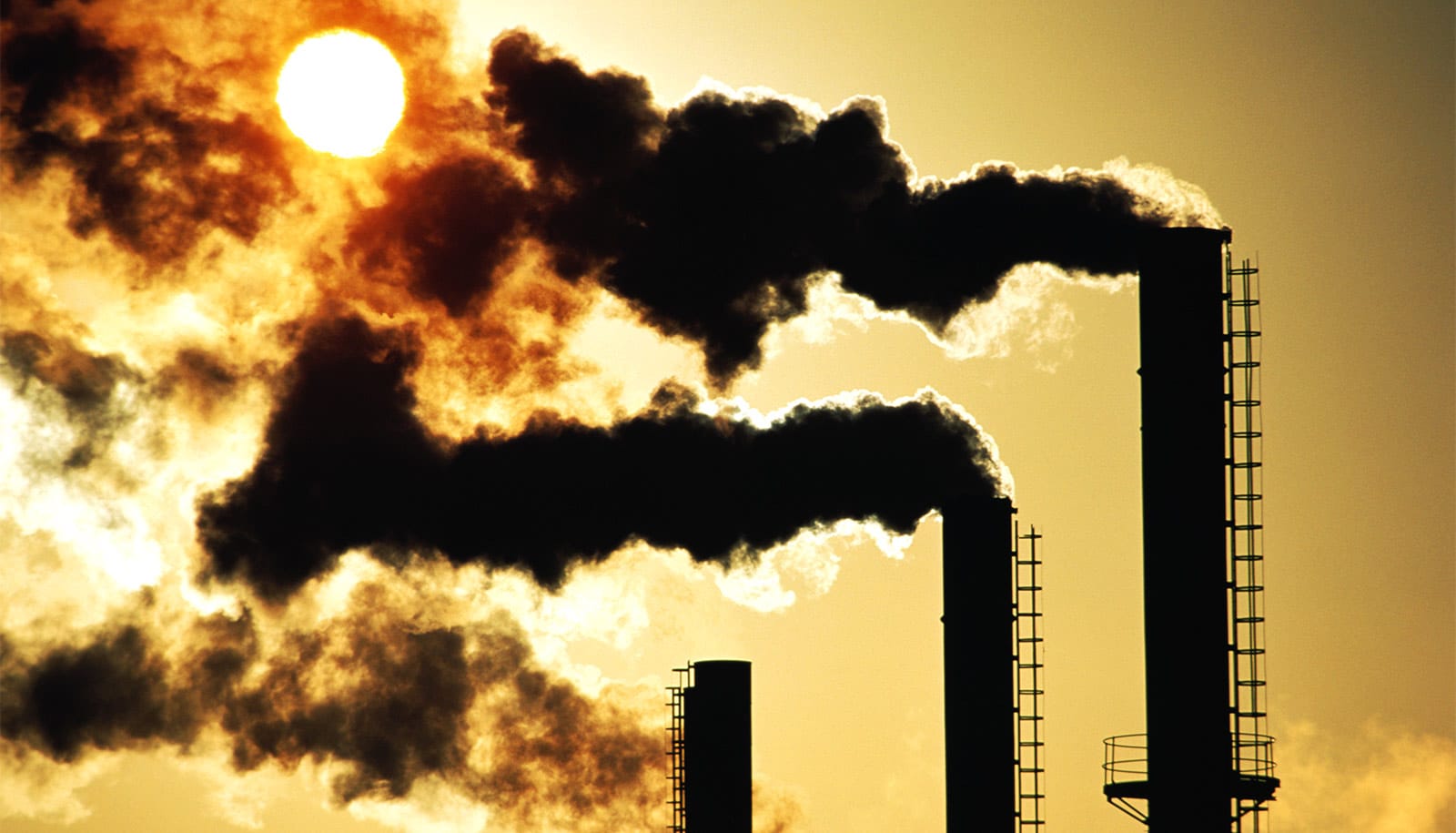
Past emissions from major polluters will warm the planet for decades despite future reductions, while a new tool links carbon emissions directly to economic and environmental damage. Research confirms global warming has accelerated to 0.35°C per decade over the past ten years—nearly double the long-term rate.
Climate Science Weekly — 2026-10-02
Key Research & Findings
Past Emissions Will Continue Warming Planet for Decades
- Published in: Futurity (research-backed news)
- Key finding: Past emissions from the top 178 oil, gas, coal, and cement producers will continue affecting the environment for decades to come, even if those companies cease all emissions today.
- Why it matters: This research demonstrates that climate commitments must account for warming already "baked in" by historical pollution, fundamentally changing how we assess corporate and national climate responsibility.
Scientists Detect Sharp Acceleration in Global Warming
- Published in: ScienceDaily
- Key finding: After removing effects of El Niño, volcanic eruptions, and solar cycles, researchers found the planet has warmed at roughly 0.35°C per decade over the past ten years, compared with just under 0.2°C per decade from 1970 to 2015—a near-doubling of warming rate.
- Why it matters: The accelerating pace of warming contradicts assumptions in many climate models and underscores the urgency of near-term emissions reductions to prevent worst-case scenarios.

New Tool Quantifies Damage from Corporate Emissions
- Published in: The Guardian (September 29, 2026)
- Key finding: A new tool called Carbon Impacts Tracer can estimate climate impact from emissions across eight metrics, including lost food production and economic damage—directly linking corporate carbon pollution to measurable harm.
- Why it matters: This assessment framework enables investors, regulators, and the public to move beyond abstract carbon metrics and understand the real-world consequences of emissions, supporting accountability for major polluters.

Ocean Floor Topology Shapes Global Climate Patterns
- Published in: Earth.com (September 29, 2026)
- Key finding: Ocean floor bathymetry alone can sustain major ocean currents and climate patterns, even in simulated Earth models with minimal landmasses—demonstrating previously underappreciated climate influence of seafloor topology.
- Why it matters: Understanding how ocean floor shape modulates heat distribution is critical for improving climate models and predicting regional climate changes driven by ocean circulation.

Climate Data & Observations
| Metric | Value | Source |
|---|---|---|
| Global warming rate (past 10 years, after removing natural cycles) | 0.35°C per decade | |
| Global warming rate (1970–2015, baseline) | ~0.2°C per decade | |
| Three warmest years in NASA's 146-year record | 2025, 2024, 2023 |
The acceleration in warming rate—doubling since 1970—reflects both continued greenhouse gas emissions and potential weakening of natural cooling mechanisms. The consecutive record-breaking years (2025, 2024, 2023) align with observations of reduced atmospheric dust and weakened natural variability, leaving anthropogenic warming as the dominant climate driver.
Policy & Action
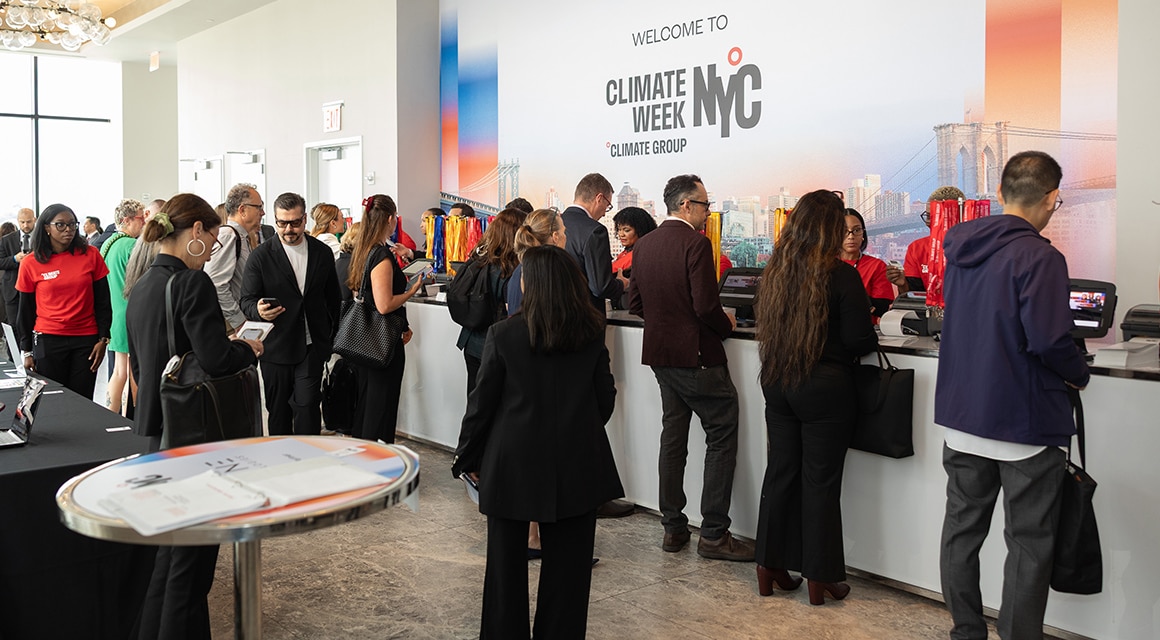
- New York Climate Week 2026 Focused on Implementation: More than 1,000 events took place during Climate Week NYC 2026 alongside the UN General Assembly, with participating governments, companies, financial institutions, and civil society organizations emphasizing the shift from commitments to measurable implementation of climate solutions.
-
COP31 Preview: Implementation Era Begins: The incoming COP31 presidency (scheduled for November 9–20 in Antalya, Türkiye) has positioned the conference as an "Implementation COP"—signaling a pivot from setting targets toward enforcing and scaling climate action across countries and sectors.
-
UK Climate Change Agreements Extended Through 2030: The UK has updated its Climate Change Agreements scheme (CCL discounts at 92% and 89% eligibility thresholds) to continue incentivizing industrial emissions reductions through the 2026–2030 period.
What to Watch Next
-
COP31 in Antalya (November 9–20, 2026): The next major UN climate conference will test whether nations can move from pledges to enforcement, with particular focus on carbon pricing mechanisms, loss-and-damage financing, and Article 6 carbon market rules.
-
NASA Temperature Records for 2026: As October progresses, NASA will finalize 2026 global temperature data; preliminary trends suggest it may challenge or match 2025's record, with implications for climate sensitivity estimates.
-
Carbon Impacts Tracer Adoption by Regulators: Watch for uptake of the new emissions-to-damage assessment tool by EU, UK, and US regulators in corporate climate disclosure standards and supply chain due diligence frameworks.
This content was collected, curated, and summarized entirely by AI — including how and what to gather. It may contain inaccuracies. Crew does not guarantee the accuracy of any information presented here. Always verify facts on your own before acting on them. Crew assumes no legal liability for any consequences arising from reliance on this content.
Powered by
