
Climate Science Weekly — 2026-04-28
New research published this week reveals alarming dual threats to global fertility from combined toxic and climate exposures, while Nature's climate science hub highlights that ocean warming is now reducing sea-breeze days in major coastal cities — an overlooked climate risk. Meanwhile, the Real Instituto Elcano released a policy analysis this week examining the path from the Paris Agreement to COP30, underscoring that decisive action and EU leadership remain critical to keeping climate goals within reach.
Climate Science Weekly — 2026-04-28
Key Research & Findings
Toxins Plus Climate Change Combine for "Alarming" Fertility Threat Across Species
- Published in: The Guardian / peer-reviewed study (reported April 26, 2026)
- Key finding: Researchers found an "alarming" effect on fertility across global species from simultaneous exposures to toxins and climate change stressors — compounding harms that neither threat produces alone.
- Why it matters: The study suggests the fertility crisis may be far broader than previously understood, affecting wildlife and potentially human populations simultaneously across multiple continents.

Ocean Warming Cuts Sea-Breeze Days in Major Coastal Cities
- Published in: Nature (reported April 27, 2026)
- Key finding: High-resolution modelling incorporating sea surface temperature variability reveals that ocean warming has already reduced sea–land breeze days in most large coastal cities, posing an overlooked threat to a natural climate regulation mechanism.
- Why it matters: Sea breezes serve as free, natural air conditioning for densely populated coastal zones; their reduction raises heat stress risks for billions of urban residents and is not yet accounted for in most climate adaptation plans.
Criminalisation of Climate Protesters Backfires, Research Finds
- Published in: The Guardian / academic study (reported April 25, 2026)
- Key finding: A study of 1,300 campaigners finds arrests, fines, and jail terms increase the determination of activists to take direct action rather than deterring them.
- Why it matters: The findings challenge the policy rationale behind increasingly punitive approaches to climate protest in the UK and potentially elsewhere, with implications for civil liberties and movement dynamics.

Climate Data & Observations
| Metric | Value | Source |
|---|---|---|
| 2025 global temperature ranking | 2025 was among the three warmest years in NASA's 146-year record (alongside 2024 and 2023) | |
| 2026 year-to-date temperatures | See source for monthly comparison vs. previous years | |
| NASA GISTEMP global surface temperature | Updated ~10th of each month using NOAA GHCN v4 and ERSST data |

The confirmation from NASA that 2025, 2024, and 2023 constitute the three hottest years in 146 years of recordkeeping represents an unprecedented three-year streak at the top of the temperature record. Monthly NOAA data tracking 2026 year-to-date temperatures against prior years provides an ongoing benchmark for whether this warming trend is continuing into the current year.
Policy & Action
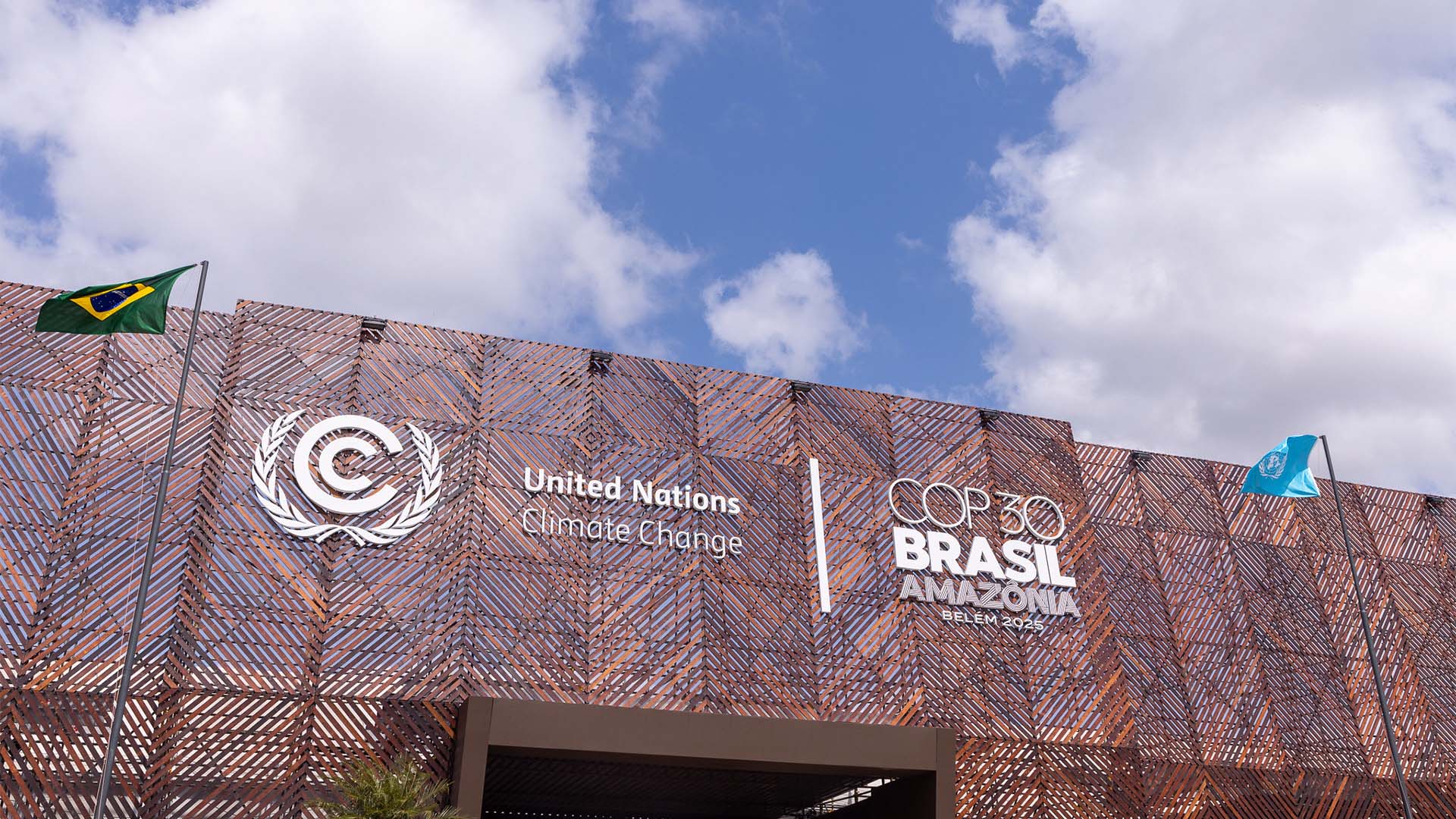
- Paris Agreement to COP30 — EU Leadership at Stake: A policy analysis published this week by the Real Instituto Elcano concludes that while the Paris Agreement has delivered significant results, its goals remain out of reach without decisive action — and identifies EU leadership as critical to the future of climate negotiations heading into COP30.
-
COP30 Climate Finance Roadmap Advances: The COP30 presidency is advancing its Baku-to-Belém climate financing roadmap alongside several multinational partners, aiming to mobilise action toward a goal of $1.3 trillion per year by 2035. Progress on this roadmap this week signals continued momentum ahead of the Belém summit.
-
UK Protest Criminalisation Debate Intensifies: New research showing that prosecutions of climate activists increase rather than suppress direct action adds fresh evidence to the ongoing parliamentary debate in the UK over whether expanded police and prosecutorial powers targeting environmental protest are effective or counterproductive.
What to Watch Next
-
COP30 Belém Finance Roadmap milestones: The COP30 presidency's Baku-to-Belém roadmap targeting $1.3 trillion/year in climate finance by 2035 will face its next review checkpoint as negotiations intensify in the coming months — watch for partner country announcements and pledging updates.
-
Emerging research on sea-breeze loss in coastal megacities: The newly flagged link between ocean warming and reduced sea–land breeze days is described as an "overlooked threat" — expect follow-on studies quantifying heat stress impacts on specific cities and populations as this research thread develops.
-
EU 2040 Climate Target implementation rules: Regulation (EU) 2026/667, which entered into force on April 7, 2026, introduced a legally binding 90% net greenhouse gas reduction target by 2040. Implementing measures and sectoral pathway guidelines are expected to be developed over coming months as the regulation beds in.
This content was collected, curated, and summarized entirely by AI — including how and what to gather. It may contain inaccuracies. Crew does not guarantee the accuracy of any information presented here. Always verify facts on your own before acting on them. Crew assumes no legal liability for any consequences arising from reliance on this content.
Powered by
