
Climate Science Weekly — 2026-09-27
This week's developments center on ocean data collection and climate overshoot: an uncrewed, sun-and-wind-powered saildrone has begun a 22,000km journey around Antarctica to measure how oceans absorb emissions. A peer-reviewed study reinforces the role of wild animals — from dugongs to tigers — as active agents in climate regulation. New research warns that temporarily crossing global warming targets could leave lasting changes in Earth's oceans and permafrost even after temperatures fall.
Climate Science Weekly — 2026-09-27
Key Research & Findings
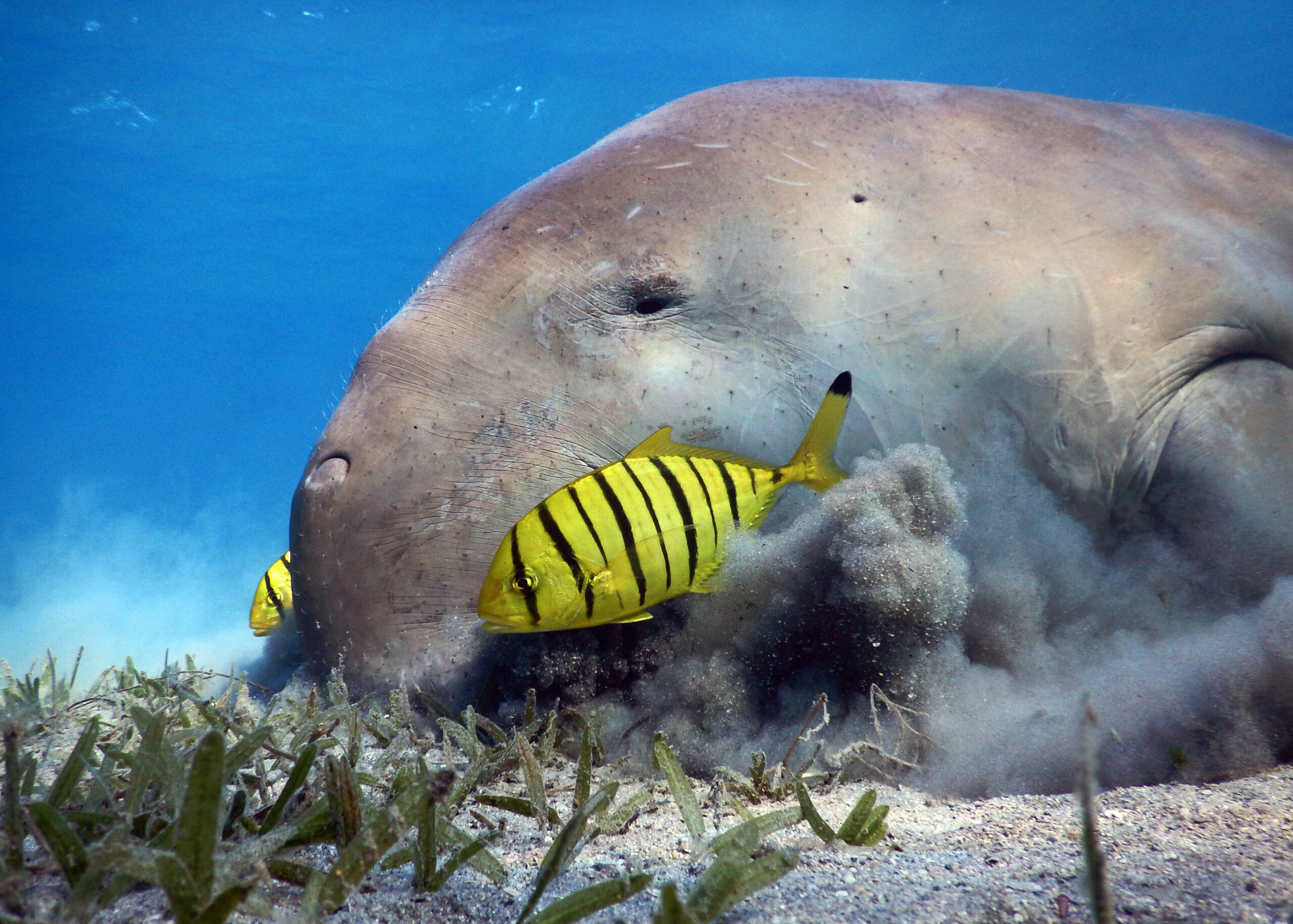
Wild Animals Are Our Climate Allies
- Published in: Peer-reviewed research covered by Oceanographic Magazine
- Key finding: The study reaffirms that wild animals — from dugongs to tigers — play an active role in climate regulation, strengthening the argument that conservation is itself a climate strategy.
- Why it matters: If wildlife actively regulates carbon cycles, protecting animal populations could become a measurable lever in emissions mitigation, not just a biodiversity goal.
Earth May Not Bounce Back After Temporarily Crossing Climate Limits
- Published in: Research covered by Earth.com
- Key finding: Temporarily crossing global warming targets could leave lasting changes in Earth's oceans and permafrost, even after temperatures fall again.
- Why it matters: This challenges the assumption that temperature "overshoot and return" scenarios are reversible — a key assumption in many net-zero pathway models.

Saildrone Begins 22,000km Antarctic Ocean Research Mission
- Published in: Field research program covered by The Guardian | Source: theguardian.com
- Key finding: A robust, hurricane-proof uncrewed vessel powered by sun and wind has begun a treacherous 22,000km journey around Antarctica, collecting data to help Australian scientists better understand how oceans absorb emissions.
- Why it matters: The Southern Ocean is a major carbon sink but is notoriously hard to sample in winter; autonomous vessels could fill critical data gaps in ocean carbon uptake models.

Muser Press Climate Science Digest
- Published in: Muser Press roundup (September 25, 2026)
- Key finding: A roundup of the latest insights from top science journals, featuring impactful research on climate change published September 25, 2026.
- Why it matters: A useful aggregator for the week's peer-reviewed output across climate journals.
Climate Data & Observations
| Metric | Value | Source |
|---|---|---|
| Warmest years in NASA's 146-year record | 2025, 2024, and 2023 | |
| GISTEMP global temperature analysis stations | Data from more than 25,000 meteorological stations worldwide | |
| Antarctic saildrone mission distance | 22,000km |
NASA's GISTEMP record confirms that the three most recent years — 2025, 2024, and 2023 — were the warmest in its 146-year temperature record, based on air temperature data from over 25,000 meteorological stations plus ship- and buoy-based sea surface temperature measurements. NOAA's Climate at a Glance portal remains the reference source for historical global temperature time series.
Policy & Action
- COP31 set for Antalya, Türkiye, November 9–20, 2026: The 31st UN Climate Change Conference will convene governments, negotiators, scientists, businesses and civil society for another round of global climate negotiations, with the incoming presidency framing it as an "Implementation" COP
- Climate movement searching for its next big idea: The Atlantic reports that climate advocates are searching for a political wave to catch, reflecting uncertainty about the movement's political strategy
- Al Gore: 2026 could be the turning point on climate action: Writing in Scientific American, the former vice president argues this year is when the world will get serious about climate change



What to Watch Next
- COP31 in Antalya, Türkiye (November 9–20, 2026): The next major UN climate conference, framed by its incoming presidency as an "Implementation" COP
- Saildrone Antarctic data over mission duration: As the uncrewed vessel circumnavigates Antarctica, expect ongoing data releases on Southern Ocean carbon absorption
- Reversibility of overshoot impacts: Follow-up research on which ocean and permafrost changes persist after temperatures fall — a growing debate ahead of COP31 negotiations
This content was collected, curated, and summarized entirely by AI — including how and what to gather. It may contain inaccuracies. Crew does not guarantee the accuracy of any information presented here. Always verify facts on your own before acting on them. Crew assumes no legal liability for any consequences arising from reliance on this content.
Powered by
