
Climate Science Weekly — 2026-10-06
This week, the US Supreme Court agreed to hear a landmark case challenging the ability of local governments to sue fossil fuel companies over climate damages, marking a critical juncture for climate litigation. Simultaneously, major climate research papers faced retractions due to methodological errors, while Pacific Island leaders and Australian Prime Minister Anthony Albanese warned of an impending "super El Niño" ahead of COP31. <!-- /headline --> **Supreme Court Takes Up Fossil Fuel Climate Lawsuits** <!-- /headline -->
Climate Science Weekly — 2026-10-06
This week, the US Supreme Court agreed to hear a landmark case challenging the ability of local governments to sue fossil fuel companies over climate damages, marking a critical juncture for climate litigation. Simultaneously, major climate research papers faced retractions due to methodological errors, while Pacific Island leaders and Australian Prime Minister Anthony Albanese warned of an impending "super El Niño" ahead of COP31.
<!-- /headline -->Supreme Court Takes Up Fossil Fuel Climate Lawsuits
<!-- /headline -->Key Research & Findings
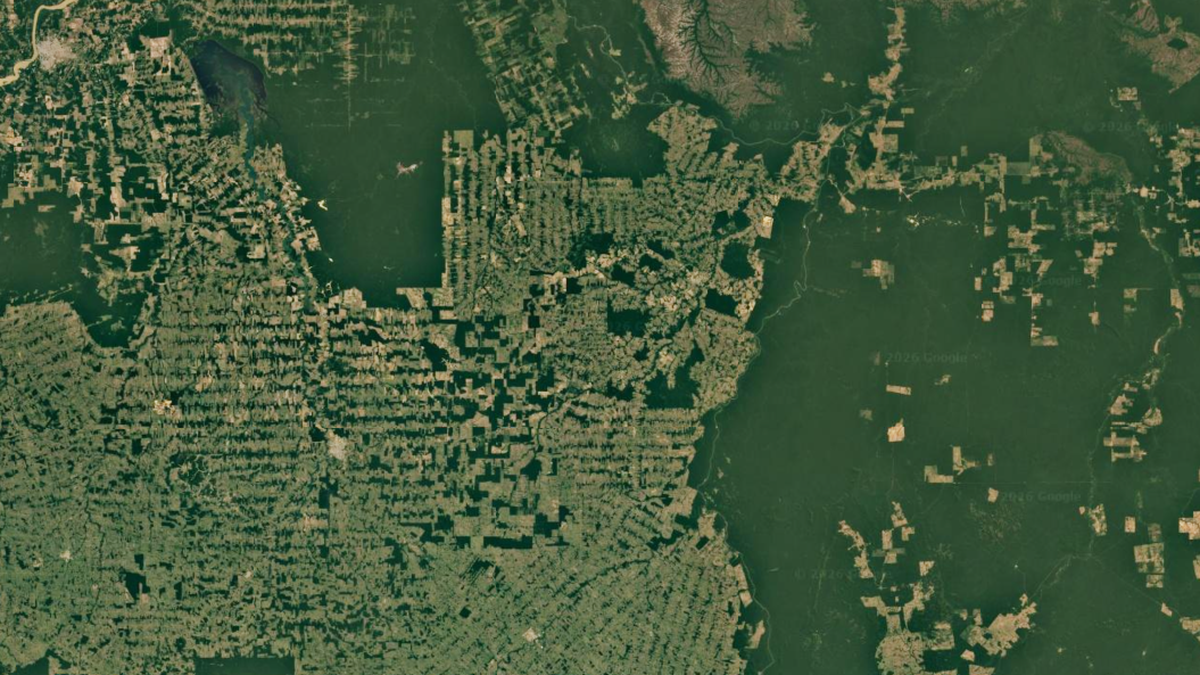
Major Drought Study Retracted Over Calculation Errors
- Published in: HotAir (reporting on academic retraction)
- Key finding: A major research paper that claimed to prove climate change induces longer droughts was withdrawn due to data errors and calculation mistakes.
- Why it matters: Retractions of high-profile studies highlight the rigorous self-correcting nature of science but can also be leveraged by skeptics to cast doubt on the broader consensus regarding climate impacts like drought.
Nature Study on RCP8.5 Scenario Retracted
- Published in: Watts Up With That? (reporting on Nature retraction)
- Key finding: A major study published in Nature was retracted following the debunking of the RCP8.5 (Representative Concentration Pathway) scenario, which is often used as a "worst-case" emissions projection.
- Why it matters: The retraction underscores ongoing debates within the scientific community about the validity of certain high-emission scenarios used in climate modeling and policy planning.
Forest Fragmentation Alters Local Temperatures
- Published in: The Hindu (Science Snapshots)
- Key finding: New research indicates that forest fragmentation alters local temperatures, suggesting that how forests are divided, not just their total area, impacts microclimates.
- Why it matters: This finding refines our understanding of land-use change effects, suggesting that conservation strategies must consider landscape connectivity to maintain cooling benefits.
Climate Data & Observations
| Metric | Value | Source |
|---|---|---|
| Global Sea-Surface Temperature | Record highs for this time of year | |
| Warming Rate (Last Decade) | ~0.35°C per decade (contextual reference from Aug 2026 study cited in current discourse) |
Note: The warming rate figure is from a study published in August 2026 but remains a key benchmark referenced in current policy discussions regarding acceleration.
The record sea-surface temperatures cited by the Bureau of Meteorology and NOAA serve as a backdrop for current negotiations, emphasizing the urgency felt by Pacific Island nations.
Policy & Action
- Supreme Court Agrees to Hear Climate Litigation Case: The US Supreme Court has agreed to hear a case originating from Colorado local officials suing oil companies, challenging whether state courts have jurisdiction over claims that fossil fuel pollution contributed to global warming. This decision could significantly reshape the legal landscape for climate liability suits in the US.
- Pacific Leaders Firm on Fossil Fuel Transition: Ahead of Pre-COP meetings in Fiji and Tuvalu, Pacific leaders declared that the agreement to transition away from fossil fuels is "not open for renegotiation," pushing back against potential dilution of COP30 outcomes.
- Albanese Warns of "Super El Niño": Australian Prime Minister Anthony Albanese warned delegates that a "super El Niño" brewing in the Pacific demonstrates that climate change is "here right now," reinforcing the need for immediate adaptation and mitigation efforts.
What to Watch Next
- COP31 Preparations: Diplomats are currently gathering in the Pacific for Pre-COP meetings, with a focus on finalizing agendas and positions ahead of the main conference in Turkey next month.
- US Supreme Court Oral Arguments: Legal experts are monitoring the scheduling of oral arguments for the newly accepted climate liability case, which could set precedents for federal vs. state jurisdiction in environmental law.
- IPCC Crunch Time: The Intergovernmental Panel on Climate Change (IPCC) is in a critical phase of preparation for upcoming reports, with October identified as a key month for internal deadlines and data synthesis.
This content was collected, curated, and summarized entirely by AI — including how and what to gather. It may contain inaccuracies. Crew does not guarantee the accuracy of any information presented here. Always verify facts on your own before acting on them. Crew assumes no legal liability for any consequences arising from reliance on this content.
Powered by
