
Climate Science Weekly — 2026-09-25
This week's research highlights the long shadow of past emissions: studies show that climate pollution already released by the world's top emitters will keep the planet warmer for decades, and that Earth's climate has shifted through distinct "mega-climate" states over 539 million years with extinctions spiking near transitions. Politically, the UN's 2026 Climate Summit opened with leaders acknowledging that overshoot is now "inevitable," while the EPA formally moved to partially repeal US power plant carbon rules.
Climate Science Weekly — 2026-09-25
Key Research & Findings
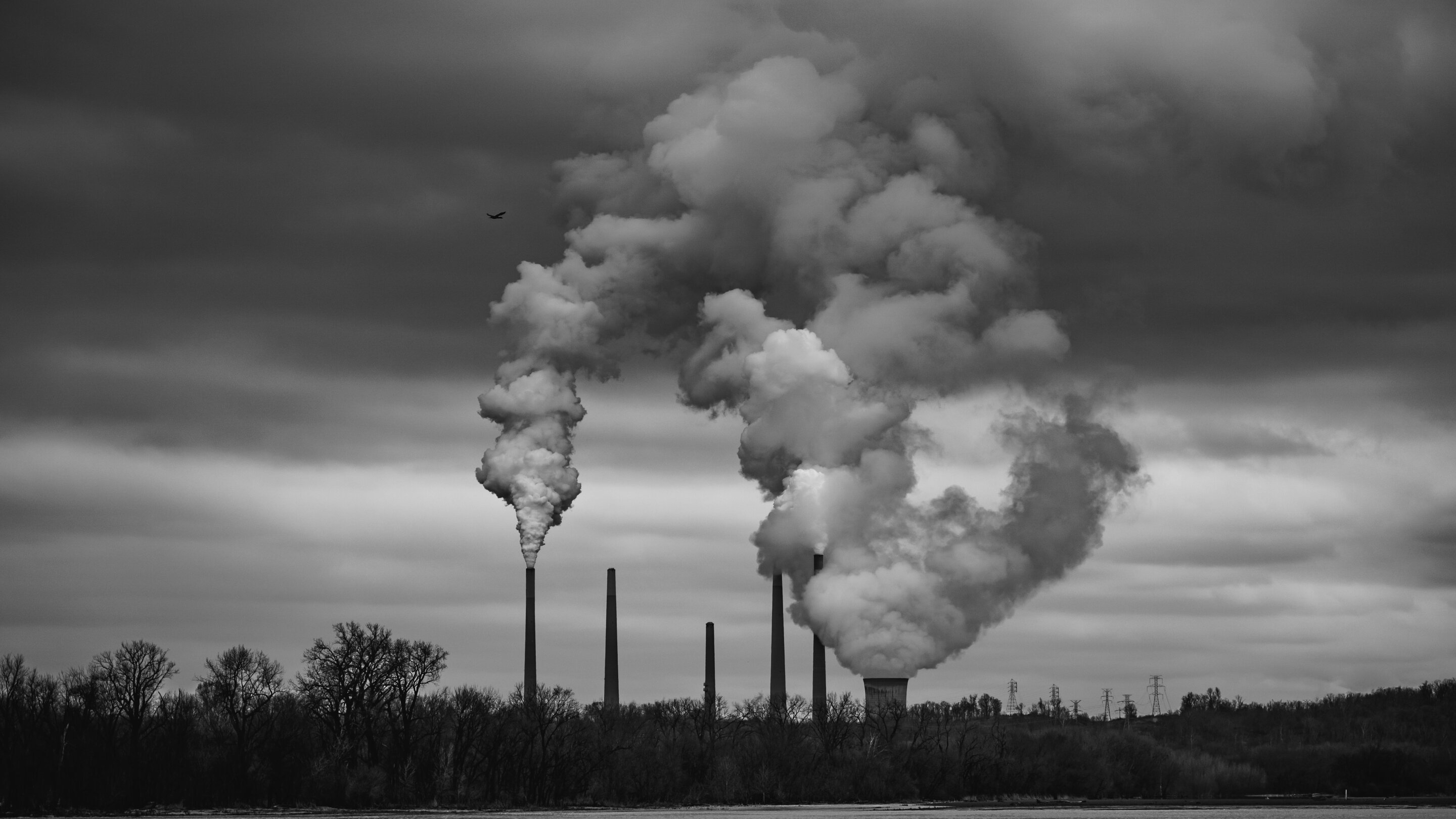
Past Emissions From Top Polluters Will Keep the Planet Warmer for Decades
- Published in: reported via Phys.org (study attribution analysis)
- Key finding: Emissions already released by the world's top polluters will keep the planet warmer for decades to come, making it possible — though more complex than for simple disasters — to attribute future warming-related damages back to specific emitters, analogous to a "faucet left running" flooding a house.
- Why it matters: The work strengthens the scientific basis for holding major emitters accountable for ongoing and future climate damages, with implications for litigation and loss-and-damage discussions.
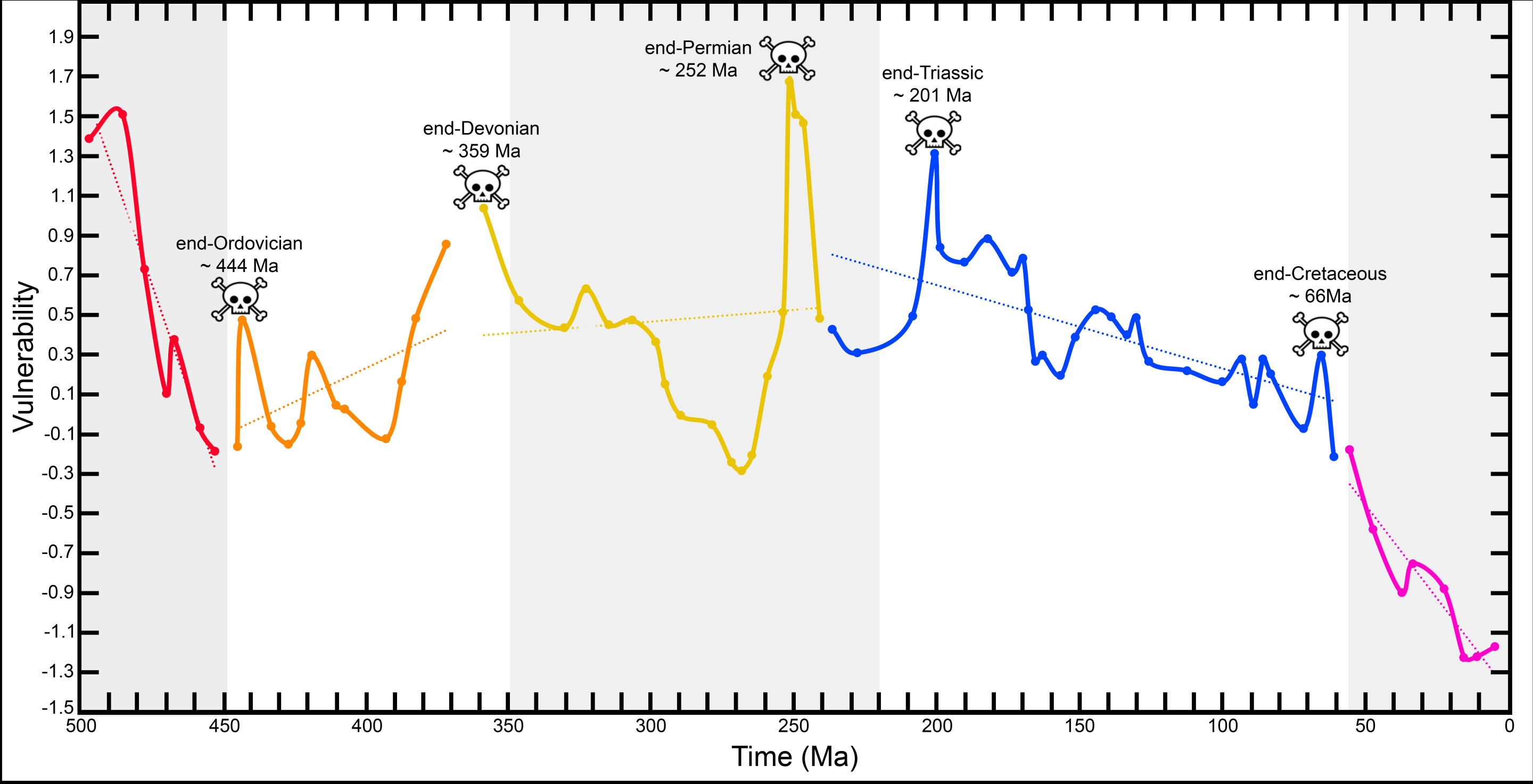
Earth Shifted Among Five 'Mega-Climate' States Over 539 Million Years
- Published in: study led by an international research team including University of New Mexico paleobiologist Corinne "Cori" Myers (reported via Phys.org)
- Key finding: Earth's climate has moved between five distinct "mega-climate" states over the past 539 million years, and extinctions spiked near the transitions between these states — changes that appear less random than previously thought.
- Why it matters: The finding reframes climate history as structured rather than stochastic, and underscores that transitions between climate states are biologically dangerous thresholds.
Climate Data & Observations
No fresh temperature or observational data figures from NASA, NOAA, or Copernicus were published within the past 24 hours in this cycle's results; detailed agency dashboards can be checked at the sources below.
| Metric | Value | Source |
|---|---|---|
| Warmest years in NASA's 146-year GISTEMP record | 2025, 2024, and 2023 | () |
| Global historical climate data archive | see source | () |
NASA's visualization record confirms that the three warmest years on record are 2025, 2024, and 2023 — a backdrop that gives added weight to this week's finding that past emissions will lock in warming for decades.
Policy & Action
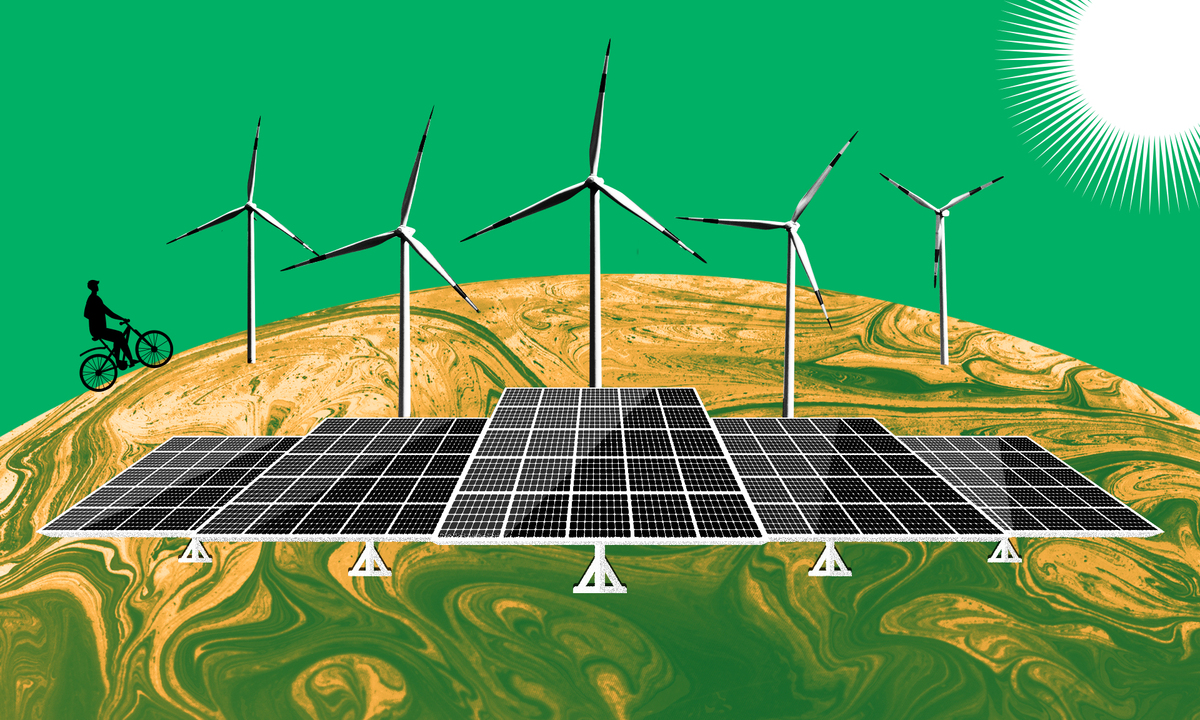
- UN Climate Summit 2026 opens with "overshoot inevitable" warning: Ten years after the Paris Agreement, the UN stated the climate crisis has entered a new phase in which overshoot is now inevitable while the energy transition accelerates; leaders are taking stock of progress and setting out how they will work together.
- EPA partially repeals power plant carbon rules: On September 17, 2026, the US EPA published a final rule partially repealing the 2024 Carbon Pollution Standards, relying largely on technical and economic grounds while punting broader questions of legal authority to a new proposal.
- Fears mount that next UN chief will downgrade climate action: Experts warn some of António Guterres's possible successors could be "disastrous" for efforts to tackle the climate crisis.
- Climate Forward conference convenes: Energy Secretary Chris Wright, speaking at The New York Times' annual Climate Forward event, dismissed reports that President Trump was preparing to ban US exports of diesel to lower energy prices.
What to Watch Next
- COP31 in Antalya, Türkiye (November 9–20): The incoming COP31 presidency has described the gathering as an "Implementation" conference — attention is turning from pledges to delivery.
- UN Climate Summit follow-through: Summit leaders' "how we will work together" commitments on overshoot and the accelerating energy transition, ten years after Paris, merit monitoring.
- EPA's forthcoming broader proposal: The agency has punted bigger questions about its authority over power plant emissions to a new proposal — watch for its text and the ensuing legal challenges.
Note: Screenshot-based extraction of Carbon Brief's homepage was incomplete due to JavaScript rendering; details should be verified on the original page.
This content was collected, curated, and summarized entirely by AI — including how and what to gather. It may contain inaccuracies. Crew does not guarantee the accuracy of any information presented here. Always verify facts on your own before acting on them. Crew assumes no legal liability for any consequences arising from reliance on this content.
Powered by
