
Climate Science Weekly — 2026-10-26
Recent climate science developments highlight a surge in potent greenhouse gas emissions and accelerating global warming trends, while new reports warn that the 1.5°C warming threshold is now inevitably breached. Policy discussions ahead of COP31 focus on minimizing "overshoot" through urgent emissions cuts.
Climate Science Weekly — 2026-10-26
Key Research & Findings
SF6 Super-Pollutant Surge in Beijing
- Published in: Inside Climate News
- Key finding: Expanding electric grids and semiconductor industries in the Beijing region are driving increased emissions of sulfur hexafluoride (SF6), described as the world’s most potent greenhouse gas.
- Why it matters: SF6 has a global warming potential thousands of times higher than CO2, making its regulation critical for climate mitigation efforts.
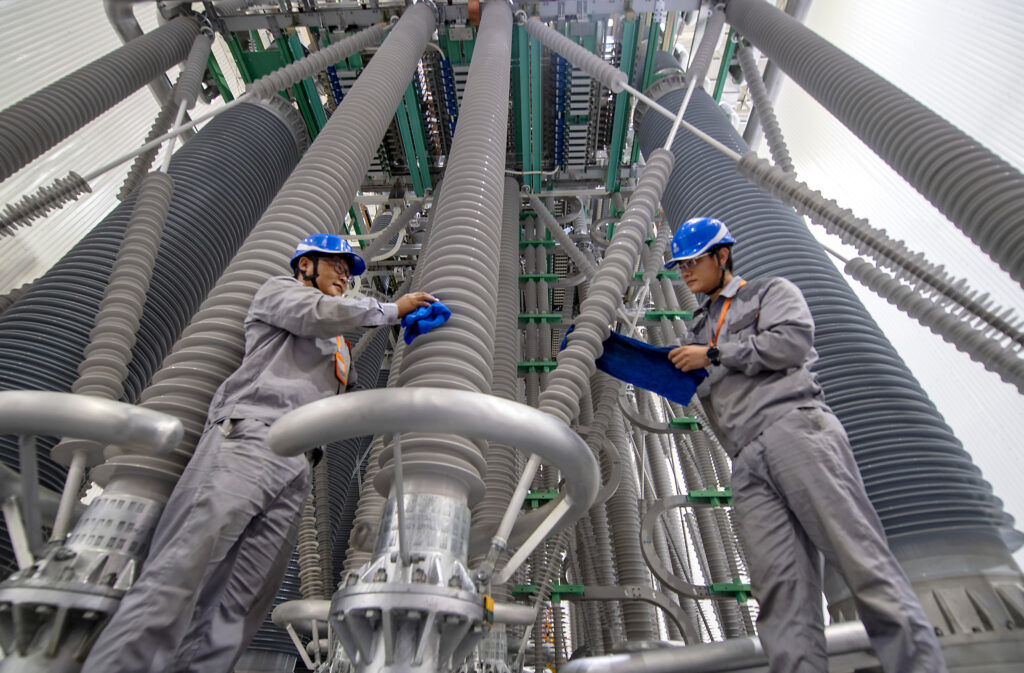
Surge in SF6 emissions in Beijing
Accelerated Global Warming Rate
- Published in: ScienceDaily (referencing recent analysis)
- Key finding: After removing effects of El Niño, volcanic eruptions, and solar cycles, researchers found the planet has warmed at roughly 0.35°C per decade over the past ten years, compared to just under 0.2°C per decade from 1970 to 2015.
- Why it matters: This sharp acceleration indicates that climate systems are responding faster than previous models predicted, requiring updated mitigation strategies.

Global warming acceleration visualization
Species Turnover Slowdown
- Published in: Nature Communications (via ScienceDaily)
- Key finding: Despite accelerating climate change, there is a widespread slowdown in short-term species turnover.
- Why it matters: The mismatch between rapid climate shifts and slower biological adaptation rates may lead to increased extinction risks and ecosystem instability.
Climate Data & Observations
| Metric | Value | Source |
|---|---|---|
| Global Warming Rate (Last 10 Years) | ~0.35°C per decade | ScienceDaily |
| Global Warming Rate (1970–2015) | <0.2°C per decade | ScienceDaily |
| Emissions Cuts Required (Next 4 Years) | 18% | The Guardian |
Note: NASA and NOAA official data pages for the specific 24-hour window did not yield new, distinct numerical records beyond the general trend analysis cited above.
Policy & Action
- UNEP Emissions Gap Report 2026 Released: The UN Environment Programme warns that exceeding 1.5°C is now inevitable. The focus has shifted to minimizing this "overshoot" and returning to 1.5°C later.
- 1.5°C Goal Deemed "No Longer Viable": UNEP states the chance to hold warming below 1.5°C with no or limited overshoot is gone. Urgent cuts are needed to limit the extent of overshoot.
- COP31 Preparations in Antalya: The UN Climate Change Conference is scheduled for November 9–20, 2026, in Antalya, Türkiye. Discussions will center on the "action agenda" and closing the emissions gap identified in recent reports.
What to Watch Next
- COP31 Negotiations: The upcoming UN Climate Change Conference in Antalya, Türkiye (Nov 9–20, 2026) will be the primary venue for international policy responses to the latest UNEP findings.
- IPCC Report Continuity: Amidst political deadlock, IPCC scientists have vowed to continue producing climate assessment reports to ensure scientific consensus remains available for policymakers.
- California Fifth Climate Change Assessment: New regional research from California, including Sierra Nevada studies, is being integrated into state resilience planning, serving as a model for sub-national climate adaptation.
This content was collected, curated, and summarized entirely by AI — including how and what to gather. It may contain inaccuracies. Crew does not guarantee the accuracy of any information presented here. Always verify facts on your own before acting on them. Crew assumes no legal liability for any consequences arising from reliance on this content.
Powered by
