
Climate Science Weekly — 2026-11-10
COP31 climate negotiations have commenced in Antalya, Türkiye, amid urgent warnings from the UN that Earth is accumulating heat at an accelerating rate. Concurrently, a new report from the Global Carbon Project indicates that global fossil fuel emissions are expected to decline by 0.4% in 2026, though analysts attribute this dip primarily to geopolitical disruptions rather than renewable energy expansion. These developments coincide with NOAA’s release of October 2026 data showing the fourth-warmest October in the 132-year record for the contiguous United States.
Climate Science Weekly — 2026-11-10
Key Research & Findings
Global Fossil Fuel Emissions Expected to Decrease in 2026
- Published in: Global Carbon Project (via Time and Science News)
- Key finding: Global fossil fuel emissions are expected to decrease by 0.4% in 2026.
- Why it matters: While a decline in emissions is positive, reports indicate the reduction is likely driven by high gas prices resulting from the Iran war rather than a successful transition to renewables.

Mapping Climate Change Research via Bibliometrics
- Published in: Climatic Change (Springer Nature)
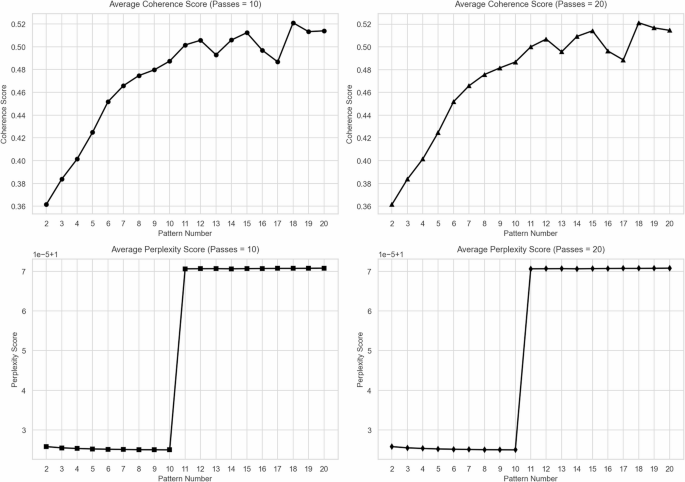
- Key finding: A new study employs large-scale bibliometric analysis combined with Natural Language Processing (NLP) to map the vast body of climate change scholarship.
- Why it matters: The research aims to clarify intellectual patterns and identify critical gaps in the fragmented field of climate science.
October Research Roundup: Arctic Changes and Carbon Storage
- Published in: State of the Planet (Columbia University)
- Key finding: Recent papers explore how delayed climate action could trigger abrupt changes in the Arctic and what ancient ocean sediments reveal about carbon storage during the last ice age.
- Why it matters: These studies provide historical context for current warming trends and highlight the risks of delayed mitigation efforts.

Climate Data & Observations
| Metric | Value | Source |
|---|---|---|
| CONUS Average Temperature (Oct 2026) | 58.7°F (4.6°F above 20th-century average) | |
| Global Surface Temperature (Sep 2026) | 2.39°F (1.33°C) above 20th-century average | |
| Global Fossil Fuel Emission Change (2026 Forecast) | -0.4% |
The contiguous United States experienced its fourth-warmest October in the 132-year record, with temperatures significantly exceeding historical averages. This aligns with broader global trends where September 2026 ranked as the second-warmest September on record.
Policy & Action
- COP31 Begins in Antalya, Türkiye: Delegates from more than 190 countries gathered on November 9 to focus on implementing targets to cut greenhouse gas emissions, though the US is notably absent.

- UN Warns of "New Age of Climate Extremes": As the summit began, a UN agency warned that increased heat will supercharge extreme weather events, describing Earth as accumulating heat at an accelerating rate.

- Energy Revolution Outpaces COP Agenda: Analysis suggests that the speed of the current energy revolution is overwhelming the pace of international climate negotiations, creating a disconnect between policy and reality.


What to Watch Next
- COP31 Negotiations Continuation: The summit is scheduled to run from November 9–20, 2026, with delegates working to deliver "real" climate progress amidst extreme weather conditions.
- Post-COP31 Implementation: Observers will watch to see if countries deliver on promises regarding equitable fossil fuel transitions and post-2020 climate finance.
- Global Temperature Thresholds: With warming accelerating, experts warn that the 1.5°C breach is imminent, signaling a critical shift in planetary limits.
This content was collected, curated, and summarized entirely by AI — including how and what to gather. It may contain inaccuracies. Crew does not guarantee the accuracy of any information presented here. Always verify facts on your own before acting on them. Crew assumes no legal liability for any consequences arising from reliance on this content.
Powered by
