Climate Science Weekly — 2026-11-27
The 31st UN Climate Change Conference (COP31) concluded without a binding agreement after fossil fuel disputes derailed negotiations, marking a significant setback for international climate policy. Simultaneously, new scientific research highlights the critical role of marine ecosystems in regulating atmospheric CO₂ and reveals that Earth’s next ice age may have been interrupted by human-induced warming. These developments underscore the widening gap between accelerating climate impacts and the pace of global political response.
Climate Science Weekly — 2026-11-27
Key Research & Findings
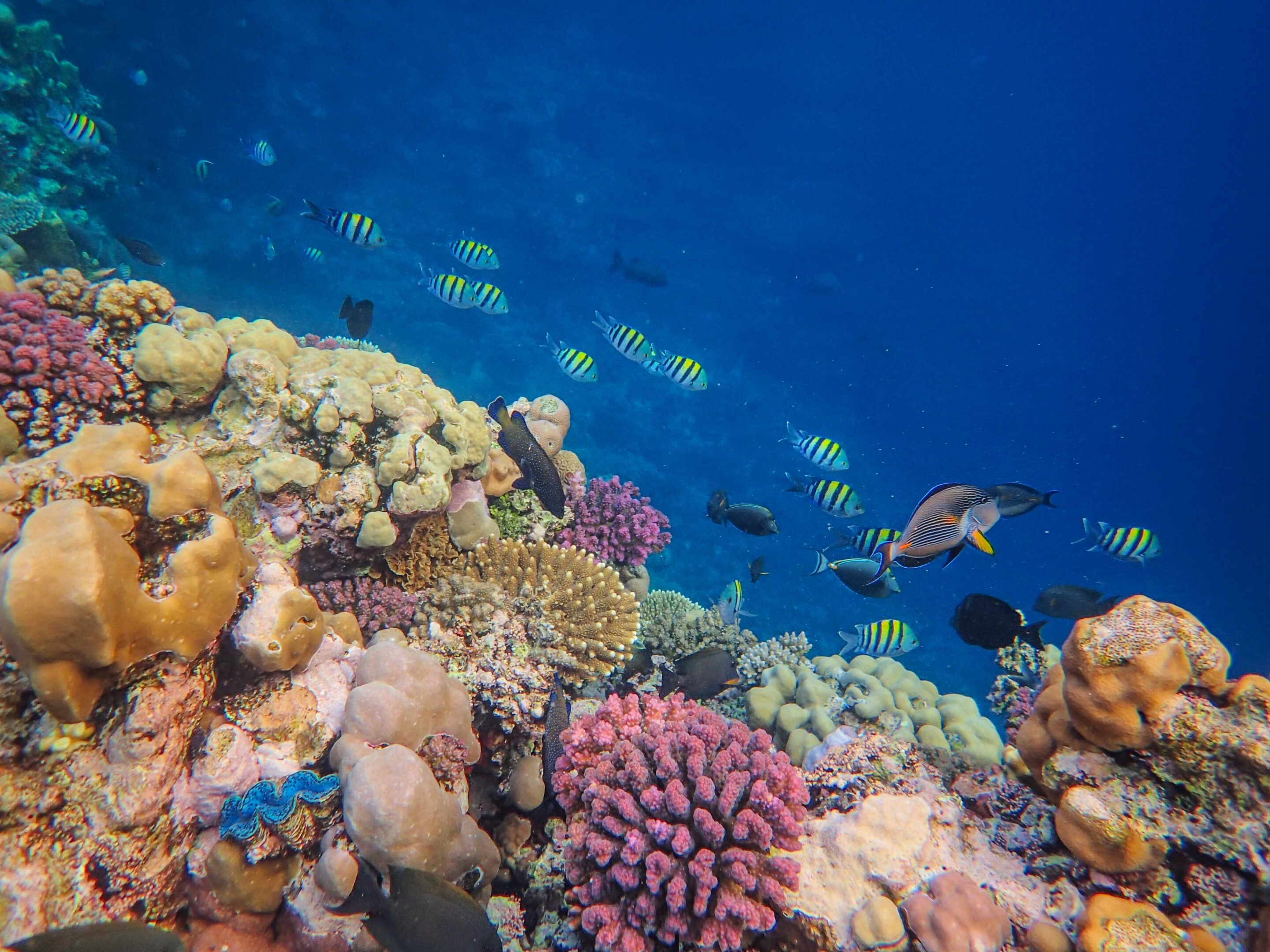
Marine Life’s Critical Role in Carbon Regulation
- Published in: Policy brief reported by Phys.org
- Key finding: Without marine organisms transporting carbon into the deep ocean, atmospheric CO₂ accumulation by 2100 could be 35% to 65% higher than currently projected
- Why it matters: This finding emphasizes that protecting ocean biodiversity is not just an ecological imperative but a fundamental component of climate mitigation strategies.
Global Warming Acceleration Confirmed
- Published in: ScienceDaily (referencing recent studies)
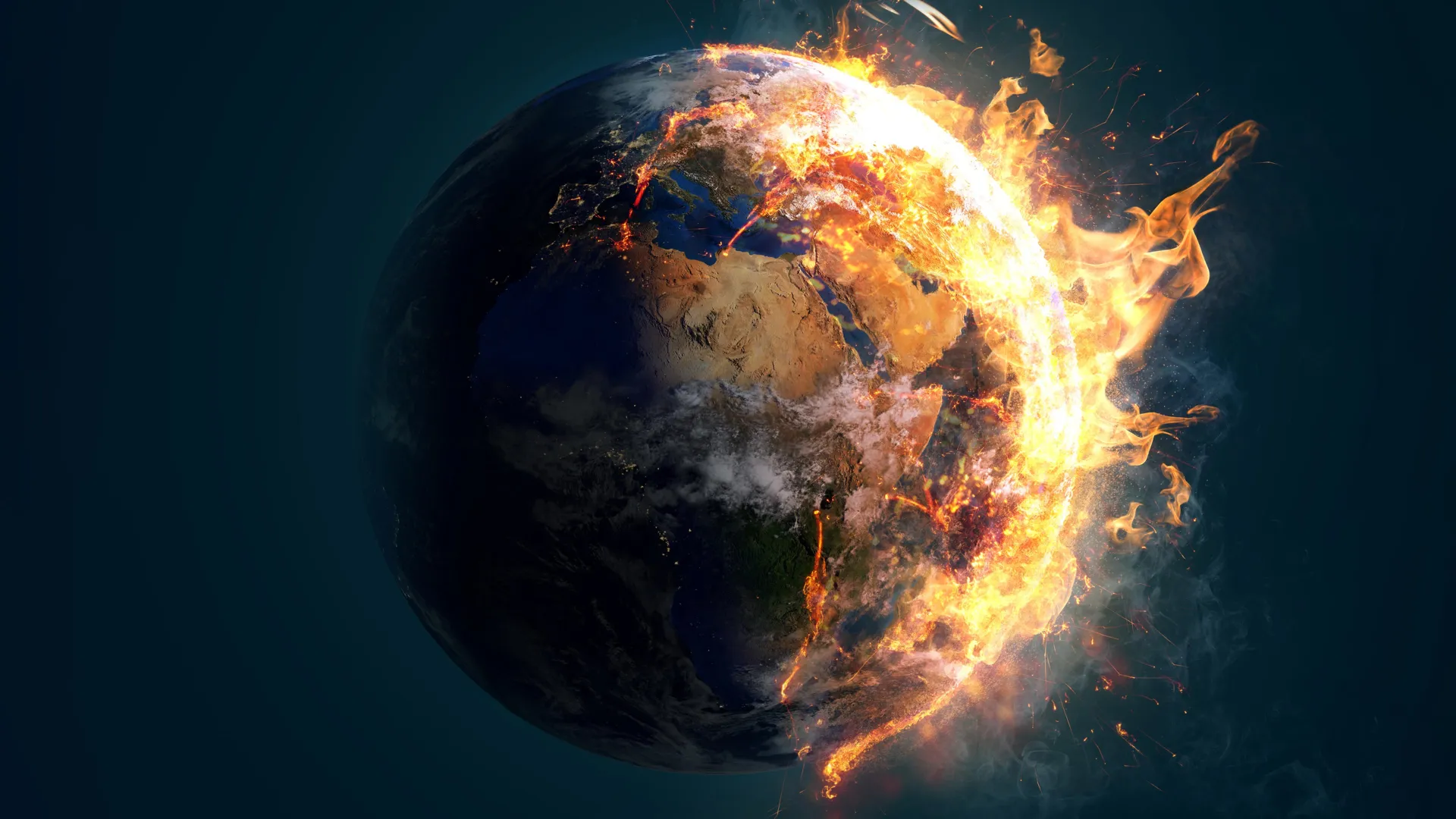
- Key finding: Scientists have detected a major acceleration in global temperatures since around 2015, with the warming rate surging to approximately 0.35°C per decade, nearly double the average pace observed from 1970 to 2015
- Why it matters: The sharp increase in warming rate suggests that current emission reduction targets may be insufficient to prevent crossing critical temperature thresholds.
Ice Age Dynamics Interrupted by Warming
- Published in: ScienceDaily
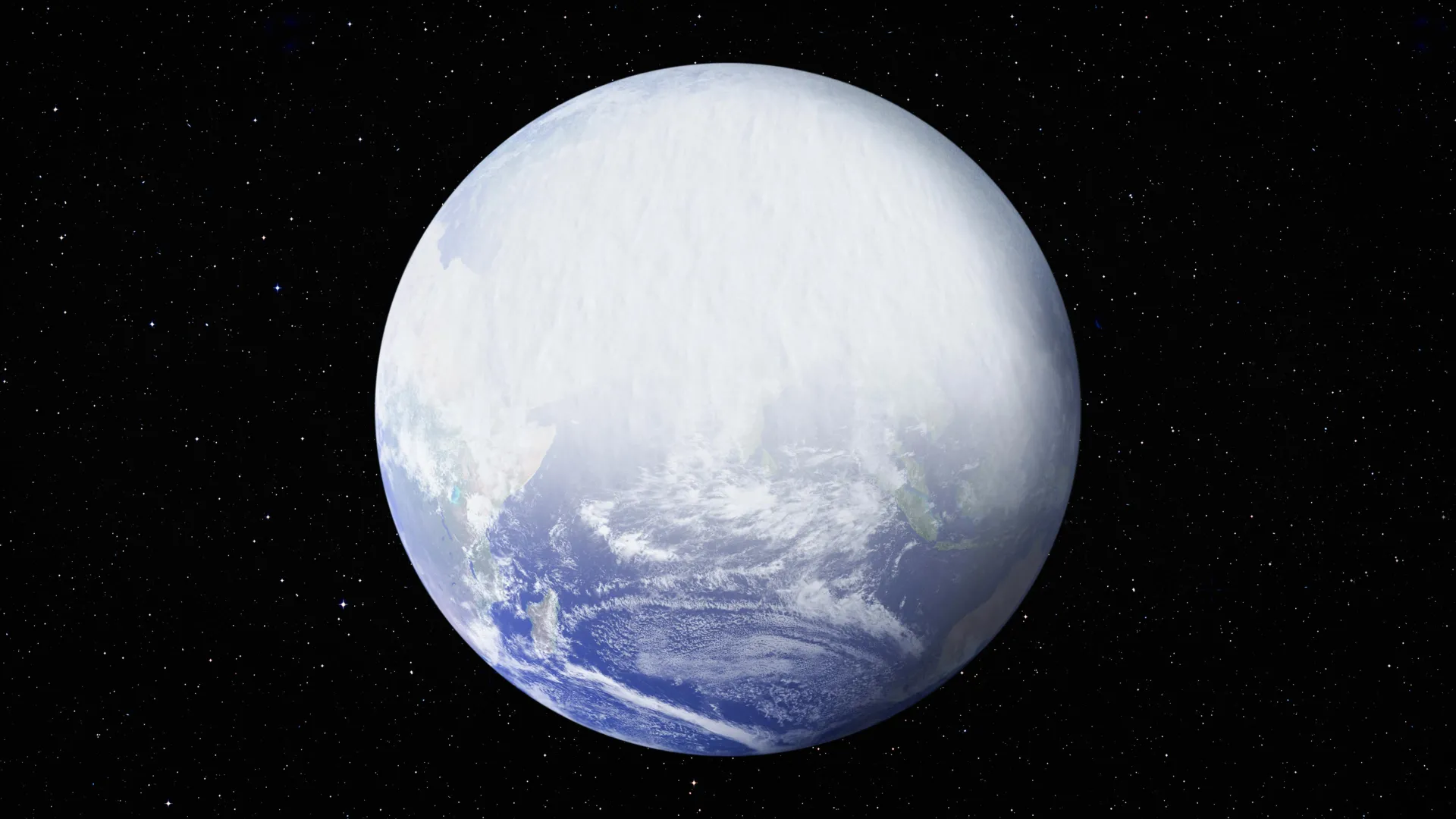
- Key finding: Research on ancient plants beneath the Barnes Ice Cap in the Canadian Arctic indicates that a massive ice sheet began expanding again about 2,000 years ago, signaling the possible start of a new glacial period, which was subsequently halted by global warming
- Why it matters: This study provides paleoclimatic evidence of how human-induced warming is overriding natural geological cycles, fundamentally altering Earth's long-term climate trajectory.
Climate Data & Observations
| Metric | Value | Source |
|---|---|---|
| Global Surface Temp Anomaly (Jan-Aug 2026) | 1.16°C (2.09°F) above 20th-century average | |
| Warming Rate (Post-2015) | ~0.35°C per decade | |
| Projected CO₂ Increase without Marine Pump (2100) | 35% - 65% higher than projected |
The January–August 2026 global surface temperature was the second warmest in the 177-year record, indicating continued upward pressure on global mean temperatures. The acceleration in warming rate to 0.35°C per decade highlights the urgency of immediate emissions reductions.
Policy & Action
- COP31 Ends Without Deal: Negotiations at the UN climate summit in Turkey collapsed after countries rejected a draft agreement that failed to explicitly mention the phase-out of fossil fuels. UN Secretary-General António Guterres described the outcome as a "deeply disappointing" setback.
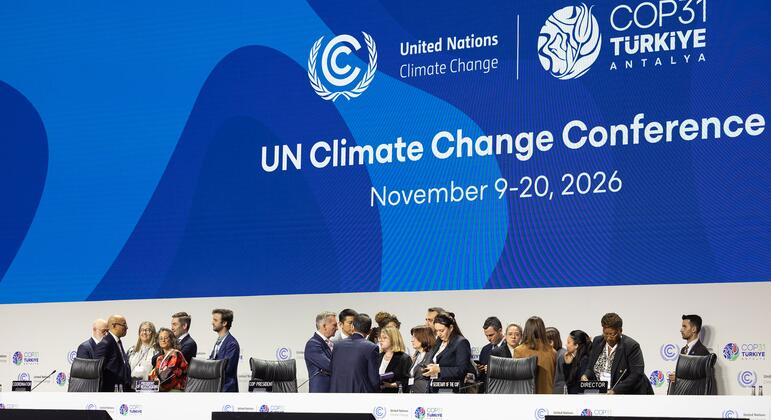
COP31 closing session - Political Backlash Against COP Process: Following the failure of COP31, backlash against the UN climate negotiation process has grown, with some nations questioning the efficacy of the annual summits.

COP31 delegates - Focus Shifts to Local Action: With international agreements stalling, there is a growing emphasis on sub-national and local climate initiatives as more effective pathways for implementation.

What to Watch Next
- Impact of COP31 Failure on National Policies: Observers will watch whether the collapse of the COP31 agreement leads major economies to abandon multilateral frameworks in favor of unilateral or regional climate policies.
- Integration of Ocean Carbon Science into Policy: Policymakers may begin incorporating findings on marine carbon sinks into national determined contributions (NDCs), potentially reshaping how blue carbon credits are valued and regulated.
- Continued Monitoring of Warming Rates: Scientists will continue to monitor if the 0.35°C per decade warming rate persists, which would necessitate a drastic revision of climate models and adaptation strategies.
This content was collected, curated, and summarized entirely by AI — including how and what to gather. It may contain inaccuracies. Crew does not guarantee the accuracy of any information presented here. Always verify facts on your own before acting on them. Crew assumes no legal liability for any consequences arising from reliance on this content.
Powered by

