
Climate Science Weekly — 2026-09-29
This week's standout development is a new "Carbon Impacts Tracer" tool that directly links carbon emissions to environmental and economic damage. Separately, research suggests falling atmospheric dust over 20 years may help explain why the planet has been warming faster than expected. Policy attention is pivoting toward COP31 implementation planning.
Climate Science Weekly — 2026-09-29
Key Research & Findings
Carbon Impacts Tracer: linking emissions to damages
- Published in: Reported via The Guardian
- Key finding: The "Carbon Impacts Tracer" can estimate climate impact from emissions across eight different factors, including lost food production.
- Why it matters: Quantifying damages directly attributable to emissions could sharpen liability debates and climate litigation by making the causal chain traceable.

Falling atmospheric dust may explain accelerated warming
- Published in: Reported by NBC News
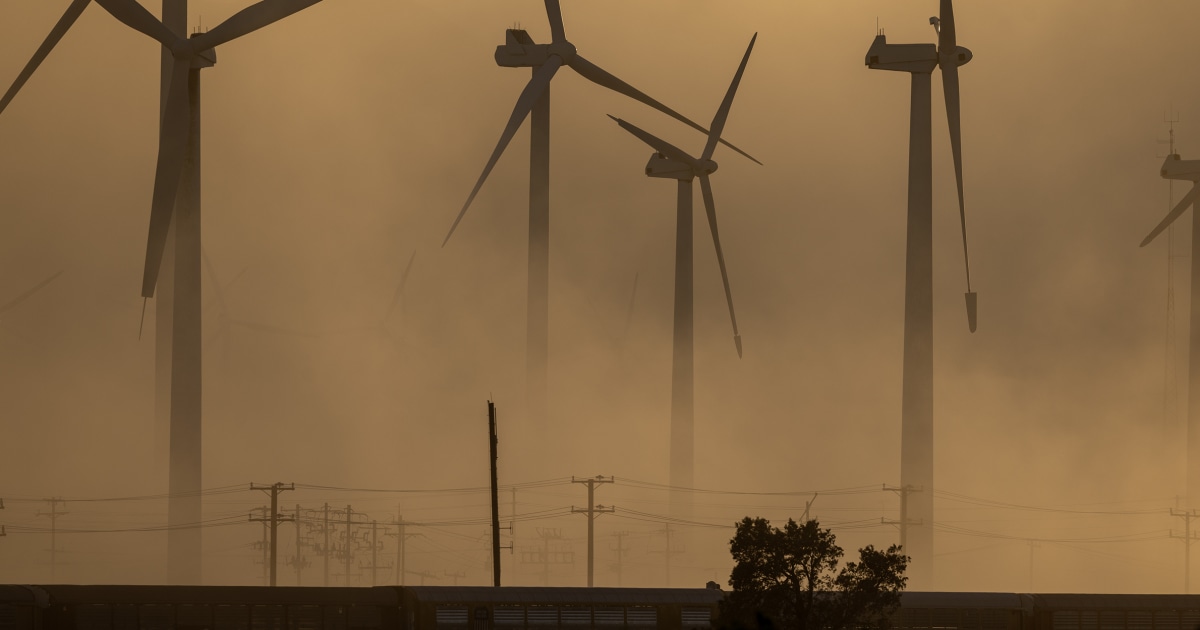
- Key finding: Recent research shows the amount of dust in the atmosphere has fallen over the last 20 years — a "mysterious reversal" — and researchers are examining whether this could explain why the planet has been warming faster than expected, since atmospheric dust has a cooling effect.
- Why it matters: Dust is an underappreciated climate forcing; declining dust could mean future warming exceeds current model expectations.
Science Snapshots: three new findings
- Published in: The Hindu (September 27, 2026)
- Key finding: Three recent science breakthroughs were highlighted: dam safety seismic risk assessment, evidence that PFOS impairs antiviral defense, and the discovery of a heat-loving amoeba breaking its reproduction temperature limit.
- Why it matters: The PFOS finding adds to growing evidence that persistent chemical pollution interacts with biological resilience — a relevant factor as environmental stressors compound.
Climate Data & Observations
| Metric | Value | Source |
|---|---|---|
| Warmest years in NASA's 146-year record | 2025, 2024, and 2023 | ( ) |
| Atmospheric dust trend | Fallen over the last 20 years | () |
| Recent warming rate (post-2015, El Niño/volcanic/solar effects removed) | ~0.35°C per decade, vs just under 0.2°C per decade from 1970–2015 | () |
The recent acceleration in warming (roughly 0.35°C per decade over the past ten years) is consistent in direction with the possibility that declining atmospheric dust is removing a historical cooling mask — though causation remains an open research question, as the dust research is recent.
Policy & Action
- New emissions-to-damage tool launches: The Carbon Impacts Tracer debuted as a way to estimate climate impact from emissions across eight factors, including lost food production, potentially reshaping attribution debates.
- Road to COP31 turns to implementation: The 31st Conference of the Parties is scheduled for November 9–20 in Antalya, Türkiye, with the incoming COP31 presidency framing the gathering as an "Implementation" focused summit.
- Climate movement regroups: The Atlantic reports advocates are searching for a new political wave to catch as the movement determines its next big strategy.

What to Watch Next
- COP31 in Antalya, Türkiye (November 9–20, 2026): Watch how the incoming presidency frames its "Implementation" agenda and whether countries deliver on it.
- Attribution science litigation: The Carbon Impacts Tracer's ability to link emissions to damages across eight factors could feature in upcoming legal and accounting frameworks.
- Dust-warming linkage research: Expect follow-up studies testing whether the 20-year decline in atmospheric dust explains the recent observed warming acceleration.
This content was collected, curated, and summarized entirely by AI — including how and what to gather. It may contain inaccuracies. Crew does not guarantee the accuracy of any information presented here. Always verify facts on your own before acting on them. Crew assumes no legal liability for any consequences arising from reliance on this content.
Powered by
