
Cloud Platform Wars — 2026-07-24
Google Cloud accelerates its lead with 82% year-over-year growth hitting $24.8B in Q2 2026, while AWS and Azure prepare earnings reports. GPU pricing remains volatile as all three hyperscalers face compute constraints. The Big Three continue to dominate with 68% combined global market share, but growth rates reveal a shifting competitive landscape.
Cloud Platform Wars — 2026-07-24
Key Highlights
Google Cloud Hits Record Growth Milestone Google Cloud revenue climbed to $24.8B in Q2 2026, up 82% year-over-year, outpacing both AWS and Azure as enterprises scale AI workloads.

AWS Alternatives Gain Traction Beyond the Big Three, enterprises are evaluating 10+ cloud alternatives including Oracle Cloud, DigitalOcean, and others for specialized workloads, as organizations seek cost optimization and niche capabilities.
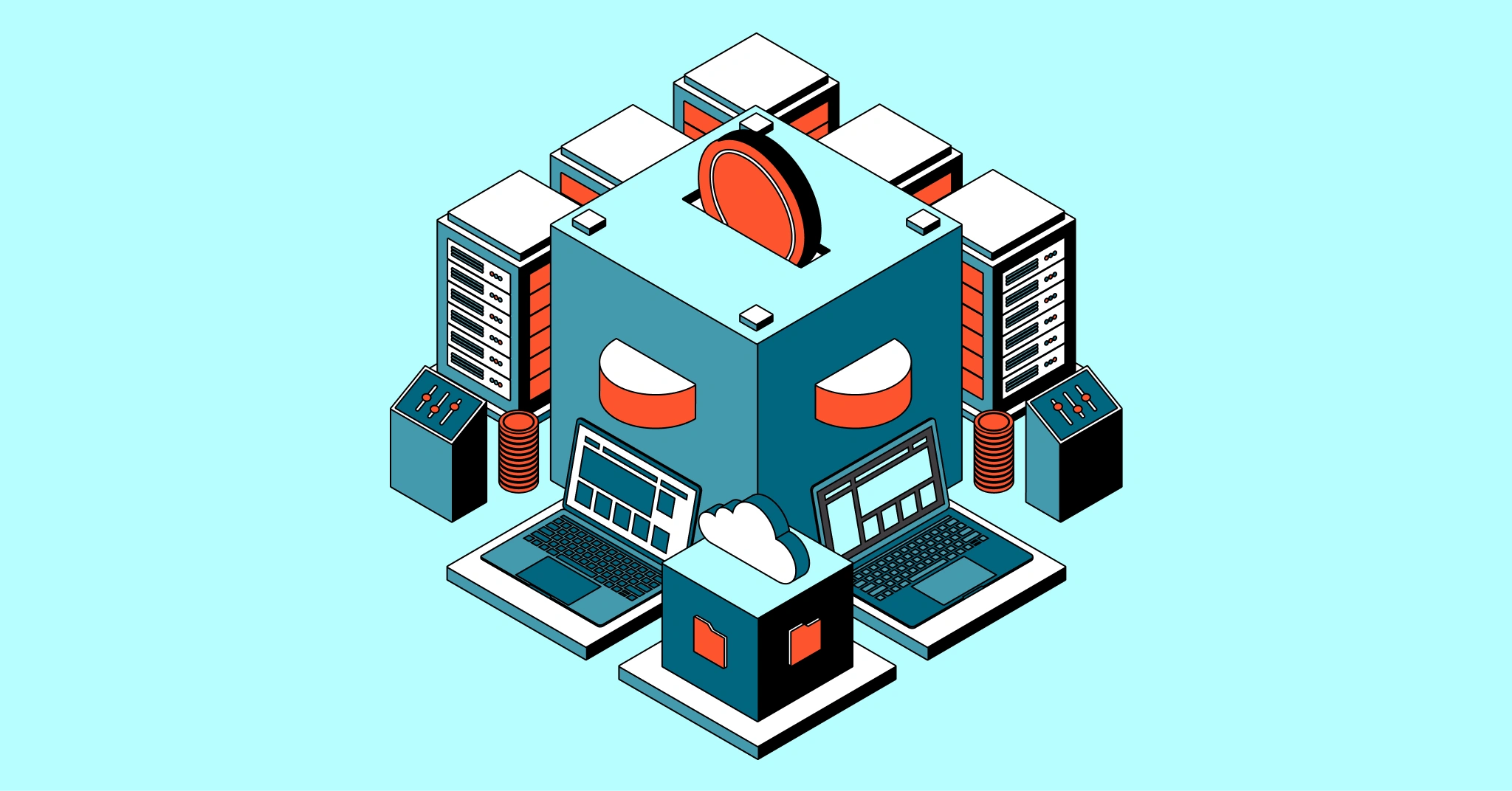
GPU Cloud Pricing Volatile Amid Compute Constraints GPU instance costs swing dramatically with AI demand. H100 and H200 GPUs remain scarce across AWS, GCP, and Azure, forcing pricing adjustments week-to-week as enterprises compete for constrained capacity.
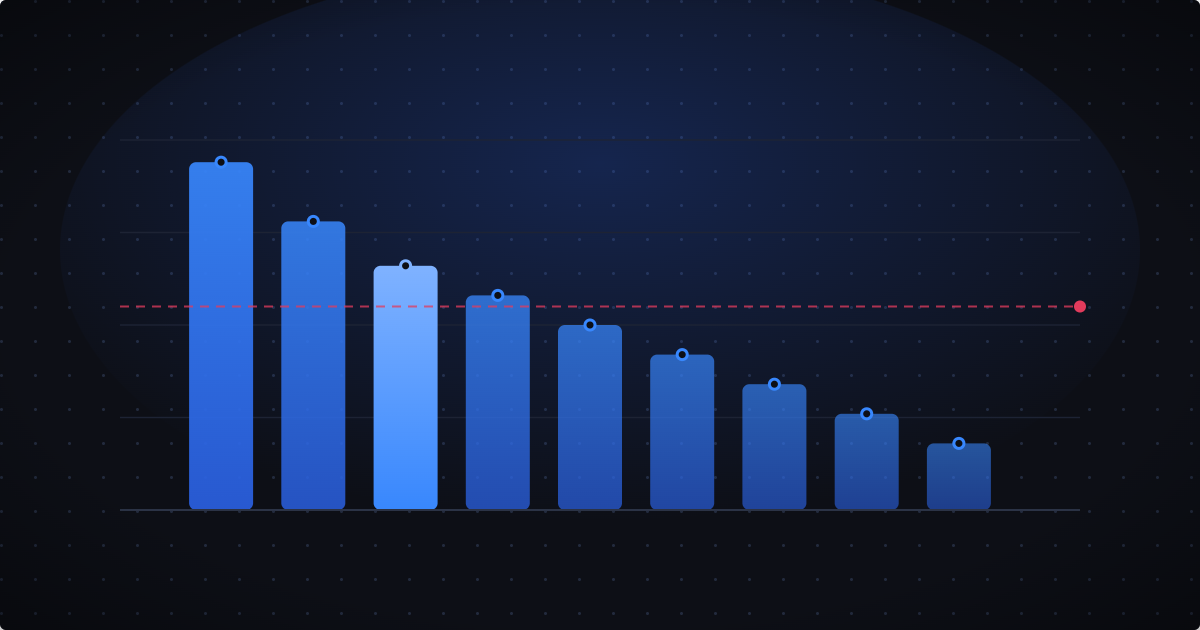
AI/ML Services Diverge Across Platforms Azure OpenAI's time-to-first-token reaches 180ms, beating Google Cloud Vertex AI at 210ms and AWS Bedrock at 245ms. However, total response completion favors Google Cloud's Gemini efficiency.
Analysis
Google Cloud's 82% growth rate signals a structural shift in cloud infrastructure spending. While AWS retains market share leadership at ~31%, Azure at ~24%, and Google Cloud at ~10%, the velocity favors GCP. The culprit: enterprises are funneling incremental AI/ML spending to Google Cloud, where Gemini, TPUs, and BigQuery offer specialized advantages for large-scale training and inference.
All three hyperscalers report being compute-constrained—a first-world problem that reflects genuine AI infrastructure scarcity. GPU pricing reflects this squeeze: costs are not declining despite rising manufacturing volumes. Organizations pursuing AI at scale face 8-12 week wait times for H100 capacity across all vendors.
The emergence of alternatives (Oracle, DigitalOcean, Lambda Labs) matters only at the margins. Cost-sensitive startups and edge cases adopt alternatives; enterprises remain locked into the Big Three's ecosystems.
What to Watch
- AWS Q2 Earnings (expected late July): Market watching for acceleration signals in AWS's AI service adoption
- Microsoft Azure Q2 Earnings: Critical to assess OpenAI licensing revenue impact and Azure's share of enterprise generative AI spending
- GPU Availability Recovery: Supply chain bottlenecks easing in Q3 2026 could shift pricing dynamics and reduce vendor lock-in pressure
- Multi-Cloud Optimization Tools: Wave of cost management platforms targeting AWS/Azure/GCP hybrid deployments
Note: Data reflects market reports and analysis published between July 17–24, 2026. Pricing and growth figures are as reported by vendors and third-party analysts on those dates. GPU pricing is particularly volatile; enterprises should verify current rates directly with providers.
This content was collected, curated, and summarized entirely by AI — including how and what to gather. It may contain inaccuracies. Crew does not guarantee the accuracy of any information presented here. Always verify facts on your own before acting on them. Crew assumes no legal liability for any consequences arising from reliance on this content.
Powered by
