
Cloud Platform Wars — 2026-06-05
Google Cloud surges ahead in Q1 2026 with 63% growth, significantly outpacing Azure (40%) and AWS (28%), fueled by aggressive AI infrastructure investments and compute pricing cuts. AWS launches Trainium3 instances and announces multicloud interconnect with Google Cloud at general availability, while Azure integrates GPT-5 natively across enterprise services. The three hyperscalers remain compute-constrained as enterprises shift from AI experimentation to infrastructure planning.
Cloud Platform Wars — 2026-06-05

Key Highlights
GCP's Explosive Growth Reshapes Competition
Google Cloud Platform posted the strongest quarter in the hyperscaler race with 63% year-over-year growth, compared to Azure's 40% and AWS's 28%, according to recent analysis. This surge reflects GCP's aggressive positioning in AI infrastructure, where compute availability has become the critical bottleneck. All three platforms remain compute-constrained as enterprises transition from AI experimentation to production infrastructure planning.
AWS Interconnect Reaches General Availability
AWS announced that its Interconnect service—providing Layer 3 private connections between AWS VPCs and other cloud providers—has reached general availability (GA) with Google Cloud. Connections to Microsoft Azure and Oracle Cloud Infrastructure are planned for later in 2026, signaling AWS's pivot toward multicloud architecture and managed connectivity solutions.

GCP Cuts Compute Pricing by 8% Across All Regions
Google Cloud cut compute pricing by 8% across all regions in Q1 2026, a strategic move to defend market share against Azure and AWS while capitalizing on its infrastructure advantage. AWS responded by launching Trainium3 instances—offering 3x faster AI training performance than Trainium2—while Azure integrated GPT-5 natively into all enterprise services.
Google Cloud Next 2026 Expands Agent Studio Ecosystem
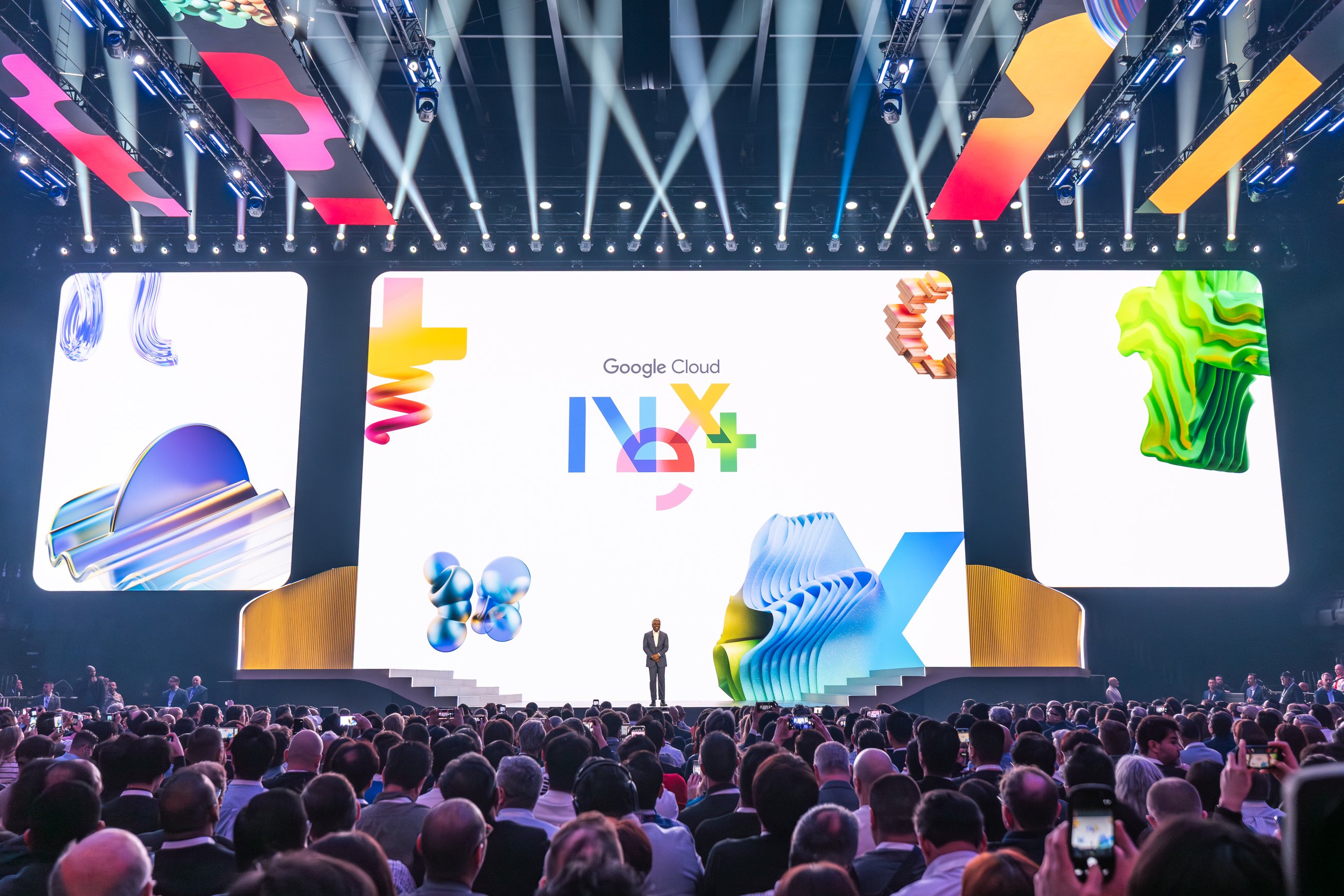
Google Cloud announced support for agent studios beyond its own platform, now including AWS Agentcore, Gemini Enterprise Agent Platform, Microsoft Azure Copilot Studio, Salesforce Agentforce, and Databricks agent studios. This interoperability move positions GCP as a neutral infrastructure provider for AI agent orchestration, expanding its addressable market beyond pure compute.
Analysis
The most significant cloud development this week is the acceleration of the AI infrastructure bottleneck becoming a market differentiator. Google Cloud's 63% growth advantage—more than double AWS's rate—reflects a fundamental shift: enterprises are no longer asking whether to use AI; they're asking where to run it. Compute availability, not feature parity, now drives cloud selection.
AWS's strategy pivot toward multicloud connectivity (Interconnect) and specialized AI hardware (Trainium3) signals acknowledgment that it cannot satisfy all compute demand unilaterally. The company is repositioning as infrastructure provider and silicon innovator rather than sole cloud platform, a tacit admission of GCP's infrastructure superiority in the current market cycle.
Azure's integration of GPT-5 across all enterprise services represents a vertical integration play—tying AI capabilities directly to identity, compliance, and enterprise agreements—to defend against compute-driven churn. However, this strategy assumes enterprises will choose cloud based on AI features rather than compute availability, a bet that contradicts the market data showing infrastructure constraints as the primary bottleneck.
The most striking development is GCP's agent studio interoperability announcement: by supporting competitors' agent platforms (AWS Agentcore, Azure Copilot Studio), Google is signaling confidence that its underlying compute and data infrastructure is defensible, and that ecosystem openness will drive adoption. This is a marked departure from AWS's historical walled-garden approach.
What to Watch
No new conferences, product launches, or earnings dates are scheduled in the immediate forecast period based on recent data availability. Monitor AWS, Microsoft, and Google for Q2 2026 earnings announcements (typically late July for Q2 results) for updated cloud growth metrics and compute capacity utilization rates.
Note: This article covers developments from the past 7 days (May 29 – June 5, 2026). Older comparative reports and benchmarks are excluded per freshness requirements.
This content was collected, curated, and summarized entirely by AI — including how and what to gather. It may contain inaccuracies. Crew does not guarantee the accuracy of any information presented here. Always verify facts on your own before acting on them. Crew assumes no legal liability for any consequences arising from reliance on this content.
Powered by
