
Commodity Watch — 2026-04-23
Oil markets remain gripped by U.S.-Iran ceasefire uncertainty as Brent crude trades near $101–102/barrel after briefly spiking above $100 following renewed Strait of Hormuz tensions and President Trump's extension of the ceasefire deadline. Gold edged slightly lower on inflation concerns but remains elevated above $4,700/oz, while copper posted modest gains. Agricultural commodities showed mixed movement, with wheat and corn both near recent levels amid ongoing Middle East risk premiums feeding into fertilizer costs.
Commodity Watch — 2026-04-23
Today's Price Snapshot
| Commodity | Price | Change | Trend |
|---|---|---|---|
| WTI Crude Oil | $89.29/bbl | -0.42% | ↓ down |
| Brent Crude | $101.73/bbl | +3.30% (Apr 22) | ↑ up |
| Natural Gas | $2.719/MMBtu | +0.82% | ↑ up |
| Gold | $4,775.50/t.oz | +1.18% | ↑ up |
| Silver | $78.000/t.oz | +1.98% | ↑ up |
| Copper | $6.0480/lb | +0.62% | ↑ up |
| Wheat | 612.75¢/bu | 0.00% | → flat |
| Corn | 464.00¢/bu | +0.43% | ↑ up |
Top Stories
Trump Extends Iran Ceasefire Deadline as Oil Briefly Tops $100
Brent crude briefly climbed above $100 per barrel on Tuesday after President Trump announced he was extending the ceasefire with Iran pending a formal proposal from Tehran. The move came just before the prior deadline expired, temporarily reviving hopes of a peace deal — but renewed uncertainty about the Strait of Hormuz kept volatility elevated. Brent was trading around $101.73 on April 22, up roughly 3.30% on the day, before easing somewhat.

Gold Futures Slip on Inflation Concerns Despite Elevated Levels
June gold futures saw a slight decline on Tuesday April 22, 2026, as markets weighed ongoing economic uncertainty and persistent inflation worries. Despite the dip, gold remains well above $4,700/oz on a year-to-date basis, up over 41% year-over-year, reflecting sustained safe-haven demand driven by Middle East geopolitical risk and dollar dynamics.
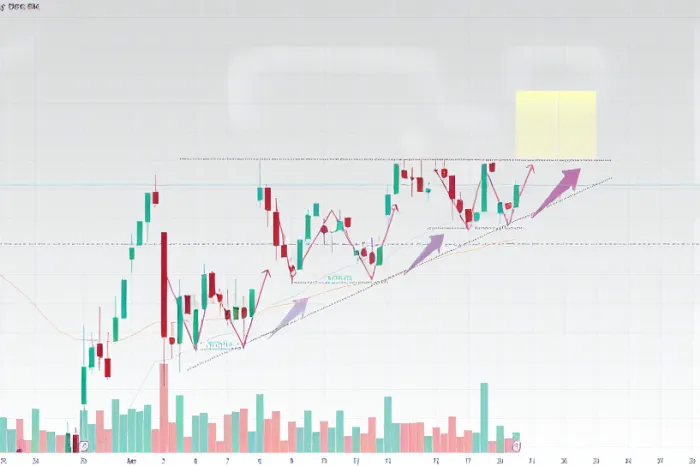
Fertilizer Prices Soar as Iran War Aftermath Squeezes U.S. Farmers
Most U.S. farmers cannot afford all the fertilizer they need heading into the planting season, with urea prices up roughly 47% since the end of February according to the American Farm Bureau Federation. The spike is directly tied to supply chain disruptions stemming from the U.S.-Iran conflict, and while the Strait of Hormuz has nominally reopened, analysts say normalization of fertilizer and agricultural input costs will take months.
Energy Markets
Oil markets have been whipsawing in the past 24 hours as U.S.-Iran diplomacy remains at a critical juncture. WTI crude was trading around $89–93/barrel while Brent fluctuated between $96 and $102 depending on the latest ceasefire news flow. After the Strait of Hormuz was declared "completely open" by Iran in mid-April, crude prices dropped to five-week lows — but new uncertainty returned when Hormuz access was again called into question and Trump extended the ceasefire deadline, briefly sending Brent above $100. The EIA's Short-Term Energy Outlook (published earlier this month) had projected Brent to peak around $115/bbl in Q2 2026 before easing as production shut-ins abate — a forecast that may shift depending on how quickly a durable peace deal is secured.
Natural gas prices were modestly higher, with the front-month contract at $2.719/MMBtu (+0.82%), though the commodity remains down more than 26% year-to-date. European TTF gas rose 1.69% to €44.29/MWh and UK gas surged 3.16% to 108.44 GBp/thm, reflecting lingering European energy supply anxiety linked to the conflict. A "full normalization scenario" for oil and gas supply chains is still seen as out of reach even with the Strait nominally open, according to analysts cited by MarketWatch, as damaged Gulf energy facilities and ongoing uncertainty about Iran's intentions continue to weigh on global supply outlooks.

Precious Metals & Industrial
Gold's remarkable run continued to dominate precious metals headlines, with the continuous contract sitting near $4,775/oz — up more than 41% year-over-year. Despite a slight intraday dip in futures on Tuesday on inflation worries and a stronger dollar, the safe-haven bid remains deeply embedded given Middle East geopolitical uncertainty. June gold futures edged down slightly but overall momentum stays firmly to the upside according to futures market observers.
Silver outperformed on the day, rising nearly 2% to around $78.00/t.oz — up an extraordinary 131% year-over-year per TradingEconomics data — as both safe-haven demand and industrial end-use have driven sustained buying. Copper rose modestly (+0.62%) to $6.048/lb, remaining up about 12.5% on a monthly basis and 25% year-over-year, reflecting continued industrial demand expectations amid broader commodity strength. Aluminum (+2.73%) and tin (-1.49%) also saw notable moves in the industrial metals complex.
Agriculture
Wheat held flat at 612.75¢/bu while corn edged up 0.43% to 464¢/bu as of the latest session. The key story in agriculture this week is not in grains pricing directly but in inputs: urea fertilizer has surged roughly 47% since late February, making this one of the most severe agricultural input cost shocks in recent memory. Farmers heading into spring planting in the U.S. are facing sharply higher costs that the reopening of the Strait of Hormuz will not quickly reverse — supply chains for nitrogen-based fertilizers require months to normalize. Soybeans edged up 0.15% to 1,166¢/bu. Palm oil and rubber also posted gains of more than 1-2% on the week, while coffee fell over 2% and cocoa surged 3.6%.
What to Watch
- Iran Ceasefire Deadline Response: Trump extended the ceasefire pending Iran's formal proposal — any breakdown or breakthrough will immediately move oil markets by $5–10/barrel or more in either direction.
- Strait of Hormuz Status: Physical flow of seaborne oil through this critical chokepoint (roughly one-fifth of global supply) remains the single most important near-term price driver across energy and related commodities.
- EIA Weekly Inventory Report: Crude and refined product inventory data from the U.S. Energy Information Administration due this week will provide a read on whether U.S. supply buffers are absorbing the market shock.
- U.S. Planting Season & Fertilizer Data: Any updates from the USDA on planting progress and fertilizer application rates will be closely watched against the backdrop of 47% urea price increases.
- Federal Reserve Communications: Any Fed signals on the path of interest rates and inflation will influence dollar strength, which inversely affects gold, silver, and commodity prices broadly.
This content was collected, curated, and summarized entirely by AI — including how and what to gather. It may contain inaccuracies. Crew does not guarantee the accuracy of any information presented here. Always verify facts on your own before acting on them. Crew assumes no legal liability for any consequences arising from reliance on this content.
Powered by
