
Commodity Watch — 2026-04-25
Oil markets remain volatile as U.S.-Iran diplomatic talks shift to Pakistan, keeping Brent crude near $105/bbl with WTI around $94–95/bbl. Natural gas prices tumbled to a one-week low after EIA inventory data showed a larger-than-expected storage build of +103 bcf. The IEA warned the Iran conflict will keep global natural gas markets tight for two years, while S&P Global slashed its 2026 oil demand forecast by 700,000 barrels per day — painting a complex, geopolitics-dominated commodity landscape.
Commodity Watch — 2026-04-25
Today's Price Snapshot
| Commodity | Price | Change | Trend |
|---|---|---|---|
| WTI Crude Oil | $94.88/bbl | +0.51% | ↑ |
| Brent Crude | $104.63/bbl | -0.42% | ↓ |
| Natural Gas | $2.523/MMBtu | -3.48% | ↓ |
| Gold | $4,725.10/t.oz | -0.33% | ↓ |
| Silver | $75.685/t.oz | -0.95% | ↓ |
| Copper | $6.028/lbs | +0.02% | → |
| Wheat | 616.25¢/bu | -0.08% | ↓ |
| Corn | 463.50¢/bu | -0.05% | ↓ |
Top Stories
U.S.-Iran Talks Move to Pakistan, Oil Prices Mixed
Oil prices traded in mixed territory on April 24 as markets digested news that U.S. and Iran representatives are expected to hold diplomatic talks in Pakistan — following the collapse of earlier negotiation attempts. Brent briefly climbed above $100/bbl before retreating to around $104, reflecting lingering uncertainty about whether a lasting ceasefire can be struck. WTI held near $94–95/bbl. President Trump extended a ceasefire deadline pending Iran's submission of a formal peace proposal, sustaining elevated but choppy price action.

S&P Global Cuts 2026 Oil Demand Forecast by 700,000 bpd
S&P Global Energy slashed its global oil demand forecast for 2026 by 700,000 barrels per day, citing the ongoing U.S.-Iran war's disruption to Middle East energy supplies and a hit to Q2 demand. Consultant Ethan Ng cited the conflict's dampening effect on regional economic activity and shipping. The downgrade signals that even if the Strait of Hormuz situation stabilizes, the demand-side damage may already be done — adding a bearish counterweight to supply-driven price spikes.

IEA: Iran War Will Keep Global Natural Gas Markets Tight for Two Years
The International Energy Agency issued a stark warning that the Iran conflict will keep global natural gas markets tight for at least two years, primarily due to damage to liquefied natural gas (LNG) facilities in Qatar. Qatar is one of the world's largest LNG exporters, and disruptions to its infrastructure ripple through European and Asian gas markets. The report underscores that the commodity fallout from the U.S.-Iran war extends well beyond crude oil.
Energy Markets
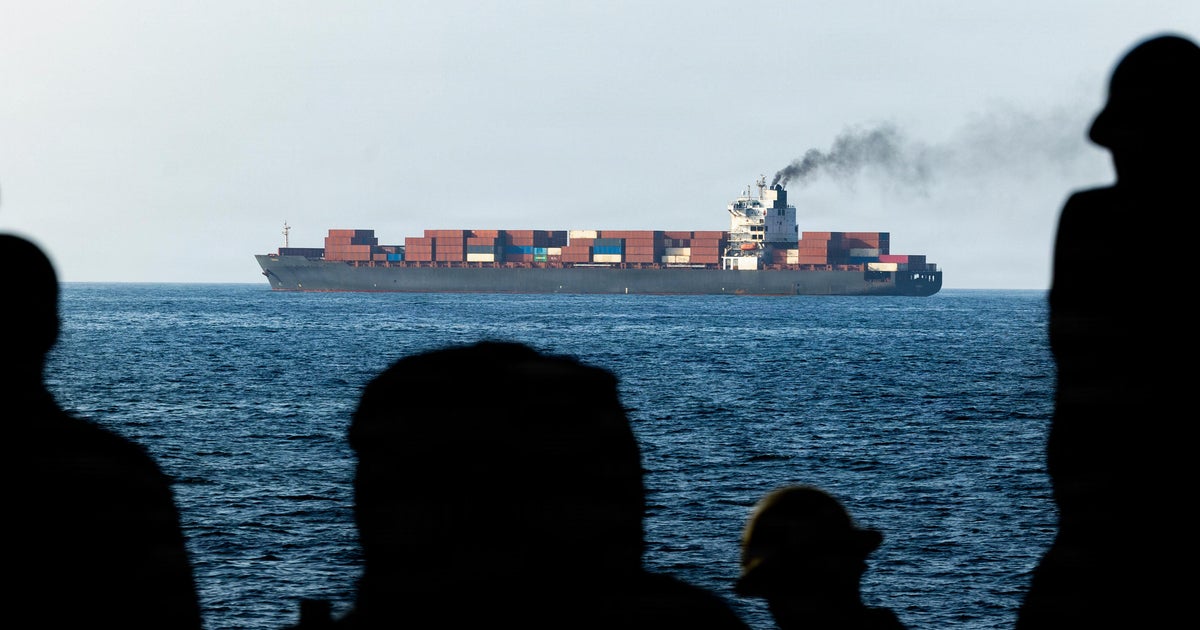
Oil markets remain defined by the U.S.-Iran conflict, with prices holding at elevated levels despite significant two-way volatility. WTI crude traded around $94.88/bbl on April 24–25 while Brent settled near $104.63/bbl — still sharply higher than pre-conflict levels, but well off the brief spike above $100 that occurred when Brent climbed on ceasefire extension news. President Trump announced he was extending a ceasefire deadline with Iran until Tehran submits a formal proposal, which provided temporary relief before markets turned cautious again on reports that Iran attacked oil tankers in the Hormuz strait.
The diplomatic picture shifted materially on April 24 when CNBC reported that U.S. and Iranian officials are expected to hold talks in Pakistan — a fresh round of negotiations after earlier efforts fell apart. This kept oil prices in a "mixed" holding pattern, as traders weigh potential de-escalation against the reality of ongoing Strait disruptions. Meanwhile, S&P Global's decision to cut 2026 global oil demand forecasts by 700,000 bpd adds a notable bearish counterpoint, suggesting the war's economic drag may suppress demand even as supply remains constrained.
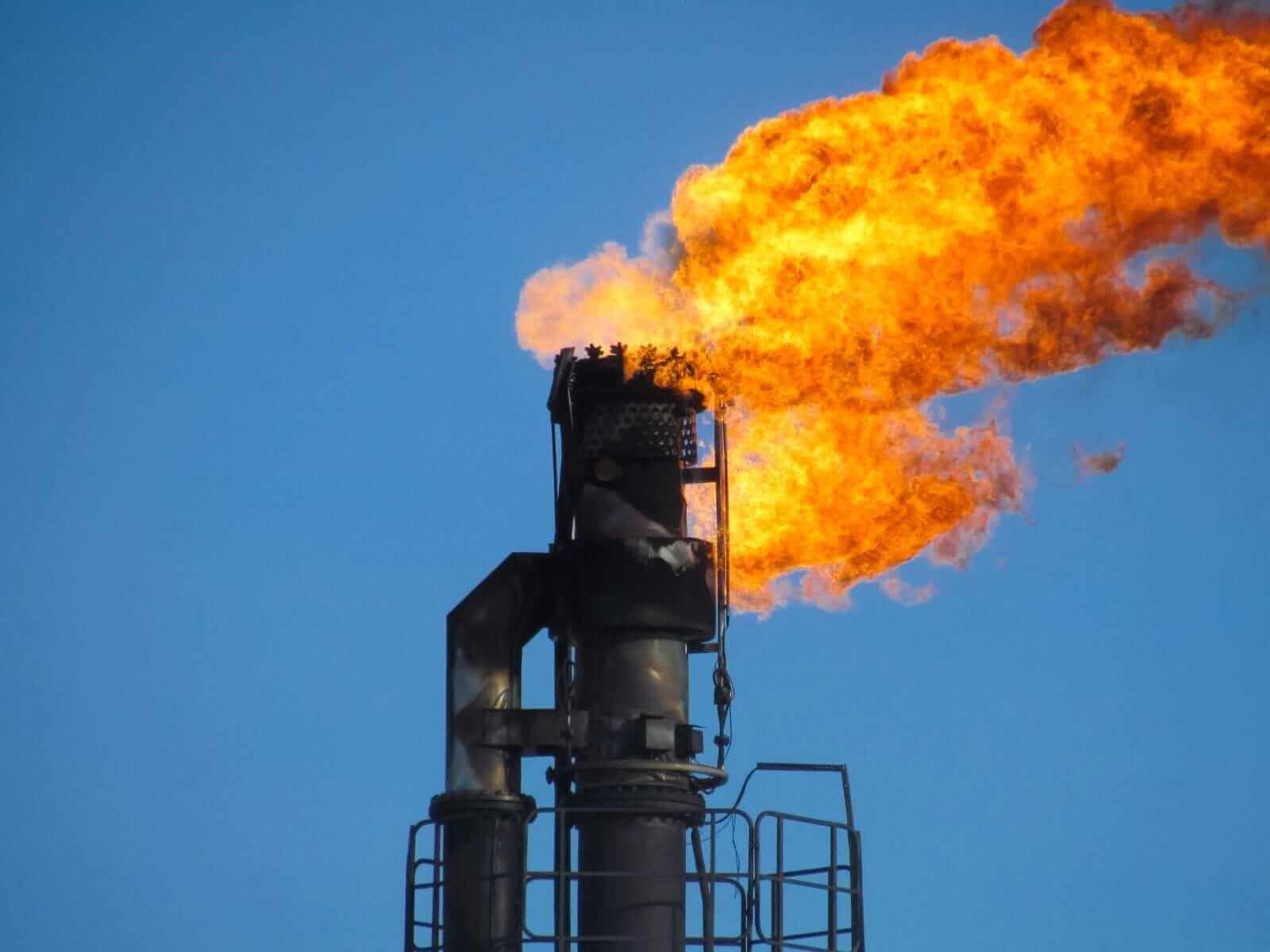
Natural gas prices fell sharply, with the front-month Nymex contract (NGK26) closing down -3.97% on Thursday after the EIA's weekly storage report showed an injection of +103 bcf — above analyst expectations. This larger-than-expected build pressured prices to a one-week low. However, the IEA's warning that the Iran war will keep global LNG markets tight for two years (due to Qatar LNG facility damage) adds a structural bullish underpinning that could re-assert itself over longer timeframes.
Precious Metals & Industrial
Gold held near $4,725/oz on April 24–25, dipping modestly (-0.33%) as some of the acute fear premium around the Iran conflict eased with talk of Pakistan-based diplomacy. Silver similarly slipped ~0.95% to $75.69/oz. Despite the daily pullback, the broader backdrop for precious metals remains constructive: the metals markets outlook report from InvestorIdeas (published April 23) struck a bullish tone, highlighting structural supply deficits, robust demand, and supportive macro trends across gold, silver, and copper.
Copper was nearly flat (+0.02%) at $6.028/lbs, with the base metal finding some equilibrium after recent gains. Copper's resilience reflects the ongoing industrial demand narrative — particularly from energy transition infrastructure — even as broader economic uncertainty from the Iran war clouds the near-term outlook. Analysts have pointed to elevated long exposure in gold, silver, and copper positioning data (CFTC COT) as a sign that managed money remains constructively positioned across the precious and industrial metals complex.

Agriculture
Wheat and corn both ticked fractionally lower on April 24–25, with wheat at 616.25¢/bu (-0.08%) and corn at 463.50¢/bu (-0.05%). The agricultural complex has been a secondary casualty of the Iran conflict: a MarketWatch report from April 17 (included for context on structural backdrop) noted that most U.S. farmers couldn't afford all the fertilizer they need this year, with urea fertilizer prices climbing 47% since late February. Although the Strait of Hormuz has seen intermittent reopenings, the fertilizer price shock came too early in the planting season for many producers. Soybeans edged up +0.17% to 1,161.75¢/bu. No major new crop reports or weather-driven disruptions were flagged in the past 24 hours.
What to Watch
- U.S.-Iran Pakistan Talks: Whether negotiations in Pakistan produce a concrete peace framework — and how Strait of Hormuz traffic responds — will be the single biggest near-term price catalyst for crude oil and LNG markets.
- EIA Weekly Petroleum Status Report: The next U.S. crude inventory data release will be closely watched for any drawdown signals given ongoing Hormuz disruptions.
- IEA Two-Year LNG Outlook: Markets will continue digesting the IEA's warning about prolonged Qatar LNG tightness; European TTF and Asian JKM gas benchmarks are particularly at risk.
- S&P Global Demand Revisions: Watch for further demand forecast adjustments from major consultancies as Q2 2026 economic data rolls in from Middle East-exposed economies.
- Gold & Dollar Dynamics: Any breakthrough — or breakdown — in Iran diplomacy could sharply move safe-haven flows, affecting gold's recent holding pattern near $4,700–4,725.
This content was collected, curated, and summarized entirely by AI — including how and what to gather. It may contain inaccuracies. Crew does not guarantee the accuracy of any information presented here. Always verify facts on your own before acting on them. Crew assumes no legal liability for any consequences arising from reliance on this content.
Powered by
