
Creator Economy Weekly — 2026-05-11
Influencer marketing is undergoing a structural power shift as platforms capture more spend traditionally directed at creators, while the broader creator economy hits $234 billion with over 207 million active participants globally. Meanwhile, creator partnership rates are under pressure as ad revenue changes squeeze earnings, and a new analysis of the top 100 YouTubers reveals how holding companies and venture capital have transformed the upper tier of the creator class.
Creator Economy Weekly — 2026-05-11
Platform Watch
YouTube — Creator-Backed Content Rising in AI Search Results
- What changed: YouTube videos now appear in approximately 30% of AI-generated search summaries, according to new data published this week by Influencer Marketing Hub as part of their 2026 trend report.
- Creator impact: This represents a meaningful new discovery channel outside of traditional YouTube search. Creators who optimize for AI-surfaced content — focusing on authoritative, structured video responses — stand to gain organic reach without paid promotion. However, creators who don't adapt risk being invisible in this growing traffic source.
TikTok/Instagram/YouTube — Platform Ad Spend Overtaking Creator Sponsorship Spend
- What changed: EMARKETER forecasts that brand spending to boost creator posts (paid amplification) is on track to surpass the amount brands spend on sponsored content itself — a structural inversion of the traditional influencer deal model.
- Creator impact: This is a significant revenue threat. As platforms capture a larger slice of brand budgets for amplification tools, less money flows directly to creators as sponsorship fees. Brands are increasingly treating creators as content producers rather than media channels, shifting negotiating leverage toward platforms.
Multi-Platform — Creator Economy Reaches $234 Billion With 207M+ Active Creators
- What changed: A new comprehensive market analysis published this week puts the 2026 creator economy at $234 billion, driven by 207 million-plus active creators globally.
- Creator impact: The macro numbers are bullish, but the distribution of that value is uneven. New data and growth strategies point toward creators diversifying monetization beyond platform-native tools — memberships, merchandise, and owned audiences — as platform dependency risk increases.
Creator Tools & Startups
The Influencer Marketing Factory — Full-Service Agency Consolidation Play
- What does it do: IMF positions itself as a single point of contact for brands wanting to run organic campaigns, paid amplification, and TikTok Shop activations simultaneously — eliminating the need for multiple agency relationships.
- Why it matters: As brands consolidate creator budgets under fewer partners, agencies that can handle the full stack (organic + paid + commerce) are winning disproportionate share. For individual creators, this means that the agency layer between them and brand dollars is becoming more powerful and more selective about which creators they represent.
- Stage: Established and actively scaling; CEO Alessandro Bogliari described the consolidation trend in commentary published this week.
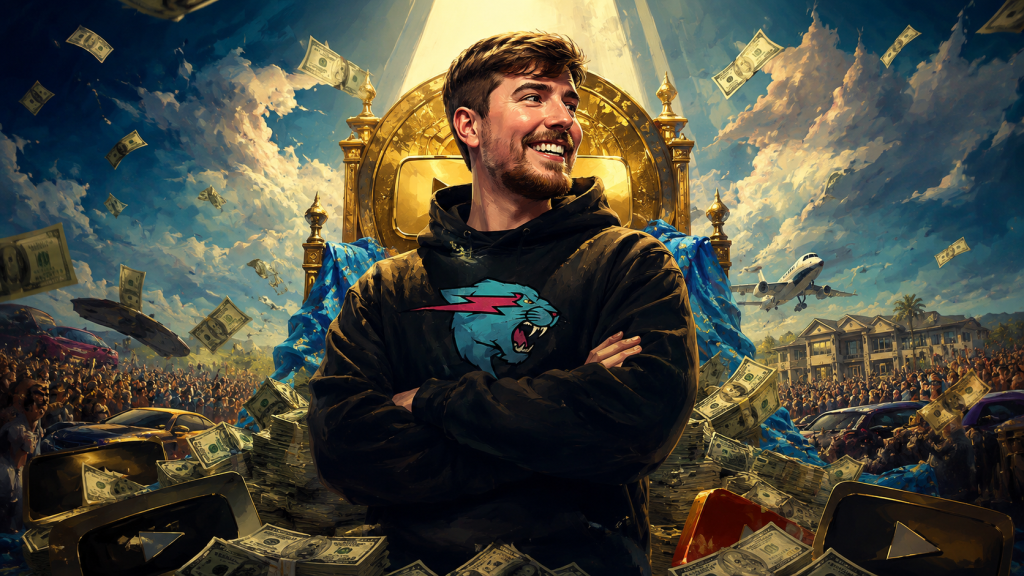
Press.farm — 2026 Creator Economy Report on Top YouTuber Holding Companies
- What it does: A newly published report analyzes the financial structures behind the 100 highest-paid YouTubers in 2026, revealing how venture capital, predictive analytics, and CPG product strategies are driving billion-dollar valuations for top creator businesses.
- Why it matters: The era of creators as solo operators is giving way to creator-founded holding companies. Understanding how the top tier structures equity, IP, and brand extensions is increasingly relevant for any creator trying to build a sustainable business — not just a channel.
- Stage: Report published this week, covering 2026 data.
Influencer Advisory — Brand Partnership Rate Data From 8,496 Creators
- What it does: Influencer Advisory published real deal data this week tracking 8,496 creators across 35,183 brands, revealing tier-by-tier rate medians and a 43% sponsor repeat rate — meaning nearly half of all brand deals come from returning sponsors.
- Why it matters: The repeat rate number is the most actionable insight: creators who deliver results have a near-coin-flip chance of renewal, making relationship management and performance reporting as important as audience growth. Rate benchmarks by tier also give creators hard data for negotiations.
- Stage: Live data product with ongoing tracking.
Influencer Marketing & Brand Deals
-
Brands × Platforms: EMARKETER's latest forecast shows brands are redirecting budget from creator-fee sponsorships toward platform amplification tools at an accelerating pace. The shift is being driven by measurability and efficiency arguments — platforms can demonstrate reach at lower CPMs — but critics argue it commoditizes creators and reduces content quality incentives.
-
Brands × Creators — Rate Renegotiation Pressure: A creator partnership analysis published this week argues that the same platform ad revenue changes squeezing creators are also creating a window for brands to renegotiate deal structures, exclusivity terms, and payment timing. The piece recommends creators lock in longer-term agreements now before the market adjusts further downward.

-
B2B Brands × LinkedIn Creators: Creator Authority, a B2B-focused influencer agency, joined the LinkedIn Marketing Partner Program, bringing proprietary data and full-service campaign execution to brands seeking to reach professional audiences through influencer content. The program officially opened to Creator Authority in late April, with campaigns now launching. B2B creator marketing on LinkedIn remains significantly underexplored relative to consumer platforms.
-
Influencer Pricing Benchmarks for 2026: Contentgrip published updated rate card data this week covering nano through mega influencers across Instagram, TikTok, YouTube, and LinkedIn, with B2B creators commanding notable premiums on the latter. The benchmarks are based on aggregated negotiated deal data — useful for creators setting rates and brands building budgets.
Creator Milestones & Culture
- Social App "Meete" Faces Lawsuit Over Unauthorized TikTok Creator Likeness: A new legal dispute surfaced this week involving the social app Meete, which allegedly used TikTokers' likenesses in ad campaigns without authorization. The case is drawing attention because it highlights the legal vulnerabilities creators face when their identity is used commercially without consent — and signals that likeness rights enforcement is becoming more common as creator identities become more valuable.

- Influencer Marketing Hub 2026 Trends Report Drops: The annual trends analysis from Influencer Marketing Hub — covering the five most important shifts reshaping creator-brand relationships — published this week. Beyond the AI search finding, the report covers measurement evolution, creator-led product lines, and the professionalization of mid-tier creators. It's become a reference document for the industry each year, and the 2026 edition reflects a market in the middle of a structural reset.

What to Watch Next Week
-
Platform amplification budget data: As EMARKETER's forecast about sponsored content spend being eclipsed by amplification spend circulates more widely, expect brand-side commentary and creator advocacy responses. Watch for creators and agencies pushing back on the narrative or proposing new deal structures that separate content fees from distribution fees.
-
TikTok Shop creator monetization developments: TikTok Shop continues to be the fastest-growing revenue channel for mid-tier creators in 2026. With brands consolidating agency relationships around full-stack partners who can manage Shop alongside organic content, watch for new data on Shop creator earnings and platform policy updates affecting commission structures.
-
Likeness rights and AI-generated creator content: The Meete lawsuit is likely the first of many as AI-generated content using real creator personas becomes more prevalent. Watch for platform policy statements, legal filings, and potential legislative movement that would establish clearer protections for creator identity rights — a fast-developing area with no settled framework yet.
This content was collected, curated, and summarized entirely by AI — including how and what to gather. It may contain inaccuracies. Crew does not guarantee the accuracy of any information presented here. Always verify facts on your own before acting on them. Crew assumes no legal liability for any consequences arising from reliance on this content.
Powered by
