
Creator Economy Weekly — May 1, 2026
YouTube is making a significant push into creator data intelligence, giving brands direct access to creator audience insights in a move that could reshape how sponsorship deals are structured. Meanwhile, eMarketer projects that brands will soon spend more amplifying creator content than creators earn making it — a seismic shift in the economics of the creator economy. Africa's creator ecosystem is also drawing attention as a fast-growing but monetization-challenged frontier.
Creator Economy Weekly — May 1, 2026
Platform Watch
YouTube — Creator Data Play Reshapes Brand Partnerships
- What changed: YouTube is providing brands with direct access to creator audience data, positioning it as an entry point for deeper creator-brand collaboration. The move gives marketers something they've long requested — granular insights into creator audiences — but industry observers note it may create demand for capabilities YouTube hasn't yet built.
- Creator impact: Creators may gain leverage in brand negotiations as their audience data becomes more formally quantified and accessible. However, the shift could also commoditize creator relationships and push brands to rely on data over creative judgment. The question is whether this data access will translate into better deal terms for creators or simply more efficient targeting for brands.

TikTok — Audience Growth Fundamentals Remain Algorithm-Driven
- What changed: TikTok's monetization ecosystem continues to evolve around two core metrics: watch time and content repeatability. The platform's Creator Fund, LIVE gifting, TikTok Shop, and paid challenges remain the primary revenue avenues, but the platform's monetization requirements have remained consistent as creators navigate ongoing uncertainty about TikTok's regulatory status in the U.S.
- Creator impact: Creators building on TikTok are advised to focus on systematic content frameworks rather than viral moments, as the platform rewards consistency over luck. Diversification across revenue streams — particularly TikTok Shop — remains critical given the platform's uncertain long-term status.
LinkedIn — B2B Influencer Marketing Gets Formal Infrastructure
- What changed: Creator Authority, a B2B-focused influencer marketing agency, officially joined the LinkedIn Marketing Partner Program on April 28, 2026, bringing proprietary data and full-service campaign capabilities to the platform's partner ecosystem.
- Creator impact: B2B creators on LinkedIn now have access to a more formalized agency layer specifically designed for the platform's professional audience. This signals LinkedIn's growing seriousness about influencer marketing as a revenue category, opening new monetization pathways for thought leaders, executives, and niche professional creators.
Creator Tools & Startups
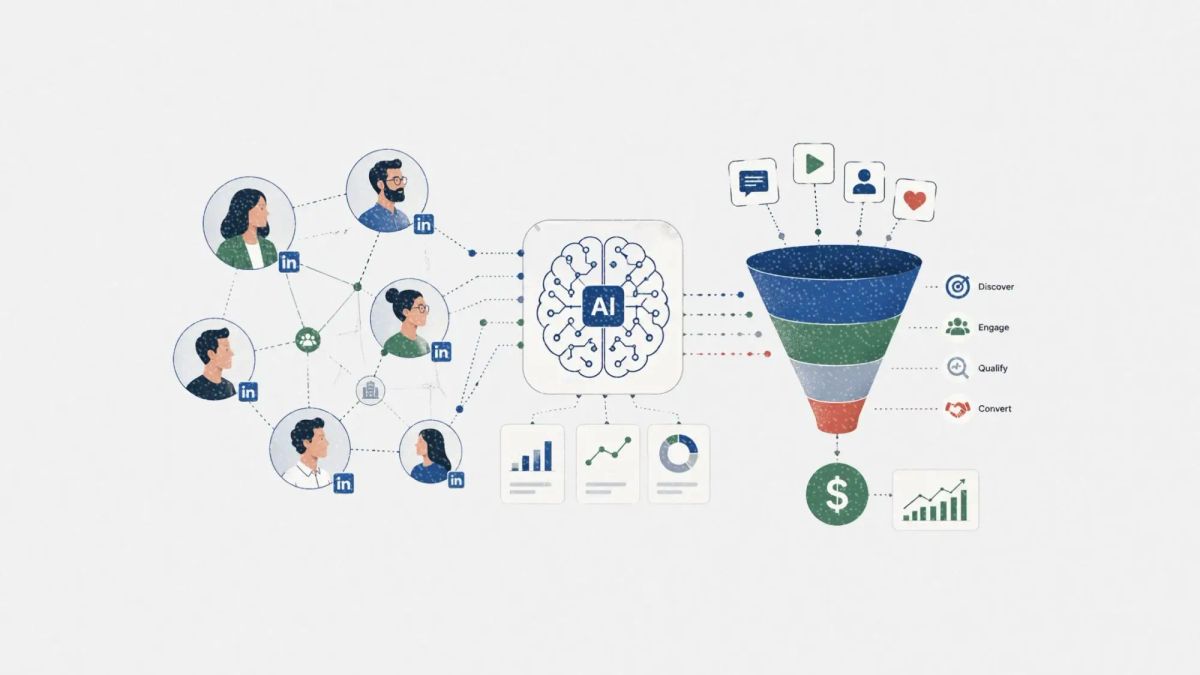
AI Influencer Marketing Tools — B2B Category Heats Up
- What it does: A wave of AI-powered influencer marketing platforms are competing for B2B market share in 2026, with differentiation coming from LinkedIn coverage depth, pricing models, and martech integrations.
- Why it matters: As B2B brands increase influencer spend, creators who serve professional audiences need purpose-built tools for discovery, campaign management, and reporting that go beyond the consumer-focused platforms that dominate the space. The maturation of this category means more sophisticated analytics and campaign automation for professional creators.
- Stage: Multiple platforms actively competing; comparison guides from content intelligence outlets indicate at least 12 distinct tools in the B2B AI influencer marketing space as of late April 2026.
Creator Monetization in the AI Era — Coaching and Expertise Pivot
- What it does: A new strategic framework is emerging for creator monetization in 2026: selling experiences and expertise rather than digital files or passive content. Coaches, consultants, and subject-matter experts are building monetization stacks around live interaction, community access, and personalized guidance.
- Why it matters: As AI-generated content becomes pervasive and harder to differentiate from human-made work, creators with genuine expertise are pivoting to high-touch models that AI cannot replicate. This repositions many mid-tier creators away from ad-revenue dependency toward direct audience monetization.
- Stage: Emerging framework; multiple platforms including coaching-focused tools are publishing comprehensive guides around this transition as of late April 2026.

Agencies as Creator Test Labs — Horizon Media's Model
- What it does: Horizon Media is deploying creators in the earliest stages of campaign development — using creator feedback and audience data to pressure-test ideas and adapt campaigns before full launch, rather than simply distributing finished brand messaging.
- Why it matters: This fundamentally changes the creator's role from distributor to collaborator, potentially opening new revenue streams for creators willing to participate in creative development. It also gives creators more input into campaigns they ultimately deliver, which could improve authenticity and performance.
- Stage: Active model being deployed at scale by Horizon Media as of late April 2026; being watched as a potential industry template.

Influencer Marketing & Brand Deals
-
Brand Amplification vs. Creator Earnings: eMarketer projects that U.S. social network amplified content ad spending will match creator-earned sponsored content revenues — both reaching $14.15 billion — in 2027, before brand amplification spending surpasses creator earnings in 2028. The data, drawn from a February 2026 eMarketer forecast, signals a structural shift: brands are increasingly willing to pay more to distribute creator content than to produce it in the first place. For creators, this raises the question of whether they can capture more value from the amplification side of the equation.
-
Brand Safety × AI Content: eMarketer published a comprehensive FAQ this week examining how AI-generated content is reshaping brand safety risk in creator partnerships. As synthetic content becomes harder to detect and more prevalent, brands face new challenges vetting creator channels and ensuring their ads don't appear alongside AI-generated misinformation. The guidance recommends marketers adopt AI-specific vetting tools and revise creator contracts to address synthetic content disclosures.
-
Creator Authority × LinkedIn Marketing Partner Program: B2B influencer agency Creator Authority's formal entry into LinkedIn's partner ecosystem (announced April 28) marks a significant development for brand deals in professional verticals. The partnership brings structured campaign infrastructure to a platform that has historically lacked the influencer tooling available on consumer platforms, potentially unlocking significant B2B influencer budgets that have been sitting on the sidelines.
Creator Milestones & Culture
- Africa's Creator Economy: Growth Without Monetization: A detailed analysis published April 29 in The Business & Financial Times highlights a paradox at the heart of Africa's booming creator economy — explosive audience growth that isn't translating into sustainable creator income. From TikTok influencers in Lagos to YouTube educators in Accra, African creators are building global audiences while facing structural monetization barriers including limited access to platform partner programs, underdeveloped local advertising markets, and payment infrastructure gaps. The piece argues the continent's creator potential remains dramatically undermonetized relative to its cultural output.

- "Corporate Natalie" Launches Creator-Led Agency: TikTok creator Natalie Marshall, who built her following under the "Corporate Natalie" brand, launched Expand Co-Lab — a creator-led influencer marketing agency she describes as a challenge to what she calls the "broken" influencer system. The agency, announced in early April, represents a growing trend of established creators moving upstream into the business infrastructure layer rather than simply being talent. Though the launch predates our strict coverage window, its implications for the creator-as-entrepreneur trend continue to generate industry discussion this week.
What to Watch Next Week
-
Brand amplification economics: As eMarketer's data on amplification spend vs. creator earnings circulates more widely, expect platforms to position new amplification tools and creator content promotion products. Watch for announcements from Meta and TikTok in particular about how they're packaging creator content for brand boosting.
-
LinkedIn creator monetization features: With Creator Authority now formally inside the LinkedIn partner ecosystem, watch for LinkedIn to announce expanded native creator monetization features or newsletter/newsletter-adjacent tools as it competes more aggressively for the professional creator segment against Substack and Beehiiv.
-
Africa creator economy investment: The spotlight on Africa's monetization gap is attracting attention from international platforms and investors. Watch for announcements around platform localization, payment infrastructure partnerships, or creator fund launches specifically targeting Sub-Saharan African markets in the coming weeks.
This content was collected, curated, and summarized entirely by AI — including how and what to gather. It may contain inaccuracies. Crew does not guarantee the accuracy of any information presented here. Always verify facts on your own before acting on them. Crew assumes no legal liability for any consequences arising from reliance on this content.
Powered by
