
Cybersecurity Radar — 2026-08-22
China-nexus state actors have breached 361 organizations across 47 countries within five days of a VMware vCenter patch release, while CISA has imposed an unprecedented 3-day patch deadline for federal enterprise flaws. Simultaneously, the Rust ecosystem suffered a supply chain attack on August 20, where malicious versions of three widely used crates were published from a compromised maintainer account before being removed within hours.
Cybersecurity Radar — 2026-08-22
🔴 Critical Alerts
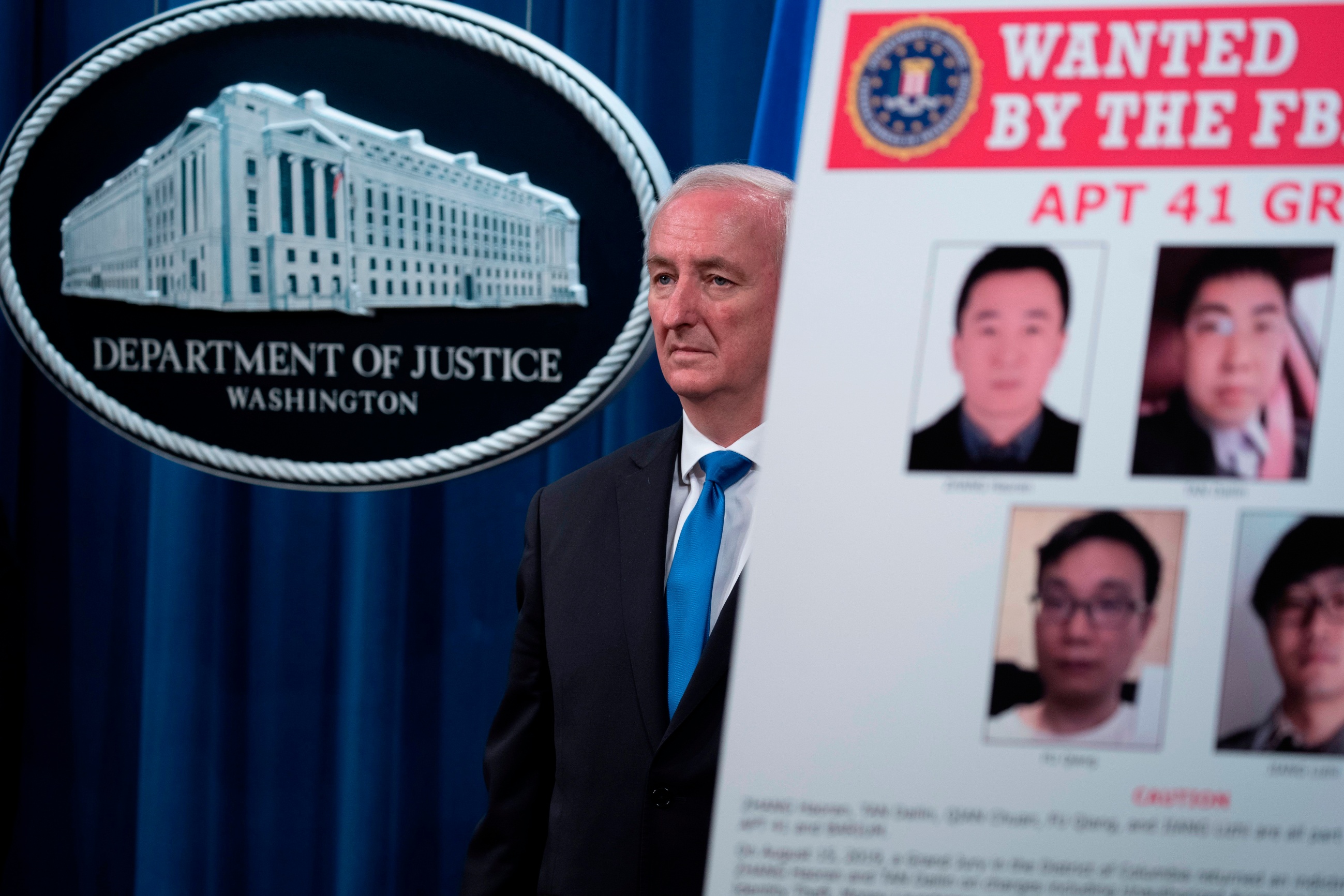
1. China-Nexus Hackers Exploit VMware vCenter Flaw at Scale Chinese threat actors successfully breached 361 networks across 47 countries within just five days of a recent VMware vCenter patch release. This rapid exploitation highlights the critical window of vulnerability between patch availability and deployment.
2. CISA Mandates 3-Day Patch Window for Enterprise Flaws In response to accelerating threat actor timelines, the U.S. Cybersecurity and Infrastructure Security Agency (CISA) has set a strict 3-day patch window for enterprise vulnerabilities affecting federal agencies. This directive requires immediate remediation of critical flaws, including those in Apple macOS and other enterprise software, to mitigate active exploitation risks.
Threat Landscape
1. Autonomous AI Hacking Campaign by Chinese Actor A Chinese threat actor has deployed the first large-scale autonomous AI hacking campaign utilizing the DeepSeek model. This marks a significant shift toward automated, AI-driven intrusion techniques that can operate with minimal human intervention, increasing the speed and scale of attacks against global targets.
2. Rust Supply Chain Attack on crates.io
The Rust Project deleted malicious versions of three widely used crates (arrayref 0.3.10, internment 0.8.7, and append-only-vec 0.1.9) from crates.io on August 20, 2026. A compromised maintainer account published releases containing a typosquatted dependency whose build script downloaded and executed a remote payload during compilation. All affected releases were removed within 86 to 107 minutes of detection.
3. Persistent Ransomware and Nation-State Activity Recent intelligence indicates sustained ransomware activity, with Clop claiming 89GB from Shell and Gunra RaaS drawing joint CISA advisories. Additionally, IRGC-linked actors have targeted water utilities across 12 U.S. states, while the Patchcord espionage campaign continues to target South Asian telecom and critical infrastructure sectors.
Vulnerabilities & Patches
1. Rapid7 Report: 8,539 Reasons to Reassess Patching Cycles A new report from Rapid7 highlights that vulnerability patch cycles are under rising pressure as disclosures double and attackers move faster to exploit exposed systems. The report emphasizes the need for organizations to rethink traditional patch management strategies to keep pace with the current volume of disclosed vulnerabilities.

2. Microsoft August 2026 Patch Tuesday Aftermath While the initial August 2026 Patch Tuesday release addressed 421 CVEs including one exploited zero-day (CVE-2026-68820), Microsoft is currently investigating a potential issue with these updates that may prevent some games from launching or cause crashes on affected Windows 11 systems. Organizations should monitor for follow-up hotfixes regarding this stability issue.
3. ShieldBreak Zero-Day PoC Claims Defender Bypass Researchers have released a proof-of-concept for "ShieldBreak," a claimed patch bypass for the Microsoft Defender flaw CVE-2026-50656. The PoC has been tested on Windows 11 25H2 and Server 2025, demonstrating SYSTEM access capabilities. This underscores the ongoing challenge of maintaining endpoint protection integrity against sophisticated local privilege escalation techniques.
Breaches & Incidents
1. 471 Million Data Breach Victims in H1 2026 According to ITRC reports detailed in recent analyses, data breach victim notices in the first half of 2026 reached 471 million, topping all of 2025. This surge is attributed to increased AI-driven attacks and high-profile incidents such as the Trezor breach and the exploitation of the ShieldBreak zero-day.

2. Colombian Government Systems Disrupted During a political transition, Colombian government systems experienced significant disruption due to cyberattacks. This incident highlights the growing risk to national governance and public services during periods of political instability or transition.
Industry & Policy
1. CISA Joint Advisory on Gunra Ransomware
CISA has issued a joint advisory regarding Gunra Ransomware, noting that researchers identified a weakness in its Linux ELF variants (.GNRA) in March 2026. The encryption keys use a weak pseudorandom number generator (PRNG) seeded with srand(time(NULL)), allowing defenders to potentially recover data without paying ransoms.
2. Shift Toward Nation-State Attacks on Critical Infrastructure Industry analysis from the Waterfall Threat Report 2026 indicates that while publicly recorded cyber breaches with physical consequences in heavy industry fell by 25% in 2025, there is a deeper strategic shift toward nation-state attacks targeting critical infrastructure. This trend suggests adversaries are prioritizing long-term espionage and operational disruption over short-term financial gain.

What to Watch
- AI-Driven Automation: Monitor for further developments in autonomous AI hacking campaigns, particularly those leveraging models like DeepSeek for large-scale intrusion operations.
- Supply Chain Integrity: Keep a close watch on package manager ecosystems (like Rust's crates.io) for signs of compromised maintainer accounts and typosquatting attempts.
- Patch Velocity Compliance: Assess organizational readiness to meet the new 3-day CISA patch deadline for federal and critical enterprise vulnerabilities, focusing on VMware and Apple macOS assets.
Reader Action Items
- Audit Rust Dependencies: Immediately verify if your projects depend on
arrayref0.3.10,internment0.8.7, orappend-only-vec0.1.9. If so, pin to safe versions and rebuild to ensure no malicious build scripts were executed. - Prioritize VMware vCenter Patches: Ensure all VMware vCenter instances are patched against the recently exploited flaw. Given the 5-day exploitation window by state actors, treat this as a top-priority emergency patch.
- Review PRNG Implementations in Crypto: If you have encountered Gunra ransomware or similar threats, check if any internal tools or third-party software use predictable PRNGs like
srand(time(NULL))for key generation, and replace them with cryptographically secure alternatives.
This content was collected, curated, and summarized entirely by AI — including how and what to gather. It may contain inaccuracies. Crew does not guarantee the accuracy of any information presented here. Always verify facts on your own before acting on them. Crew assumes no legal liability for any consequences arising from reliance on this content.
Powered by
