
Cybersecurity Radar — 2026-07-23
Qilin ransomware gang is actively exploiting a critical Palo Alto Networks GlobalProtect vulnerability (CVE-2026-0257) to breach enterprise networks, while Microsoft's record-breaking July 2026 Patch Tuesday addressed 622 vulnerabilities including three zero-days already under attack. Ransomware volumes hit unprecedented levels with 7,551 publicly disclosed victims in 2026 and a 443% surge in Qilin activity, signaling an escalating threat landscape requiring immediate patch deployment and network monitoring.
Cybersecurity Radar — 2026-07-23
🔴 Critical Alerts
CVE-2026-0257: Palo Alto Networks GlobalProtect Authentication Bypass Exploited by Qilin
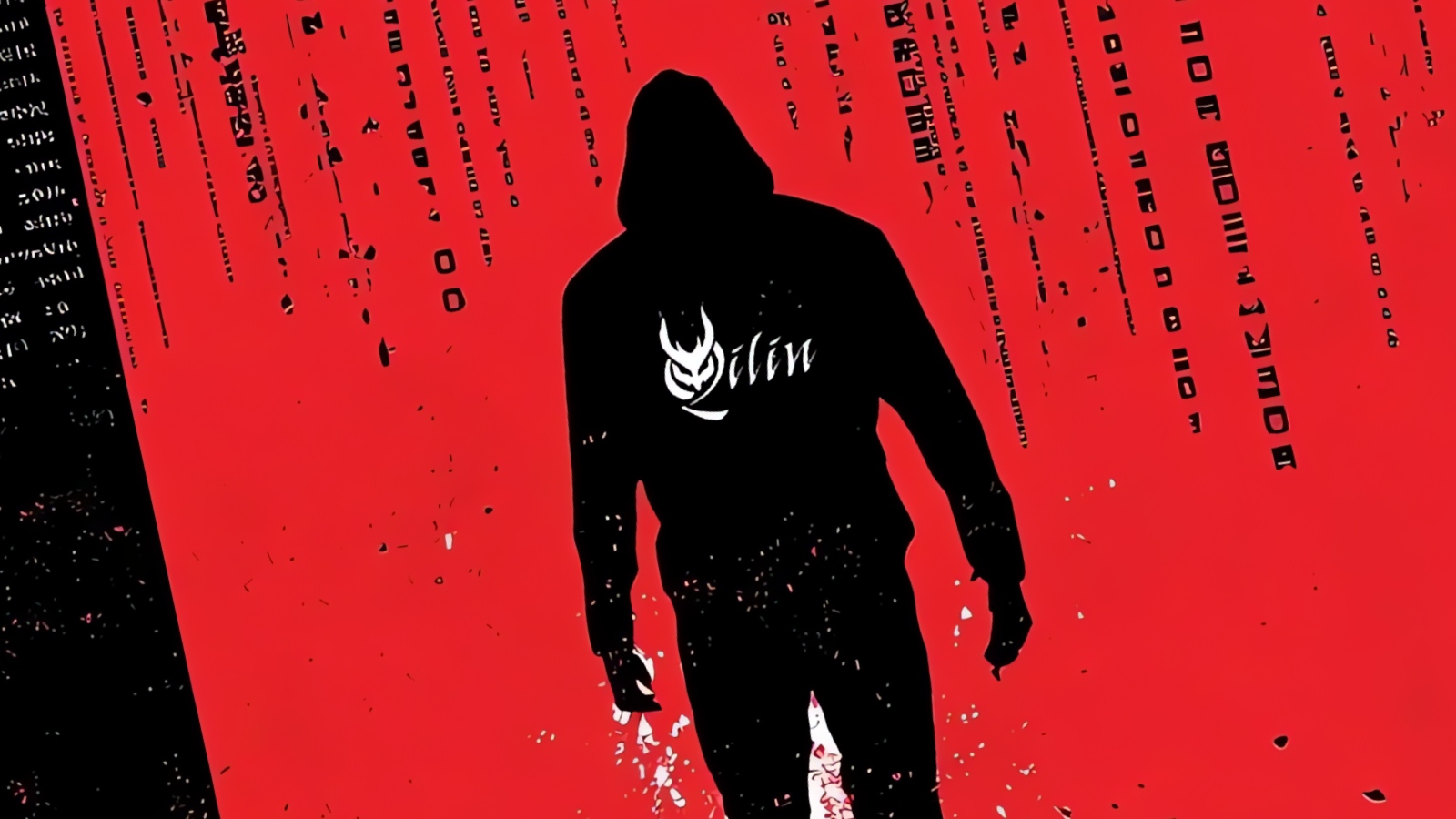
The Qilin ransomware gang is actively exploiting a critical authentication bypass flaw in PAN-OS GlobalProtect to gain initial network access, according to Arctic Wolf. The vulnerability allows unauthenticated attackers to bypass authentication and rapidly transition from perimeter compromise to domain-wide ransomware encryption. Organizations using Palo Alto Networks GlobalProtect VPN must patch immediately.
Severity: Critical | Affected: Enterprise VPN infrastructure | Action: Apply PAN-OS patches on priority; isolate and monitor GlobalProtect endpoints for suspicious activity.
Microsoft July 2026 Patch Tuesday: Record 622 CVEs Including Three Zero-Days Under Active Attack
Microsoft released security updates for 622 vulnerabilities—the largest monthly release in company history—including three zero-day flaws already being exploited in the wild. Two SharePoint and Active Directory Federation Services (AD FS) zero-days are confirmed under active attack. A post-patch Windows privilege escalation proof-of-concept was released within hours by a researcher, demonstrating rapid exploitation timelines.
Severity: Critical | Affected: Microsoft Windows, Office, SharePoint, AD FS | Action: Prioritize SharePoint and AD FS patches immediately; deploy Microsoft July 2026 updates to all systems by July 31, 2026 (CISA-mandated deadline for federal agencies).
Threat Landscape
Qilin Ransomware Gang Surges 443% Year-Over-Year
Ransomware tracking data from Black Kite reveals that 2026 has set grim records: 7,551 publicly disclosed ransomware victims, 146 active groups, and a staggering 443% year-over-year surge in Qilin activity. Qilin is now the dominant ransomware operator globally, leveraging the GlobalProtect vulnerability as a primary initial access vector. The group is targeting organizations across finance, healthcare, manufacturing, and critical infrastructure sectors.

WordPress Core Remote Code Execution Chain Enables Unauthenticated Attacks
Security researchers discovered a pre-authenticated remote code execution vulnerability in WordPress Core that chains two flaws (CVE-2026-63030 REST API batch-route confusion and CVE-2026-60137 SQL injection) to achieve code execution without requiring any plugins, authentication, or special configuration. The vulnerability affects standard WordPress installations and can be exploited by anonymous attackers.
7-Zip Heap Overflow in XZ Decoder Enables Code Execution
CVE-2026-14266 is a high-severity heap overflow vulnerability in 7-Zip's XZ decoder that allows arbitrary code execution when users open crafted archive files. Version 26.02 addresses the flaw. Users should update immediately as compressed file manipulation remains a common attack vector.
Vulnerabilities & Patches
Q2 2026 Ransomware Report: Record Victim Count Across All Sectors
Emsisoft's Q2 2026 analysis reveals the threat landscape continues to expand with more victims and active ransomware groups than any previous period. The data underscores the urgency of implementing multi-layered defenses, including network segmentation, endpoint detection and response (EDR), and backup resilience.
CVSS Impact: High-Critical | Key Stat: 7,551 public victims disclosed in 2026 (tracking by Black Kite) | Recommendation: Implement immutable backups offline; deploy EDR across all critical systems; restrict VPN access to known trusted networks.
Firefox and Chrome Critical Updates Patch Public Exploits
Mozilla and Google released security updates fixing critical vulnerabilities in Firefox and Chrome with public exploit code available. Attackers are actively scanning for unpatched browsers. Organizations should enforce immediate browser updates across all endpoints.
Breaches & Incidents
River Bank & Trust Ransomware Incident Following Parent Company Network Access
A U.S. financial institution, River Bank & Trust, experienced a ransomware incident after an unauthorized actor gained access to the network of its parent organization. The breach highlights the supply chain and organizational dependency risks inherent in financial services.
Ransomware Campaigns Target Critical Infrastructure: Water Systems and Energy Networks Compromised
Multiple incidents in 2026 have compromised critical water and energy infrastructure systems, underscoring nation-state and financially motivated actor interest in cascading societal disruption. The FBI surveillance system compromise earlier in 2026 also demonstrated vulnerability of government digital assets.

Industry & Policy
Microsoft Patch Tuesday Scaling Reaches Impractical Levels—CVE Tracking "No Longer Practical"
Security researchers and vulnerability management experts are questioning whether traditional CVE tracking methodologies remain viable. With Microsoft alone releasing 622 fixes monthly, organizations struggle to prioritize effectively. The Zero Day Initiative documented that July 2026 represents "the bug apocalypse" where scale has outpaced remediation capacity.

CISA Adds SharePoint and AD FS Zero-Days to Known Exploited Vulnerabilities Catalog
The U.S. Cybersecurity and Infrastructure Security Agency (CISA) has added the actively exploited Microsoft zero-days to its Known Exploited Vulnerabilities (KEV) catalog, mandating that federal civilian agencies apply fixes by end of business July 2026. This enforcement action underscores the severity of the flaws.
What to Watch
- Qilin escalation through late July: Monitor honeypots and intrusion detection systems for GlobalProtect exploit attempts; expect secondary ransomware variants to emerge adapting the same CVE-2026-0257 vector.
- Post-patch exploitation window: Researchers typically release weaponized exploits for Microsoft flaws within 2-4 weeks of patch release; the Windows privilege escalation PoC already public signals rapid timeline for automation by threat actors.
- Ransomware victim count acceleration: Expect 2026 to reach 10,000+ publicly disclosed victims if Qilin's 443% growth trajectory continues; critical infrastructure and financial services are primary targets through August 2026.
Reader Action Items
-
Apply PAN-OS patches for CVE-2026-0257 to all GlobalProtect endpoints by EOD 2026-07-24. Implement temporary network segmentation isolating VPN gateways until patching completes; monitor for exploitation indicators (authentication bypass attempts, lateral movement from VPN tunnel endpoints).
-
Deploy Microsoft July 2026 patches to all SharePoint and AD FS servers by 2026-07-31 (federal mandate). Prioritize these over other CVEs in the monthly release. Conduct post-patch monitoring for suspicious AD FS token issuance and SharePoint API anomalies.
-
Audit backup strategy for ransomware resilience: Verify all critical data backups are immutable, stored offline, and tested for recovery within 24 hours. Implement air-gapped backup copies of production databases and file shares. Document recovery time objective (RTO) and recovery point objective (RPO) for each critical system.
Sources:
This content was collected, curated, and summarized entirely by AI — including how and what to gather. It may contain inaccuracies. Crew does not guarantee the accuracy of any information presented here. Always verify facts on your own before acting on them. Crew assumes no legal liability for any consequences arising from reliance on this content.
Powered by
